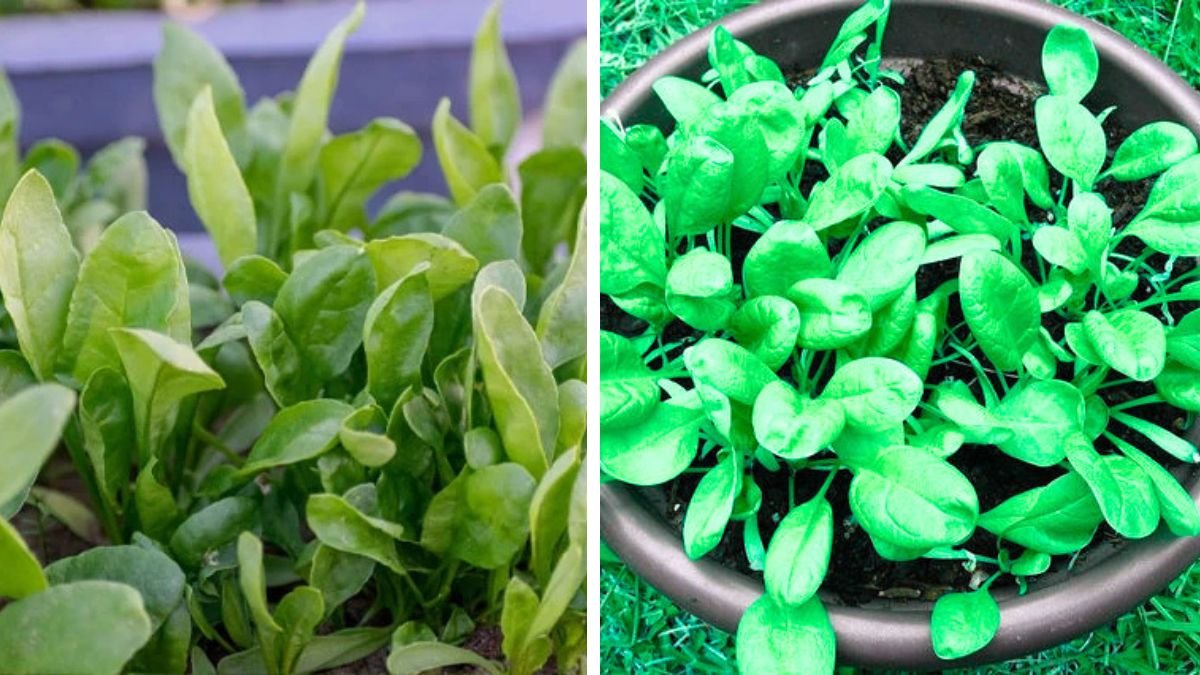
Growing spinach at home is not just a rewarding experience but also a gateway to enjoying fresh, nutrient-rich greens right from your garden. Spinach (Spinacia oleracea) is a leafy green vegetable known for its health benefits, including high levels of vitamins A, C, and K, along with iron and antioxidants. This guide will take you through everything you need to know about growing spinach, from selecting the right variety to harvesting and maintaining your plants.
1. Understanding Spinach Varieties
Before you start planting, it’s essential to choose the right variety of spinach. There are three main types:
Latest Posts
- How to Use Invisible Wire for a Stunning Climbing Plant Wall
- Are Your Garden Tools Making Your Plants Sick?
- How to Style a Small Studio with Columnar Cacti
- Why Is My Zucchini Shaped Like a Lightbulb?
- How to Protect Your Fruit From Birds Without Nets
- How to Keep Squirrels Away from Your Fruit Trees
- How to Protect Your Fruit from Birds Without Nets
- Why Biochar Is a Game-Changer for Your Kitchen Garden
- Why Some Rare Cacti Bloom Only One Night a Year
- How to Grow Rare Blue Strawberries at Home
1.1 Savoy Spinach
Savoy spinach has crinkly, dark green leaves. It is popular for its flavor and texture and is often used in salads and cooking. It thrives in cooler temperatures and is resistant to bolting.
1.2 Flat or Smooth-Leaf Spinach
This type has smooth, broad leaves and is commonly found in supermarkets. It is easier to clean and is ideal for canning or freezing.
1.3 Semi-Savoy Spinach
A hybrid between savoy and flat-leaf varieties, semi-savoy spinach has curly leaves but is easier to wash than fully savoy types. It’s a great all-rounder.
Choosing a variety that suits your needs and local climate will make your gardening experience more enjoyable.
2. Best Time to Plant Spinach
Spinach prefers cooler weather, making it an ideal spring or fall crop in most regions.
-
Spring Planting: Sow seeds about 4-6 weeks before the last expected frost. This will give you a chance to harvest before the heat of summer causes bolting.

-
Fall Planting: For a fall harvest, plant seeds about 6-8 weeks before the first expected frost. In mild climates, spinach can be grown throughout the winter with some protection.
3. Preparing the Soil
Spinach thrives in well-draining, fertile soil that is rich in organic matter. Here’s how to prepare your soil:
3.1 Soil Test
Conduct a soil test to check pH and nutrient levels. Spinach prefers a slightly acidic to neutral pH (6.0-7.0).
3.2 Adding Organic Matter
Incorporate plenty of organic compost into your soil. This will improve soil structure, retain moisture, and provide nutrients.
3.3 Tilling
Loosen the soil to a depth of about 12 inches to encourage healthy root growth. Remove any rocks, debris, or weeds.
4. Planting Spinach Seeds
4.1 Seed Depth and Spacing
Plant spinach seeds about ½ inch deep and space them 2-4 inches apart in rows 12-18 inches apart. If you’re using a broadcast method, scatter seeds over the prepared soil and cover lightly.
4.2 Watering
Water the seeds gently after planting. Soil should be kept consistently moist but not soggy. Overwatering can lead to root rot.

5. Caring for Your Spinach Plants
5.1 Watering
Maintain consistent moisture, especially during dry spells. Deep watering encourages deeper roots, making the plants more resilient.
5.2 Fertilizing
Use a balanced, slow-release fertilizer when the plants are about 4-6 inches tall. Avoid over-fertilizing, which can lead to excessive leaf growth and poor flavor.
5.3 Weed Control
Weeds compete for nutrients and water. Regularly check your spinach patch for weeds and remove them by hand or use mulch to suppress weed growth.
5.4 Pest and Disease Management
Common pests include aphids, leaf miners, and snails. Natural remedies like insecticidal soap can help. For diseases, practice crop rotation and ensure good air circulation to reduce the risk.
6. Harvesting Spinach
Spinach can be harvested at various stages:
6.1 Baby Leaves
For baby spinach, harvest when leaves are about 2-3 inches long. Use scissors to snip off the outer leaves at the base, allowing inner leaves to continue growing.
6.2 Mature Leaves
If you’re looking for larger, mature leaves, wait until plants reach about 5-6 inches tall. Cut the outer leaves and leave the inner ones to continue growing.

6.3 Timing
Harvest in the early morning when leaves are crisp and firm. Avoid harvesting during the heat of the day to prevent wilting.
7. Storing Spinach
Fresh spinach can be stored in the refrigerator for about a week. Here are some tips for keeping it fresh:
-
Washing: Rinse leaves thoroughly to remove dirt. Spin dry using a salad spinner or gently pat with a towel.
-
Storage: Store in a breathable bag or container. A paper towel can absorb excess moisture and prolong freshness.
-
Freezing: If you have a large harvest, you can blanch spinach briefly in boiling water, cool it in ice water, and then freeze it in airtight bags.
8. Troubleshooting Common Problems
8.1 Bolting
This occurs when temperatures rise, causing the spinach plant to flower and produce seeds instead of leaves. To manage this, plant in cooler weather and provide shade during unexpected heat.
8.2 Poor Growth
If your plants aren’t growing as expected, check soil quality, moisture levels, and whether they are getting enough sunlight (at least 6 hours a day).
8.3 Pests
Regularly inspect plants for pests, and take action promptly using organic pest control methods.

9. Tips for Year-Round Growing
In climates with mild winters, spinach can be grown year-round.
9.1 Row Covers
Use lightweight row covers to shield young plants from frost and extend the growing season.
9.2 Indoor Growing
Spinach can also be grown indoors in containers. Use a well-draining potting mix and ensure they get adequate light, either from a sunny window or grow lights.
9.3 Succession Planting
To ensure a continuous harvest, practice succession planting by sowing seeds every few weeks throughout the growing season.
10. Conclusion
Growing spinach at home is an accessible and rewarding venture for any gardener, whether you’re a novice or an experienced green thumb. With the right preparations and care, you can enjoy fresh spinach that enhances your meals and contributes to a healthy diet. Armed with the tips and techniques shared in this guide, you’re all set to start your journey into the world of homegrown spinach.
FAQs
1. When is the best time to plant spinach?
The best time to plant spinach is in early spring, about 4-6 weeks before the last frost, or in late summer for a fall harvest.
2. Do I need to thin my spinach plants?
Yes, thinning is recommended to give each plant enough space. Remove the weaker seedlings to allow stronger ones to grow.

3. How often should I water my spinach?
Spinach should be watered consistently, especially during dry periods. Aim to keep the soil moist but avoid overwatering.
4. Can spinach be grown in containers?
Yes, spinach grows well in containers. Ensure the pot has good drainage and use quality potting soil.
5. How can I prevent pests from attacking my spinach?
Regular inspection, maintaining good garden hygiene, and using natural remedies can help keep pests at bay.
6. Is it safe to eat raw spinach?
Yes, raw spinach is safe to eat and is often used in salads. Ensure you wash the leaves thoroughly before consumption.
7. How do I know when to harvest my spinach?
You can start harvesting when leaves are about 2-3 inches for baby spinach or 5-6 inches for mature spinach. Harvest in the early morning for the best quality.
8. What should I do if my spinach bolts?
To prevent bolting, plant in cooler weather. If it happens, you can still collect seeds or use the leaves for cooking before they turn bitter.
Conclusion
Growing spinach is a simple yet fulfilling pursuit that can bring a world of flavor and nutrition to your kitchen. With proper techniques and care, you can become adept at cultivating this versatile green, ensuring a harvest that keeps on giving. Happy gardening!