Introduction
Dracaena plants, originating from Africa and tropical regions, have become increasingly popular as ornamental houseplants and garden additions. Their striking foliage, low maintenance requirements, and air-purifying capabilities make them an appealing choice for many garden enthusiasts. In this article, we will explore the essential tips for growing Dracaena plants that can beautifully enhance your garden decor.
Understanding Dracaena
Latest Posts
- How to Use Invisible Wire for a Stunning Climbing Plant Wall
- Are Your Garden Tools Making Your Plants Sick?
- How to Style a Small Studio with Columnar Cacti
- Why Is My Zucchini Shaped Like a Lightbulb?
- How to Protect Your Fruit From Birds Without Nets
- How to Keep Squirrels Away from Your Fruit Trees
- How to Protect Your Fruit from Birds Without Nets
- Why Biochar Is a Game-Changer for Your Kitchen Garden
- Why Some Rare Cacti Bloom Only One Night a Year
- How to Grow Rare Blue Strawberries at Home
Types of Dracaena
Dracaena features various species, each with unique characteristics. Some popular varieties include:
-
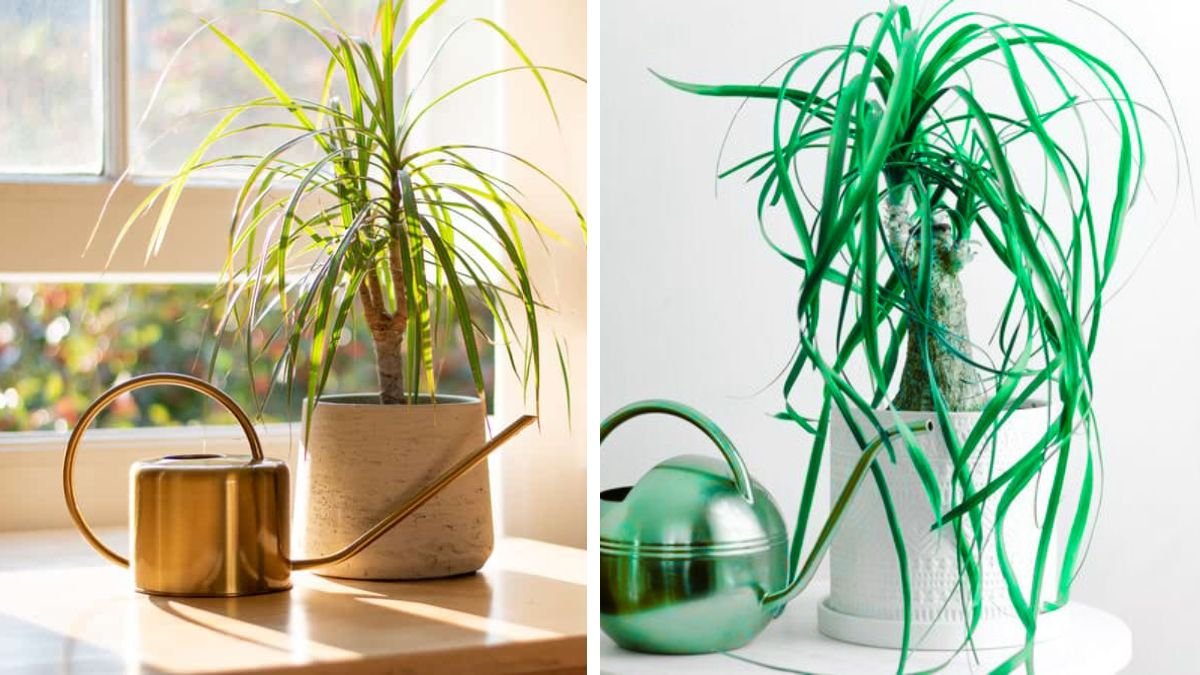
Dracaena Marginata: Known as the dragon tree, it has slender, upright stems topped with thin, spiky leaves. It grows well indoors and outdoors.
-
Dracaena Fragrans (Corn Plant): This variety displays broad, arching leaves with a green tint, often featuring yellow stripes. It is a favorite for homes and offices.
-
Dracaena Compacta: Specifically bred for indoor use, this plant has a compact shape and dark green foliage, making it a stylish choice for smaller spaces.
-
Dracaena Sanderiana (Lucky Bamboo): While not a true bamboo, this plant is popular in Feng Shui. It’s often grown in water rather than soil.

Benefits of Growing Dracaena
-
Aesthetic Appeal: Dracaena’s striking foliage and diverse shapes make a fantastic visual impact in any garden or living space.
-
Air Purification: Studies show that Dracaena can purify the air by absorbing toxins such as formaldehyde, xylene, and trichloroethylene.
-
Low Maintenance: Dracaena plants are resilient, making them ideal for both novice and experienced gardeners. They require minimal care and can thrive in a variety of conditions.
-
Versatility: Whether you want a statement piece for your garden, a decorative indoor plant, or an elegant tabletop addition, Dracaena fits the bill.
Essential Growing Tips for Dracaena
1. Selecting the Right Location
Dracaena plants thrive in bright, indirect sunlight. Direct sunlight can scorch their leaves, while low light can hinder their growth. For outdoor planting, choose a spot that offers dappled shade or partial sunlight, especially during the hottest part of the day. For indoor plants, placing them near a window with filtered light is ideal.
2. Soil Requirements
Healthy, well-draining soil is vital for Dracaena plants. A lightweight potting mix enriched with organic matter, such as peat moss, is optimal. For outdoor gardening, mixing regular garden soil with perlite or sand can improve drainage.

3. Watering Practices
Overwatering is a common mistake when caring for Dracaena plants. Water them thoroughly, allowing excess to drain out, and ensure the potting mix remains slightly moist but never soggy. Monitor your plant’s thirst by checking the top inch of the soil; if it’s dry, it’s time to water again. In winter, reduce watering frequency as the plant enters a dormant phase.
4. Fertilization
During the growing season (spring and summer), fertilize your Dracaena with a balanced, water-soluble fertilizer every four to six weeks. In fall and winter, reduce fertilization, as the plant’s growth slows down.
5. Pruning and Maintenance
Regular pruning helps maintain the plant’s shape and encourages healthy growth. Remove any dead or yellowing leaves at the base. Additionally, you can trim back stems to promote bushier growth. This is particularly beneficial for Dracaena varieties that tend to become leggy over time.
6. Pest Control
Dracaena plants are generally pest-resistant but can occasionally experience infestations from mealybugs, spider mites, and aphids. Inspect your plants regularly. If pests are present, treat them promptly using insecticidal soap or neem oil. Regularly wiping the leaves with a damp cloth also helps prevent issues.
7. Propagation
If you’re looking to grow more Dracaena plants, propagation is easy. You can take cuttings from healthy stems. Let the cuttings dry for a few hours, then place them in a pot filled with moist potting mix. Keep them in a warm, bright location and ensure the soil remains slightly moist.
8. Seasonal Care
Dracaena plants appreciate warmth. During colder months, they may require extra protection from frost and low temperatures. If your area experiences chilly winters, consider bringing potted Dracaena indoors. When planting outdoors, ensure they are not exposed to freezing conditions.

9. Container Selection
If you choose to grow Dracaena in pots, select containers with drainage holes. This helps prevent waterlogging, which can lead to root rot. As the plant grows, repotting may be necessary to provide more space. Look for pots that are only slightly larger than the current one to avoid overwhelming the plant.
Enhancing Your Garden Decor with Dracaena
1. Focal Points in the Landscape
Dracaena’s tall, spiky leaves can serve as eye-catching focal points in your garden. Consider using larger varieties like Dracaena Fragrans in prominent spots, perhaps flanking entryways or on patio corners.
2. Complementary Plantings
Pair Dracaena with other plants that enhance their shape and color. Varieties with contrasting foliage, such as colorful coleus or flowering annuals, create a vibrant display. Dracaena’s tall structure pairs well with lower-growing, bushy plants.
3. Indoor and Outdoor Cohesion
To create a harmonious design, consider replicating your outdoor Dracaena arrangement indoors. This consistency in decor can enhance the overall aesthetic flow between your indoor and outdoor spaces.
4. Vertical Gardens
If space is limited, consider vertical gardening. Dracaena plants can thrive in wall-mounted planters, creating an attractive living green wall. This setup not only conserves space but also adds dimension and intrigue to your decor.
5. Seasonal Themes
Incorporate seasonal decorations around your Dracaena plants to keep your garden decor fresh and seasonal. For example, you can use string lights during the holidays or festive pots during Easter.
6. Create a Tropical Vibe
Dracaena plants lend themselves well to creating a tropical atmosphere in your garden. Combine them with other tropical plants, such as palms or ferns, to achieve that lush, exotic look.
Frequently Asked Questions (FAQs)
Q1: How much sunlight does a Dracaena plant need?
Dracaena plants prefer bright, indirect sunlight. Direct sunlight can scorch their leaves, so it’s best to place them in a partially shaded location or near a window with filtered light.
Q2: How often should I water my Dracaena?
Water your Dracaena when the top inch of soil is dry. In general, this could be once a week or every ten days, depending on the season and environmental conditions.
Q3: Can Dracaena grow outdoors?
Yes, many varieties of Dracaena can grow outdoors in warm, subtropical climates. However, they should be protected from frost and extreme temperatures.
Q4: What type of fertilizer is best for Dracaena?

A balanced, water-soluble fertilizer is recommended during the growing season (spring and summer). Avoid fertilizing during the fall and winter as the plant enters a dormant phase.
Q5: What should I do if my Dracaena leaves turn yellow?
Yellowing leaves can indicate overwatering, underwatering, or insufficient light. Check the soil moisture and adjust your care accordingly.
Q6: How can I propagate Dracaena?
You can propagate Dracaena by taking healthy stem cuttings and rooting them in moist potting mix. Keep the cuttings in a warm, well-lit location until roots develop.
Q7: Are Dracaena plants toxic to pets?
Yes, Dracaena plants are considered toxic to cats and dogs, potentially causing vomiting and other gastrointestinal issues if ingested. Keep them out of reach of curious pets.
Conclusion
With the right care and consideration, Dracaena plants can enhance your garden decor, providing beauty and function through their air-purifying capabilities. By following the tips outlined in this article, you’ll be well on your way to growing healthy Dracaena plants that will not only elevate the aesthetic of your garden or indoor space but also foster a healthier environment. Embrace the charm of Dracaena and let it flourish in your home!