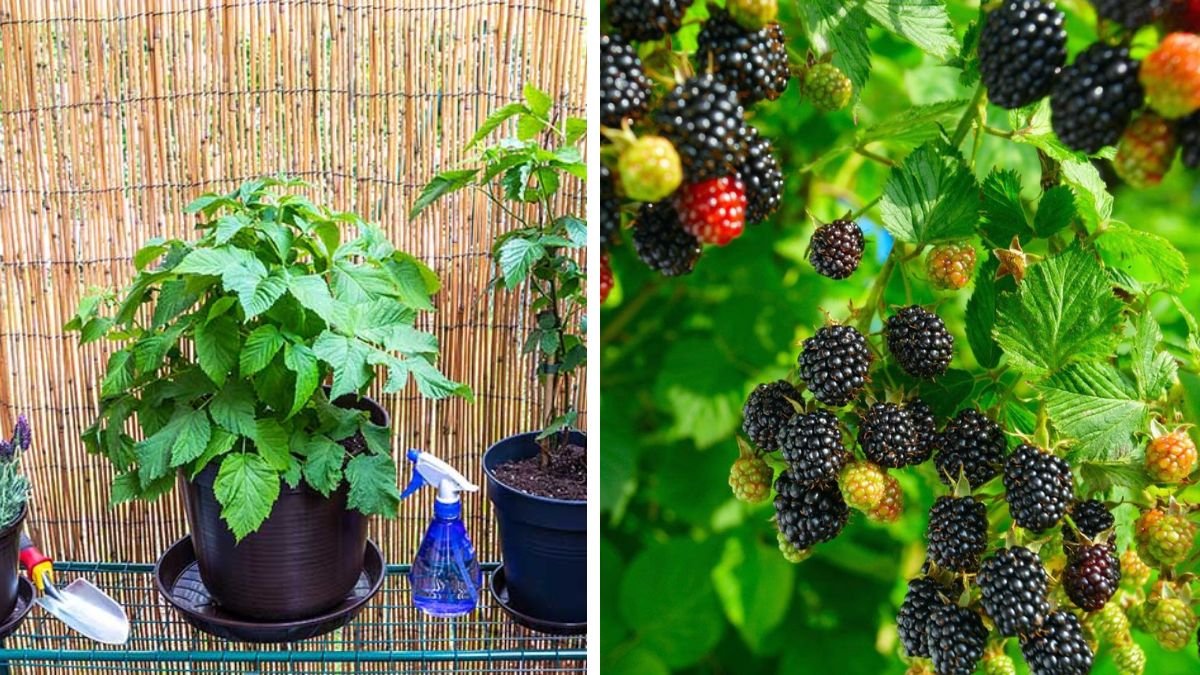
Growing blackberries in pots can be a rewarding experience for both novice and seasoned gardeners. They offer a delicious harvest, are relatively easy to care for, and can be grown in various climates. With the right techniques, you can ensure that your potted blackberry plants yield a bountiful crop. This article will guide you through the steps and tips needed to grow blackberries in pots, ensuring maximum yield.
Choosing the Right Variety
Before you start, it’s crucial to choose the right variety of blackberry suited for container gardening. Some varieties are better suited to pots than others:
Latest Posts
- How to Use Invisible Wire for a Stunning Climbing Plant Wall
- Are Your Garden Tools Making Your Plants Sick?
- How to Style a Small Studio with Columnar Cacti
- Why Is My Zucchini Shaped Like a Lightbulb?
- How to Protect Your Fruit From Birds Without Nets
- How to Keep Squirrels Away from Your Fruit Trees
- How to Protect Your Fruit from Birds Without Nets
- Why Biochar Is a Game-Changer for Your Kitchen Garden
- Why Some Rare Cacti Bloom Only One Night a Year
- How to Grow Rare Blue Strawberries at Home
-
Dwarf Varieties: These are specifically bred for container growing. Examples include ‘Bush Blackberry’ and ‘Baby Cakes’, which stay compact and are ideal for pot growth.
-
Erect Varieties: Blackberries like ‘Navaho’ and ‘Ouachita’ have upright growth habits, making them easier to manage in pots.
-
Trailing Varieties: While trailing blackberries can also be grown in pots, they will require more space and support. If you opt for these, ensure your pot is large enough and can sustain the plant’s growth.
Selecting the Right Pot
When growing blackberries in pots, the size and type of pot matter significantly:
-
Pot Size: Opt for a pot that is at least 5 gallons in capacity. Larger pots will allow for deeper roots and more nutrients, leading to better plant health and higher yields.
-
Material: Terracotta, ceramic, or high-quality plastic pots are ideal. Ensure the pot has adequate drainage holes to prevent root rot.
-
Mobility: Consider pots with wheels or lightweight materials for easy maneuverability, as blackberries may require relocation for optimal sunlight or protection from extreme weather.

Soil Preparation
The soil you choose can make or break your blackberry-growing experience. Follow these steps to prepare the perfect growing medium:
-
Well-Draining Mix: Create or buy a soil mix specifically for container gardening. A mix of potting soil, compost, and perlite ensures good drainage while providing nutrients.
-
pH Level: Blackberries prefer slightly acidic soil with a pH ranging from 5.5 to 6.5. You can test the soil pH using home kits available at garden centers and amend it using sulfur or lime as needed.
-
Nutrients: Incorporate slow-release fertilizers into the soil during planting. Choose a balanced fertilizer or one with a higher phosphorus content for healthy fruit production.
Planting Blackberry in Pot
Once you’ve chosen the right variety, pot, and soil, it’s time to plant your blackberries.
-
Timing: The best time to plant blackberries in pots is in the early spring when the risk of frost has passed.
-
Planting Depth: Dig a hole that is deep enough to accommodate the root ball without overcrowding. Typically, you want to place the crown of the plant at soil level.
-
Spacing: If planting multiple plants in one pot, ensure there is enough space (about 2-3 feet apart) for them to grow without competing for nutrients.
-
Watering Immediately: After planting, water the plant thoroughly to help settle the soil around the roots. Ensure the excess water drains out completely.
Watering Techniques
Proper watering is critical for healthy blackberry plants and maximum yields.
-
Consistency: Blackberries need consistent moisture, especially during the growing season. However, avoid overwatering, as soggy soil can lead to root rot.
-
Mulching: Applying a layer of organic mulch, such as wood chips or straw, can help retain moisture and keep the soil temperature stable.
-
Watering Method: Water at the base of the plant rather than overhead to minimize the risk of disease. A soaker hose or drip irrigation system can be beneficial.
-
Monitor Soil Moisture: Regularly check the soil moisture by sticking your finger into the soil. If it feels dry up to your knuckles, it’s time to water.
Sunlight Requirements
Blackberries thrive in full sun, requiring at least 6 to 8 hours of direct sunlight daily.
-
Sun Exposure: Position your pot in a south-facing location where it can receive the most sunlight throughout the day.
-
Rotating the Pot: If you notice uneven growth, consider rotating the pot occasionally. This ensures all sides of the plant receive adequate light.
Pruning for Maximum Yield
Pruning is essential to promote healthy growth and enhance fruit yield.
-
When to Prune: The best time to prune blackberry plants is during their dormant season, typically late winter or early spring.
-
Types of Pruning:
- Tip Pruning: For erect varieties, prune the tips of new growth to encourage branching and a bushier appearance.
- Remove Deadwood: Cut back any dead or diseased canes to allow the plant to focus energy on healthy canes.
-
Training Canes: Use trellises or stakes to support upright varieties. This will not only save space but also improve air circulation, reducing disease risk.

Fertilization Techniques
Regular feeding will help ensure your blackberry plants have the nutrients they require for optimal growth.
-
Fertilizing Schedule: After planting, fertilize every 4-6 weeks using a balanced fertilizer during the growing season, and stop fertilizing in late summer to allow the plant to prepare for dormancy.
-
Organic Options: Consider organic fertilizers, such as fish emulsion or compost tea, which can provide slow-release nutrients without the risk of burning the plants.
Pest and Disease Management
Potted blackberries can be susceptible to various pests and diseases.
-
Common Pests: Watch out for aphids, spider mites, and thrips. They can be managed with organic insecticidal soaps or neem oil.
-
Diseases: Fungal diseases can occur, especially in humid conditions. Ensure good airflow around the plants, avoid overhead watering, and remove any diseased plants or canes promptly.
-
Companion Planting: Consider planting companion plants that deter pests or attract beneficial insects. Marigolds, for example, can repel certain pests.
Harvesting Your Blackberries
Knowing when to harvest your blackberries is key to enjoying the fruit at its best.
-
Ripeness Indicators: Blackberries are ripe when they turn a deep black color and pull away from the plant easily. Avoid picking berries that are still red or shiny.
-
Harvesting Technique: Gently twist and pull the fruit from the plant, ensuring you don’t damage the canes.
-
Avoid Overripe Berries: Overripe berries can attract pests and reduce overall yield, so pick regularly throughout the harvesting season to ensure the best quality and to encourage further fruiting.
Winter Care
Preparing your pots for winter is vital to protect your plants from extreme cold.
-
Move Indoors: In colder climates, consider bringing the pots indoors during winter to a cool but sheltered location away from frost.
-
Mulching: Adding a layer of mulch can help insulate the pot against temperature swings.
-
Monitoring: Periodically check your plants for signs of stress or disease during the winter months.

FAQs
1. How often should I water my potted blackberry plants?
Water your potted blackberries frequently, especially during dry spells. Check the soil moisture regularly; if it feels dry up to your knuckles, it’s time to water.
2. Can I grow blackberries indoors?
Yes, but conditions must be right. Ensure your indoor space has adequate sunlight (at least 6-8 hours), and use grow lights if natural light is insufficient.
3. How many blackberries can I grow in one pot?
It depends on the pot size and variety but typically, you can grow one to two plants in a 5-gallon pot for optimal space and resources.
4. When will my blackberry plants produce fruit?
Generally, blackberry plants will begin to produce fruit in their second year. Erect varieties may yield earlier than trailing ones.
5. How do I beautify my potted blackberry setup?
Consider using decorative pots or adding trellises for an appealing vertical aspect. Incorporating companion plants like marigolds or herbs can also enhance the aesthetic.
By following these simple yet effective techniques, you can grow your own delicious blackberries in pots, reaping the benefits of home gardening while enjoying maximum yield. Happy gardening!