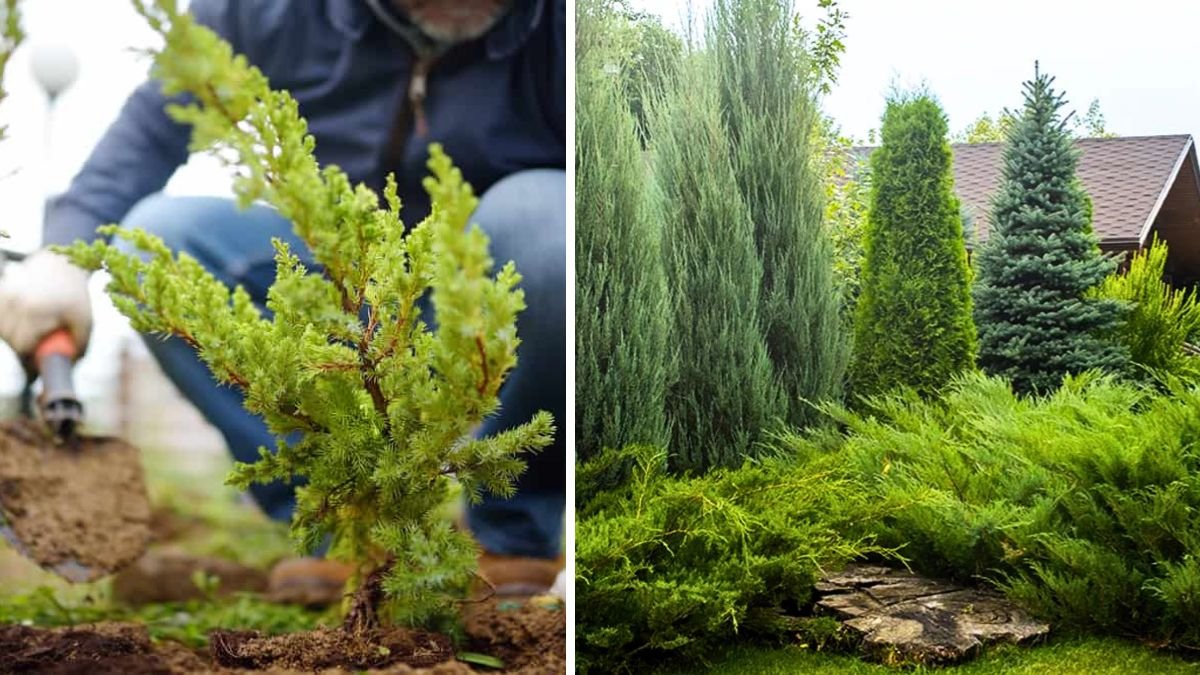
Junipers are evergreen, hardy plants belonging to the cypress family. Known for their versatility and resilience, they can adapt to various growing conditions, making them popular choices for gardeners and homeowners alike. Whether you’re aiming to enhance your home’s aesthetic or create a beautiful outdoor space, junipers offer exciting opportunities. This article will provide a comprehensive guide to growing junipers, different varieties, their care, and creative decoration ideas that incorporate these stunning plants.
Choosing the Right Juniper Variety
Before diving into the growing process, it’s vital to understand the various types of junipers available. Their unique shapes, sizes, and colors can dramatically impact the landscape, both inside and outside your home.
Latest Posts
- How to Use Invisible Wire for a Stunning Climbing Plant Wall
- Are Your Garden Tools Making Your Plants Sick?
- How to Style a Small Studio with Columnar Cacti
- Why Is My Zucchini Shaped Like a Lightbulb?
- How to Protect Your Fruit From Birds Without Nets
- How to Keep Squirrels Away from Your Fruit Trees
- How to Protect Your Fruit from Birds Without Nets
- Why Biochar Is a Game-Changer for Your Kitchen Garden
- Why Some Rare Cacti Bloom Only One Night a Year
- How to Grow Rare Blue Strawberries at Home
-
Common Juniper (Juniperus communis): A hardy variety that can grow up to 10 feet tall but often stays smaller. It features blue-green needles and produces small berries.
-
Shimpaku Juniper (Juniperus chinensis): This variety is renowned for its beautiful twisted branches. It is ideal for bonsai and smaller spaces.
-
Golden Juniper (Juniperus x pfitzeriana): With vibrant golden foliage, this low-growing shrub is perfect for ground cover.
-
Prostrate Juniper (Juniperus horizontalis): Known for its sprawling habit, it’s an excellent choice for cascading over walls or as a ground cover.
-
Skyrocket Juniper (Juniperus scopulorum): A columnar variety that grows tall and narrow, ideal for adding vertical interest to your landscape.
Growing Conditions for Junipers
Junipers are low-maintenance and adaptable, but providing the right growing conditions will yield the best results.

Soil
-
Well-Drained Soil: Junipers thrive in sandy or rocky soils with good drainage. Avoid heavy clay or compacted soils that retain moisture.
-
pH Level: They prefer slightly acidic to neutral pH levels (around 6.0 to 7.0), but they can tolerate alkaline conditions.
-
Nutrient-Rich: While junipers don’t require overly rich soil, adding organic matter can help promote healthy growth.
Light
- Sun Exposure: Junipers thrive in full sun, ideally receiving 6-8 hours of sunlight daily. Some varieties can tolerate partial shade but may not develop their full potential.
Watering
-
Establishment Phase: Newly planted junipers require regular watering until established—typically around 2-3 years.
-
Mature Plants: Once established, junipers are drought-resistant and only need watering during prolonged dry spells.
Temperature and Climate
-
Hardiness Zones: Most junipers are hardy in USDA zones 3 to 9, making them suitable for a wide range of climates.
-
Cold Tolerance: They can withstand harsh winters but may need protection from strong winds.
Planting Junipers
The best time to plant junipers is either in the spring or fall when temperatures are moderate.
-
Choose the Right Location: Select a well-drained area with plenty of sunlight.
-
Digging the Hole: The planting hole should be twice as wide and just as deep as the root ball.
-
Soil Amendments: Amend the soil with compost if necessary to improve drainage and nutrient content.
-
Planting: Place the juniper in the center of the hole, ensuring the top of the root ball is level with the surrounding soil. Backfill with soil and water thoroughly.
-
Mulching: Apply a layer of mulch around the base to retain moisture and suppress weeds, but avoid placing it directly against the trunk.
Care and Maintenance
Junipers are low-maintenance, but proper care ensures their health and beauty.
Pruning
-
Best Time to Prune: The ideal time for pruning is late winter or early spring before new growth begins.
-
Pruning Techniques: Remove dead, damaged, or diseased branches. For shaping, trim back only a small portion of the new growth to maintain the plant’s natural form.
Fertilizing
-
Type of Fertilizer: Use a balanced slow-release fertilizer in early spring to promote growth.
-
Frequency: Fertilize once a year; avoid over-fertilizing as it can lead to excessive growth and weak branches.
Pest and Disease Management
-
Common Pests: Keep an eye out for pests like spider mites and scale insects. Early detection and treatment with insecticidal soap or neem oil can help prevent infestations.
-
Disease Resistance: Junipers are generally resistant to diseases, but overwatering can lead to root rot. Ensure proper drainage at all times.
Creative Decoration Ideas Using Junipers
Junipers make a stunning addition to both indoor and outdoor decoration. Here’s how you can incorporate them into your home design:
Outdoor Decoration Ideas
-
Garden Borders: Plant junipers as a border or edge along pathways and flower beds to create structure and definition.
-
Rock Gardens: Utilize prostrate junipers in rock gardens, where their sprawling habit complements rocky textures.
-
Container Displays: Small varieties can be potted and placed on patios or balconies, adding evergreen interest to your outdoor space.
-
Vertical Gardens: Skyrocket junipers can be used in vertical gardens or as standalone specimens in strategic locations.
-
Wildlife Attraction: Plant junipers to attract birds, as their berries provide food and their dense foliage offers shelter.
Indoor Decoration Ideas
-
Bonsai Display: Shimpaku junipers are popular in bonsai culture. A well-maintained bonsai can serve as a beautiful centerpiece in your home.
-
Terrariums: Incorporate mini junipers into terrariums, providing a natural ambiance, especially in modern homes.
-
Fresh Greenery: Use juniper branches in floral arrangements or wreaths, adding a rustic touch to your indoor decor.
-
Holiday Decor: Junipers can be an excellent choice for holiday decorations, both indoors and outdoors, bringing a fresh scent and vibrant colors.
FAQs
1. How fast do junipers grow?
Junipers typically grow at a moderate rate, averaging about 6 to 12 inches a year, depending on the variety and growing conditions.
2. Can I grow junipers in pots?
Yes, smaller varieties of junipers can thrive in pots, but ensure the container has adequate drainage and water them properly.
3. Do junipers require a lot of water?
Once established, junipers are drought-tolerant and require minimal watering, primarily during dry spells.
4. Are junipers deer-resistant?
Yes, junipers are generally resistant to deer and other herbivores due to their aromatic foliage.
5. Can I use juniper clippings for mulch?
Yes, juniper clippings can be shredded and used as mulch, helping retain moisture and suppress weeds around other plants.
Conclusion
Growing junipers is a rewarding experience that enhances the beauty of any home or garden. Their hardiness, versatility, and stunning foliage make them an excellent choice for various landscape designs. Whether you’re creating a lush garden or adding striking indoor elements, junipers provide an array of options for decoration. With proper care, these evergreen beauties will thrive, bringing joy and elegance to your surroundings for years to come.