Introduction
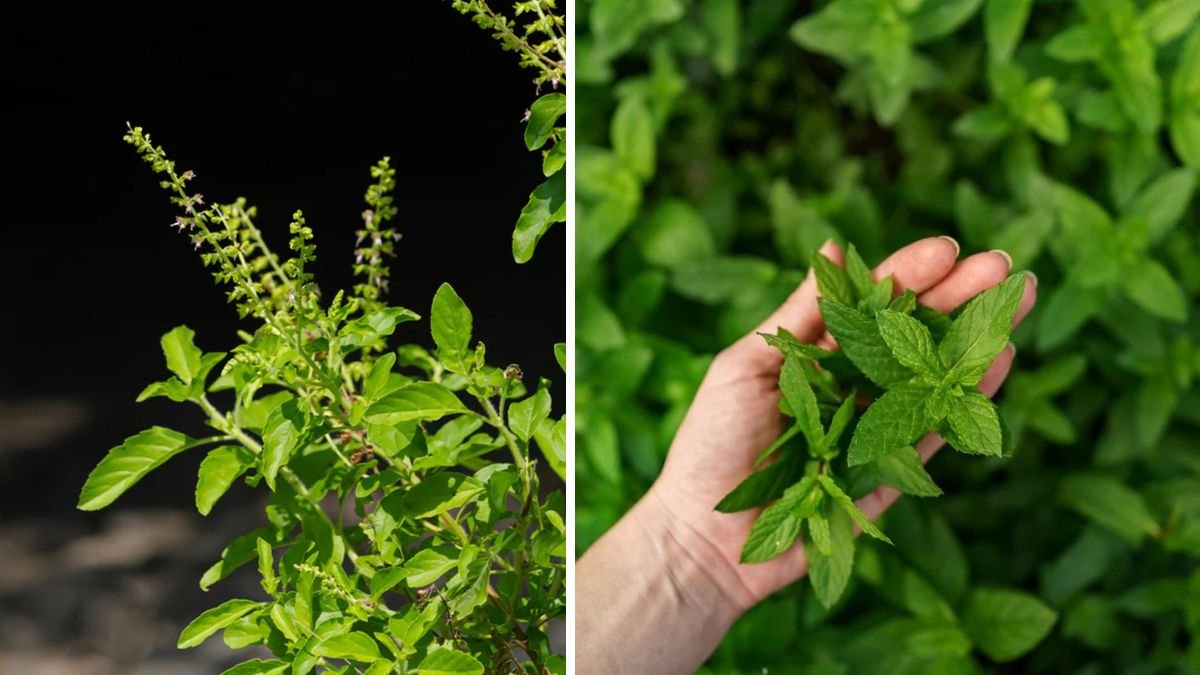
Tulsi, also known as holy basil (Ocimum sanctum), is a revered herb in many cultures, especially in India where it holds tremendous spiritual and medicinal significance. Beyond its cultural importance, Tulsi offers a wealth of health benefits, making it a prized addition to any home garden. It is not only easy to grow but also enhances culinary dishes and can be used in teas and remedies. This article will guide you through the process of cultivating Tulsi at home, exploring its benefits, growing conditions, care tips, and addressing some frequently asked questions.
The Health Benefits of Tulsi
Latest Posts
- How to Use Invisible Wire for a Stunning Climbing Plant Wall
- Are Your Garden Tools Making Your Plants Sick?
- How to Style a Small Studio with Columnar Cacti
- Why Is My Zucchini Shaped Like a Lightbulb?
- How to Protect Your Fruit From Birds Without Nets
- How to Keep Squirrels Away from Your Fruit Trees
- How to Protect Your Fruit from Birds Without Nets
- Why Biochar Is a Game-Changer for Your Kitchen Garden
- Why Some Rare Cacti Bloom Only One Night a Year
- How to Grow Rare Blue Strawberries at Home
Tulsi is celebrated for its multifaceted health benefits. It is rich in antioxidants and has anti-inflammatory, antibacterial, and antifungal properties. Some of the key health benefits include:
- Stress Relief: Tulsi is an adaptogen, which helps the body adapt to stress and promotes mental balance.
- Improved Immunity: Regular consumption of Tulsi can bolster the immune system due to its high vitamin C and zinc content.
- Digestive Health: Tulsi aids in digestion and can help alleviate bloating and discomfort.
- Respiratory Benefits: It is often used in remedies for colds and respiratory issues, acting as a natural expectorant.
- Anti-Diabetic Properties: Some studies suggest that Tulsi can help manage blood sugar levels.
- Skin Health: The anti-inflammatory properties can also benefit the skin, addressing conditions like acne.
Growing Tulsi at home ensures that you have fresh access to this powerhouse herb, allowing you to enjoy its health benefits daily.
Getting Started: Choosing the Right Variety
There are several varieties of Tulsi, each with distinct flavors and uses:

- Rama Tulsi: The most common variety, known for its pleasant aroma and versatile use in cooking and teas.
- Krishna Tulsi: Dark purple leaves with a stronger flavor, often used in medicinal preparations.
- Vana Tulsi: A wild variety known for its intense flavor and fragrance, ideal for teas.
Select a variety based on your culinary preferences and health goals.
Ideal Growing Conditions for Tulsi
1. Location
Tulsi thrives in full sun, requiring at least 6 hours of direct sunlight each day. A south-facing window or an outdoor garden plot is ideal for optimal growth.
2. Soil
The herb prefers well-drained soil enriched with organic matter. You can use potting soil mixed with compost to ensure good drainage and nutrient content. The soil pH should ideally be between 6.0 and 7.0.
3. Watering
Tulsi likes to be kept moist but not waterlogged. Water the plants deeply but infrequently to encourage root growth. Overwatering can lead to root rot, so make sure the pot has drainage holes if you’re using containers.
4. Temperature

Tulsi can tolerate a range of temperatures but flourishes best in warm conditions, ideally between 70°F and 90°F (21°C to 32°C). Protect the plants from frost, as they are not cold-hardy.
Planting Tulsi
1. Starting from Seeds
- Seed Selection: Obtain high-quality Tulsi seeds from a reliable source.
- Seedlings: Start seeds indoors 6-8 weeks before the last frost date or sow them directly outdoors after the frost has passed.
- Sowing: Plant the seeds about ¼ inch deep in moist soil. Space seeds at least 12 inches apart to allow for adequate growth once seedlings sprout.
2. Propagation
If you have an existing Tulsi plant, you can propagate it through cuttings:
- Cut a Stem: Take a healthy cutting of about 4-6 inches from a mature plant.
- Remove Leaves: Strip the lower leaves off the cutting to promote root growth (leave some leaves at the top).
- Rooting: Place the cutting in a glass of water or directly into the soil until roots develop (usually within a couple of weeks).
3. Transplanting
When seedlings are about 3-4 inches tall, they can be transplanted outdoors if they are started indoors. Space them appropriately to allow for air circulation.

Care and Maintenance
1. Fertilization
Fertilize Tulsi plants every 4-6 weeks with a balanced, organic fertilizer. A nitrogen-rich fertilizer will encourage lush growth, while phosphorus can help with flowering.
2. Pruning
Regular pruning encourages bushier growth and prevents the plant from becoming leggy. Pinch off the tips of the stems and remove any flowers that develop, as they can divert energy from leaf production.
3. Pest Control
Common pests include aphids and whiteflies. Introduce beneficial insects like ladybugs, or use neem oil for organic pest control. Monitor your plants regularly for any signs of infestation.
4. Harvesting
Begin harvesting leaves once the plant is about 6-8 inches tall. Pinch or cut leaves as needed, taking care not to remove more than one-third of the plant at a time. Regular harvesting encourages new growth.
Culinary Uses of Tulsi
Once your Tulsi plant is flourishing, you can start using it in your kitchen. Here are a few ways to incorporate this aromatic herb:
- Tulsi Tea: Steep fresh leaves in hot water for a refreshing herbal tea. Add honey or lemon for extra flavor.
- Culinary Dishes: Use it fresh in salads, soups, curries, or as a garnish.
- Smoothies: Blend the leaves into smoothies for added nutrition.
- Pesto: Replace basil with Tulsi for a unique twist on traditional pesto.
Harvesting and Storing
To maintain freshness, always harvest in the morning after the dew has evaporated. You can store fresh Tulsi leaves in the refrigerator for up to a week. For longer storage, consider drying the leaves:
- Drying: Hang the stems upside down in a cool, dark, and dry location for about 1-2 weeks.
- Storage: Once dried, store the leaves in an airtight container away from direct sunlight.
FAQs
1. How often should I water my Tulsi plant?
Water your Tulsi plant when the top inch of soil feels dry. Ensure good drainage and avoid waterlogging to prevent root rot.
2. Can I grow Tulsi indoors?
Yes, Tulsi can be grown indoors, provided it receives enough sunlight. A south-facing window is ideal.
3. What pests should I watch for in my Tulsi plants?
Common pests include aphids, whiteflies, and spider mites. Regular monitoring and organic pest control methods can help keep them at bay.
4. How can I encourage my Tulsi plant to grow bushier?
Regular pruning by pinching off the tips of stems encourages bushier growth and prevents legginess.
5. Is Tulsi safe to consume during pregnancy?
While Tulsi has many health benefits, it’s best to consult a healthcare provider before consuming it during pregnancy or breastfeeding.
6. Can Tulsi be grown year-round?
In warmer climates, Tulsi can be grown year-round. In colder regions, it is best grown as an annual or indoors.
Conclusion
Cultivating Tulsi at home is both rewarding and beneficial for your health. With its captivating aroma and various health benefits, this herb is an asset to any kitchen garden. By providing the right care and conditions, you can enjoy fresh Tulsi leaves whenever you need them. Embrace the journey of growing this holy herb, and relish in its culinary and medicinal applications for a healthier lifestyle. Happy gardening!