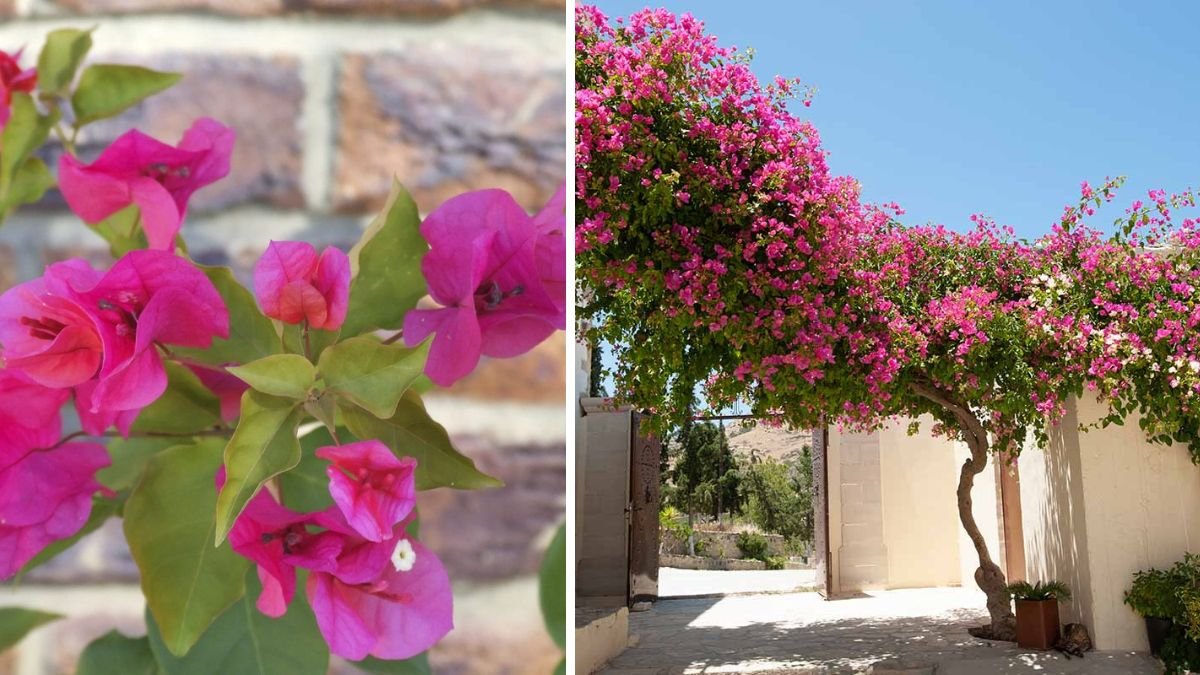
Bougainvillea, known for its vibrant colors and lush foliage, is a popular ornamental plant that can transform any garden into a tropical paradise. The best part is that growing bougainvillea from cuttings is an easy and rewarding process, perfect for gardeners of all skill levels. In this article, we will explore how to propagate bougainvillea successfully from cuttings, including techniques, tips, and common questions you might have.
Understanding Bougainvillea
Before diving into propagation techniques, it’s essential to understand the plant itself. Bougainvillea is a woody, perennial vine that thrives in warm climates. It features thorny stems and colorful bracts that can range from purple, red, and pink to white and orange. The plant prefers well-drained soil and full sunlight, making it a great choice for sunny gardens, patios, and balconies.
Latest Posts
- How to Use Invisible Wire for a Stunning Climbing Plant Wall
- Are Your Garden Tools Making Your Plants Sick?
- How to Style a Small Studio with Columnar Cacti
- Why Is My Zucchini Shaped Like a Lightbulb?
- How to Protect Your Fruit From Birds Without Nets
- How to Keep Squirrels Away from Your Fruit Trees
- How to Protect Your Fruit from Birds Without Nets
- Why Biochar Is a Game-Changer for Your Kitchen Garden
- Why Some Rare Cacti Bloom Only One Night a Year
- How to Grow Rare Blue Strawberries at Home
Why Grow Bougainvillea from Cuttings?
-
Cost-Effective: Purchasing established bougainvillea plants can be expensive. Propagating your own from cuttings saves money and allows you to produce multiple plants for the price of one.
-
Genetic Consistency: Growing bougainvillea from cuttings ensures that the new plants will have the same characteristics as the parent plant, including flower color and growth habit.
-
Fun and Rewarding: Gardening enthusiasts find great satisfaction in propagating plants from cuttings. Watching your cuttings grow into lush plants can be incredibly fulfilling.
Step-by-Step Guide to Propagating Bougainvillea from Cuttings
Now that you understand the benefits, let’s delve into the step-by-step process to successfully grow bougainvillea from cuttings.

1. Timing Matters
The best time to take cuttings of bougainvillea is in spring or early summer when the plant is actively growing. If you live in a warm climate, you can propagate year-round.
2. Gather Your Supplies
To get started, you will need:
- Sharp, clean pruning shears: A clean cut helps prevent disease.
- Potting soil: A well-draining mix is essential.
- Containers: Small pots or trays will work well.
- Rooting hormone: While optional, it can encourage faster root development.
- Plastic bag or a humidity dome: This helps retain moisture during the rooting process.
3. Take Cuttings
- Select a Healthy Parent Plant: Choose a mature bougainvillea plant that is healthy and free from pests and diseases.
- Choose the Right Stems: Look for semi-hardwood stems—these are neither too soft nor too woody. Ideally, they should be 6 to 12 inches long and have at least two or three leaves.
- Make the Cut: Using your shears, make a clean cut just below a leaf node. Remove the lower leaves, leaving only 2-3 leaves at the top.
4. Apply Rooting Hormone (Optional)
If you’re using rooting hormone, dip the cut end of the cutting into the powder. This step can significantly increase your chances of successful rooting.
5. Prepare the Containers
Fill your pots or trays with a well-draining potting mix. You can create a mix by combining equal parts of potting soil, perlite, and sand. Moisten the soil lightly so it’s damp but not soggy.
6. Plant the Cuttings
Make a small hole in the soil with your finger or a pencil, then insert the cut end of the cutting into the hole. Firm the soil gently around the base of the cutting to provide support.
7. Create a Humid Environment
To encourage rooting, you need to maintain high humidity around the cuttings. Cover the pots with a plastic bag or use a humidity dome. Make sure the cover doesn’t touch the leaves—use sticks or stakes to prop it up if necessary.
8. Place in a Bright Location
Place the pots in a warm location with bright, indirect sunlight. Avoid direct sunlight, as it can scorch the cuttings and dry them out.
9. Watering
Check the soil moisture regularly. Keep the soil slightly moist but never soaking wet. Overwatering can lead to rot, while underwatering can dry out the cuttings.

10. Root Development
After 4 to 6 weeks, check for root development. Gently tug on the cuttings; a little resistance indicates that roots are forming.
11. Transplanting
Once the cuttings have developed a healthy root system, they can be transplanted into larger pots or directly into your garden. Gradually acclimate them to outdoor conditions by exposing them to direct sunlight for a few hours each day over a period of a week.
12. Care for Your New Plants
After transplanting, water regularly but allow the soil to dry out between waterings. Fertilize with a balanced fertilizer every 4-6 weeks during the growing season to promote healthy growth and vibrant blooms.
Additional Tips for Success
-
Choosing Varieties: Not all bougainvillea varieties propagate equally well. Some varieties may root more readily than others, so if you’re new to propagation, consider starting with a variety known for its ease of propagation.
-
Avoiding Pests: Keep an eye out for pests like aphids or spider mites, which can affect the health of your cuttings. Regularly inspect your plants and treat any infestations promptly.
-
Spacing: If you’re planting multiple cuttings, give them enough space to grow. This not only prevents competition for nutrients but also ensures good air circulation, minimizing the risk of fungal diseases.
Frequently Asked Questions (FAQs)
1. How long does it take for bougainvillea cuttings to root?
Typically, bougainvillea cuttings will take about 4 to 6 weeks to develop roots, depending on the environmental conditions and care provided.
2. Can I propagate bougainvillea in water?
While bougainvillea can be propagated in water, this method is less reliable. It’s generally better to utilize soil, as it provides necessary nutrients and support for rooting.
3. What’s the ideal soil for bougainvillea cuttings?
A well-draining potting mix is essential for bougainvillea cuttings. A mixture of potting soil, perlite, and sand provides excellent drainage while retaining enough moisture.
4. Should I fertilize my bougainvillea cuttings?
After cuttings have rooted and are growing well (generally after a month or two), you can begin applying a diluted balanced fertilizer every 4-6 weeks during the growing season to promote healthy growth.
5. How often should I water my bougainvillea cuttings?
Maintain slightly moist soil, checking regularly without allowing it to become soggy. Overwatering can lead to root rot, while underwatering can stress the cuttings.
6. Can I grow bougainvillea indoors?
Yes, bougainvillea can be grown indoors if they receive enough sunlight. Place them in a south-facing window or use grow lights to ensure they get the necessary light.
7. What should I do if my cuttings don’t root?
If your cuttings don’t root, ensure they have been kept in a humid environment and that the soil is well-drained. Also, check the cutting material itself; there’s a chance the plant may not have been healthy enough.
8. When is the best time to take bougainvillea cuttings?
The best time to take cuttings is during the spring and early summer when the plant is in its active growth phase.
Conclusion
Propagating bougainvillea from cuttings is a simple and gratifying endeavor that anyone can undertake at home. With just a little patience and the right techniques, you can enjoy a thriving bougainvillea garden in no time. Whether you’re looking to create a beautiful landscape or simply want to enjoy the vibrant colors of this lovely plant, growing bougainvillea from cuttings will undoubtedly be a rewarding experience. So, gather your materials, choose your cuttings, and get started on this exciting gardening project today!