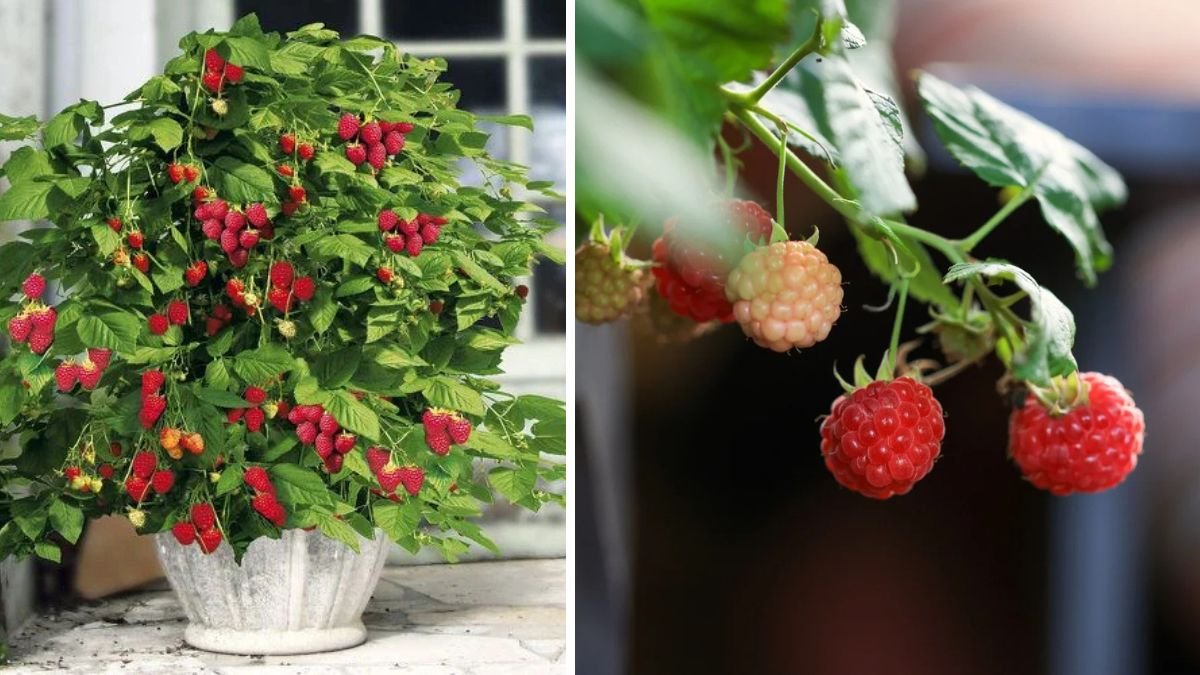
Growing raspberries in containers is a rewarding endeavor that can yield delicious fruits even if you have limited space. Whether you’re an experienced gardener or a complete beginner, this guide will walk you through everything you need to know to cultivate juicy, ripe raspberries on your patio, balcony, or backyard.
Why Grow Raspberries in Containers?
Container gardening is ideal for those with limited garden space. Raspberries can thrive in pots, making them perfect for urban settings or smaller yards. Here are a few reasons why container gardening for raspberries might be your best option:
Latest Posts
- How to Use Invisible Wire for a Stunning Climbing Plant Wall
- Are Your Garden Tools Making Your Plants Sick?
- How to Style a Small Studio with Columnar Cacti
- Why Is My Zucchini Shaped Like a Lightbulb?
- How to Protect Your Fruit From Birds Without Nets
- How to Keep Squirrels Away from Your Fruit Trees
- How to Protect Your Fruit from Birds Without Nets
- Why Biochar Is a Game-Changer for Your Kitchen Garden
- Why Some Rare Cacti Bloom Only One Night a Year
- How to Grow Rare Blue Strawberries at Home
- Space Efficiency: Containers can be placed anywhere, making them suitable for small spaces.
- Soil Control: You can create the ideal soil mix for healthy growth.
- Mobility: Containers can be relocated to optimize sunlight exposure.
- Pest Management: Raising plants in containers can reduce pest problems.
Choosing the Right Container
The success of your raspberry plants begins with selecting the proper container:
- Size: Opt for a container that is at least 18-24 inches in diameter and 12-18 inches deep. Larger containers are preferable for more extensive root systems and better moisture retention.
- Material: Terra cotta, plastic, and wood containers are common. Ensure the material is durable and allows for drainage.
- Drainage: Make sure your container has adequate drainage holes to prevent root rot.
Selecting Raspberry Varieties
When it comes to raspberries, there are two primary types to consider:

- Summer-bearing: Produces one crop in late summer or early fall. They tend to have larger fruits and a more robust flavor.
- Ever-bearing: Produces two crops, one in mid-summer and another in fall. They are typically smaller but offer extended harvests.
Popular varieties include:
- Heritage: A hardy ever-bearing variety with robust flavor.
- Ruby: Summer-bearing, known for its rich taste and larger berries.
- Raspberry Shortcake: A compact, thornless variety, perfect for container gardening.
Soil Preparation
Creating the right soil mix is crucial for healthy raspberry plants. A well-draining, nutrient-rich medium will help your raspberries thrive.
Recommended Mix:
- 1 part peat moss or coco coir
- 1 part compost or well-rotted manure
- 1 part perlite or vermiculite
Before planting, incorporate a slow-release fertilizer formulated for berries. This will provide essential nutrients throughout the growing season.
Planting Raspberries in Containers

Follow these steps to plant your raspberries successfully:
- Fill the Container: Start by adding the soil mix to your container, leaving about an inch of space at the top.
- Position Your Plants: If using multiple plants, space them about 18-24 inches apart. Dig a hole for each plant, ensuring the crown (where the roots meet the stems) is level with the soil surface.
- Water Thoroughly: After planting, water the plants well to eliminate air pockets and encourage root establishment.
Sunlight Requirements
Raspberries thrive in full sun, requiring at least 6-8 hours of direct sunlight daily. If you notice your plants stretching or becoming leggy, they might not be receiving enough light. Consider moving the containers to sunnier spots or using reflective surfaces to increase exposure.
Watering and Humidity
Maintaining proper moisture levels is essential. Here’s how to do it effectively:
- Frequency: Water your raspberries when the top inch of soil feels dry. During the hotter months, you may need to water every day or every other day.
- Method: Soak the soil thoroughly until water drains from the bottom of the container. Avoid overhead watering, which can lead to fungal diseases.
- Humidity: Containers can dry out quickly, especially in hot weather. Misting the foliage in dry spells can help maintain humidity.
Fertilization and Nutrition
Fertilizing your raspberry plants is key to robust growth and high yields:
- Initial Fertilization: Use a balanced, slow-release fertilizer at the time of planting.
- Mid-Season Boost: Apply a liquid fertilizer every four to six weeks during the growing season. Choose a fertilizer higher in phosphorus for better fruit production.

Pruning Raspberry Plants
Pruning is vital for healthy raspberry plants and involves removing dead canes and thinning out buds:
- Timing: Late winter or early spring is the best time for pruning.
- Method:
- For summer-bearing varieties, remove old canes that have already produced fruit.
- For ever-bearing varieties, prune dead canes and thin out weaker ones to encourage better airflow.
Supporting Your Raspberries
Tall raspberry plants may require support, especially when heavily laden with fruit. Consider constructing a simple trellis system using stakes or a fence.
- Trellis Setup: Use two parallel wooden posts and string wire or twine between them. Space horizontal lines to provide slots for the plants to rest against.
- Tying Canes: As the plants grow, gently tie canes to the trellis to keep them vertical and disease-free.
Pest and Disease Control
Raspberries can fall prey to various pests and diseases. Here are a few common ones and how to manage them:
- Spider Mites: Look for tiny webs on leaves. Increase humidity around the plants and spray with neem oil if necessary.
- Aphids: Check for clusters on the undersides of leaves. Use insecticidal soap or blast them off with water.
- Powdery Mildew: To combat this fungal issue, maintain spacing between plants for airflow, and avoid wetting the foliage.
Harvesting Raspberries
Harvesting is the most rewarding part of growing raspberries. Follow these tips for optimal fruit picking:
- Timing: Ripe raspberries will easily detach from the stem. They should be fully colored with no green areas.
- Method: Gently twist the raspberry to separate it from the stem. Avoid pulling, as this may damage the plant.
Overwintering Raspberries
To ensure your raspberry plants survive winter:
- Container Care: Move containers to a protected area, such as a garage or unheated shed, especially in regions with harsh winters. Alternatively, bury pots in mulch outside.
- Pruning: Do some light pruning in late fall to prepare for winter and heavy growth in spring.
FAQs
1. Can I grow raspberries from store-bought berries?
While it’s possible to propagate raspberries from seeds found in store-bought berries, it’s generally more reliable to buy healthy plants or bare-root canes from a nursery.
2. How many raspberry plants should I grow in a container?
For optimal growth, plant one raspberry plant per container. If using a larger container (e.g., 5-gallon), you could fit two plants, but spacing is essential for healthy growth.
3. Can I use regular garden soil for growing raspberries?

It’s best to avoid regular garden soil as it may not provide adequate drainage and nutrients. A specially formulated potting mix will yield better results.
4. How often should I fertilize raspberry plants?
Fertilize your plants with a slow-release fertilizer at planting and apply liquid fertilizer every 4-6 weeks during the growing season.
5. Why are my raspberries not fruiting?
Several factors can prevent fruiting, including insufficient sunlight (less than 6 hours), inadequate watering, and lack of nutrients. Ensure your plants are in optimal conditions.
6. Is it necessary to prune raspberry plants?
Yes, pruning encourages healthy growth and improves air circulation, reducing disease risk. It helps manage the size and productivity of the plants.
7. Do I need to worry about bees when harvesting raspberries?
Bees are generally beneficial for pollination. However, if you’re allergic, consider harvesting in early morning or late evening when bee activity is lower.
8. How long will it take for my raspberries to produce fruit?
Most raspberry varieties will start bearing fruit in their second year after planting, with maximum yields occurring in the third and fourth years.
Conclusion
With the right care, growing raspberries in containers can be a fruitful and enjoyable experience. By understanding their specific needs regarding sunlight, soil, watering, and nutrients, you can cultivate a bountiful harvest right from your home. Happy gardening!