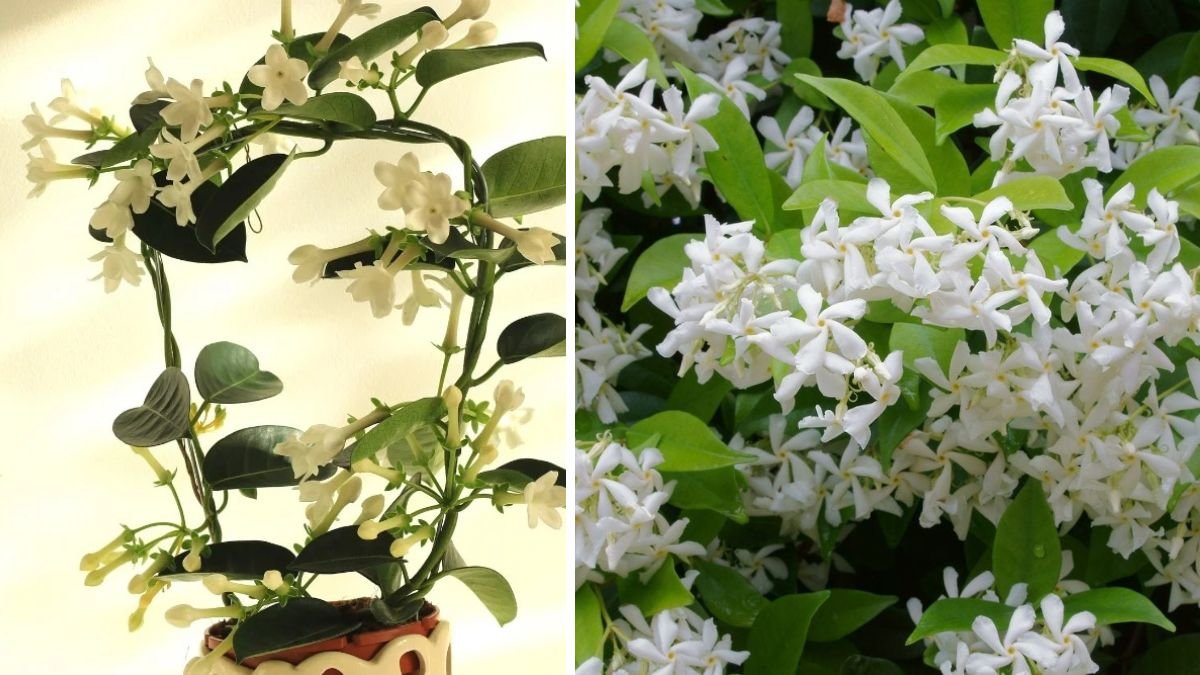
Jasmine, with its enchanting fragrance and delicate flowers, is a beloved addition to gardens around the world. For those looking to grow this beautiful plant, propagating jasmine from cuttings can be an effective and economical way to expand your floral collection. This guide will provide you with comprehensive and practical tips for growing jasmine from cuttings, ensuring your gardening success.
Understanding Jasmine
1. Types of Jasmine
Latest Posts
- How to Use Invisible Wire for a Stunning Climbing Plant Wall
- Are Your Garden Tools Making Your Plants Sick?
- How to Style a Small Studio with Columnar Cacti
- Why Is My Zucchini Shaped Like a Lightbulb?
- How to Protect Your Fruit From Birds Without Nets
- How to Keep Squirrels Away from Your Fruit Trees
- How to Protect Your Fruit from Birds Without Nets
- Why Biochar Is a Game-Changer for Your Kitchen Garden
- Why Some Rare Cacti Bloom Only One Night a Year
- How to Grow Rare Blue Strawberries at Home
There are several varieties of jasmine, but the two most common for garden cultivation are:
- Common Jasmine (Jasminum officinale): Known for its fragrant white flowers, this variety thrives in temperate climates.
- Arabian Jasmine (Jasminum sambac): Commonly used in perfumes, its small white flowers bloom year-round in warmer climates.
Understanding the variety you want to propagate will help tailor your approach to cuttings.
2. Ideal Growing Conditions
Jasmine thrives in warm conditions. Here are some key points to consider:
- Sunlight: Jasmine prefers full sun to partial shade. Aim for at least 6-8 hours of sunlight daily.
- Soil: Well-drained, fertile soil is essential. A loamy soil enriched with organic matter works best.
- Water: Jasmine requires regular watering, particularly during dry spells. However, avoid waterlogging.
Preparing for Propagation

The success of growing jasmine from cuttings starts with proper preparation. Here are the steps:
1. Select Healthy Plants
Choose a healthy jasmine plant from which to take cuttings. Look for:
- Strong stems
- No signs of diseases or pests
2. Gather Tools
You will need:
- Sharp, clean pruning shears
- A clean pot or seed tray
- A well-draining potting mix (or a mix of equal parts perlite, peat, and vermiculite)
- Rooting hormone (optional)
- Plastic bags or a humidity dome
Taking Cuttings
1. Timing
The ideal time to take cuttings is during the growing season, typically in spring or early summer when the plant is actively growing.

2. Cutting Technique
Follow these steps:
- Select a healthy stem: Look for new growth that is semi-hardwood; this is the best stage for taking cuttings.
- Make the cut: Use your clean shears to cut a 4-6 inch section of stem immediately below a leaf node.
- Remove lower leaves: Strip the leaves from the lower half of the cutting to prevent rot. Leave a couple of leaves at the top.
3. Applying Rooting Hormone
While optional, applying rooting hormone can enhance root development. Dip the cut end of the stem into the hormone, then tap off the excess.
Planting Cuttings
1. Prepare the Soil
Fill your pot or seed tray with the pre-moistened potting mix. It should be damp but not saturated.
2. Insert the Cuttings
- Make a hole in the soil using a pencil or your finger to avoid damaging the cutting.
- Insert the cutting into the hole and gently firm the soil around it to eliminate air pockets.
3. Watering

Water the cuttings lightly after planting. Ensure the soil remains consistently moist but not soggy.
Creating the Right Environment
1. Humidity and Temperature
Cuttings need humidity to prevent them from drying out. You have several options:
- Plastic Bag Method: Place a plastic bag over the pot, ensuring it doesn’t touch the leaves, and secure it with a rubber band around the pot’s rim.
- Humidity Dome: Use a seed tray with a clear cover to maintain humidity.
Keep the cuttings in a warm location, ideally between 70-75°F (21-24°C).
2. Lighting
Place the cuttings in a location with bright, indirect sunlight. Direct sunlight can scorch the cuttings, while too little light can hinder growth.
Caring for the Cuttings
1. Watering Routine
Check the moisture level daily and water as necessary. The soil should stay damp but never waterlogged.
2. Ventilation
If using plastic bags, remove them for a few hours each day to allow fresh air circulation, which helps prevent mold and rot.
Transplanting
After about 4-8 weeks, or once you notice substantial root growth, it’s time to transplant:
- Check for roots: Gently pull on a cutting. If you feel resistance, roots are forming.
- Transplanting: Move the cuttings to larger pots with the same soil mix. Handle them carefully to avoid damaging the fragile roots.
- Acclimate: Gradually acclimate your new plants to outside conditions by placing them in a shaded area for a few days before moving them to their final location in the garden.
Final Tips for Successful Jasmine Growth
- Fertilization: Feed your jasmine plants with a balanced fertilizer after about a month of growth in their new pots.
- Pruning: Regularly prune your jasmine to encourage bushiness and flowering.
- Pest Management: Keep an eye out for pests like aphids and spider mites. Use insecticidal soap or neem oil if necessary.
Conclusion
Growing jasmine from cuttings can be a rewarding experience, filling your garden with delightful scents and stunning blooms. By following the steps outlined in this guide, you’ll set yourself up for success in propagating this beautiful plant. Whether you are a seasoned gardener or a beginner, patience and care are crucial throughout the process.
FAQs
1. How long does it take for jasmine cuttings to root?
It typically takes about 4-8 weeks for jasmine cuttings to develop roots.

2. Can I propagate jasmine in water instead of soil?
While it’s possible to root jasmine in water, it’s generally more successful in soil, as jasmine prefers a stable environment.
3. What should I do if my cuttings start to yellow?
Yellowing leaves can be a sign of overwatering. Reduce watering and ensure proper drainage.
4. When is the best time of year to take jasmine cuttings?
Spring and early summer are ideal times to take cuttings, as the plant is actively growing.
5. Do I need to use rooting hormone?
Rooting hormone is optional but can improve the chances of success, especially for those new to propagation.
6. How much sunlight do jasmine plants need?
Jasmine thrives in full sun to partial shade, requiring at least 6-8 hours of sunlight daily.
By following these guidelines and addressing common questions, you can enjoy a flourishing jasmine garden that enhances your outdoor space with beauty and fragrance. Happy gardening!