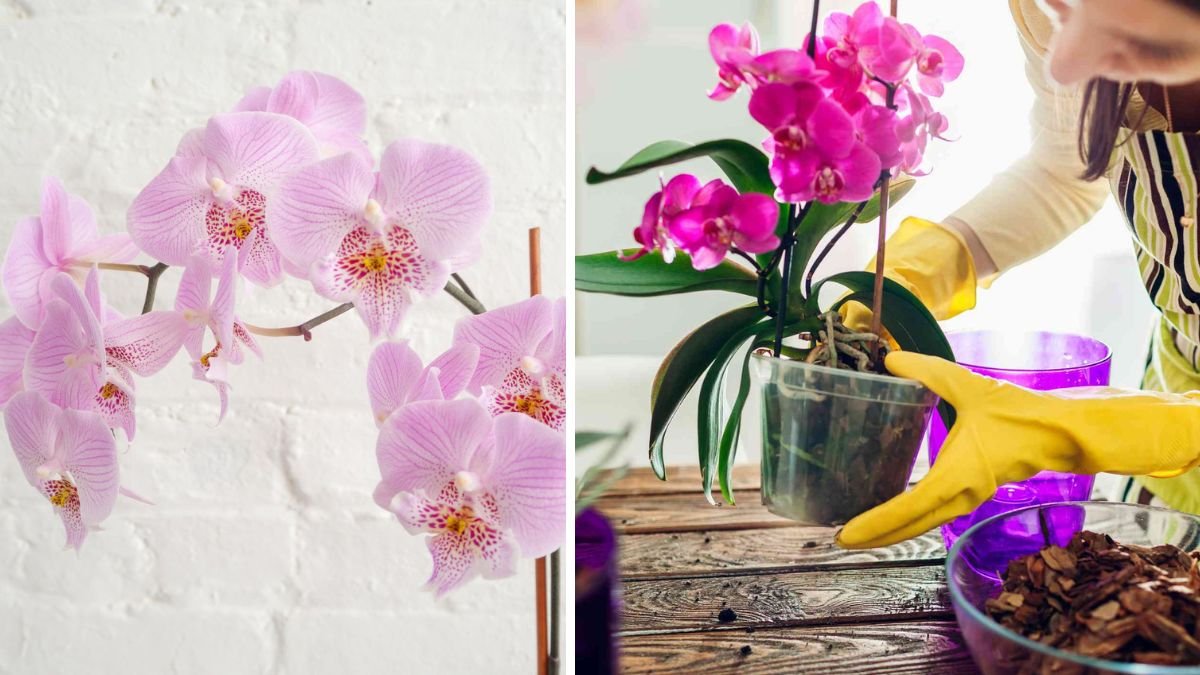
Orchids are some of the most beautiful and diverse flowers, captivating enthusiasts and casual gardeners alike. Their exotic appearance and delightful fragrances make them a popular choice for indoor decoration. However, caring for orchids can seem intimidating to beginners. This guide aims to demystify the process, offering a comprehensive look at how to successfully grow orchids indoors at home.
Understanding Orchids
Orchid Types
Latest Posts
- How to Use Invisible Wire for a Stunning Climbing Plant Wall
- Are Your Garden Tools Making Your Plants Sick?
- How to Style a Small Studio with Columnar Cacti
- Why Is My Zucchini Shaped Like a Lightbulb?
- How to Protect Your Fruit From Birds Without Nets
- How to Keep Squirrels Away from Your Fruit Trees
- How to Protect Your Fruit from Birds Without Nets
- Why Biochar Is a Game-Changer for Your Kitchen Garden
- Why Some Rare Cacti Bloom Only One Night a Year
- How to Grow Rare Blue Strawberries at Home
Orchids belong to the family Orchidaceae, one of the most diverse plant families. There are about 25,000 species of orchids, with thousands of hybrids. Some popular types for indoor growth include:
- Phalaenopsis (Moth Orchid): Known for its long-lasting flowers and ease of care.
- Cattleya: Features large, fragrant blooms and prefers more light.
- Dendrobium: Known for its long canes and clusters of flowers; requires distinct seasonal care.
- Paphiopedilum (Lady Slipper): Has a unique pouch-shaped flower and prefers lower light conditions.
Choosing the Right Orchid
For beginners, Phalaenopsis orchids are often recommended due to their care ease and availability. Whichever type you choose, ensure that it’s healthy—look for vibrant colors, firm leaves, and healthy roots.
Essential Growing Conditions
Light Requirements
Orchids generally prefer indirect sunlight. Too much direct light can scorch their leaves. A south-facing window with filtered light or a north-facing window would be ideal for many species. If natural light is low, consider using grow lights.

Temperature and Humidity
Most orchids thrive in temperatures between 65°F and 75°F (18°C to 24°C) during the day and a few degrees cooler at night. Humidity is also crucial; keep it between 40% and 70%. If your home is dry, consider using a humidity tray or a room humidifier.
Watering
Watering is one of the critical aspects of orchid care. In general, orchids prefer to dry out a bit between waterings. Here are some tips:
- Frequency: Water every 1-2 weeks; adjust based on your home’s environment.
- Method: Use room temperature water and ensure proper drainage.
- Signs of Overwatering: Yellowing leaves or soft, mushy roots.
- Signs of Underwatering: Droopy leaves or shriveled pseudobulbs.
Potting Medium
Orchids do not grow in standard potting soil. Instead, they prefer a well-draining potting mix made of bark, sphagnum moss, or perlite. Ensure the pot has good drainage holes.
Fertilization
Fertilizing orchids is essential for their growth. Use a balanced orchid fertilizer (such as 30-10-10) every 2-4 weeks during the growing season (spring and summer) and reduce it in the fall and winter. Always follow the manufacturer’s instructions to avoid over-fertilization.

Repotting
Repot orchids every 1-2 years or when the potting medium breaks down. The best time to repot is after they finish blooming. Carefully remove the orchid from its pot, trim any dead or damaged roots, and place it in fresh potting mix.
Pest and Disease Management
Common Pests
Orchids can be susceptible to pests like:
- Mealybugs: Small, white, cotton-like pests. Wipe them off with a cotton swab soaked in alcohol.
- Spider Mites: Tiny pests that create webs. Increasing humidity and washing leaves can help.
- Scale: Brown, armor-like pests. Use insecticidal soap for treatment.
Diseases
- Root Rot: Caused by overwatering. Ensure proper drainage.
- Powdery Mildew: Can occur due to poor air circulation. Provide adequate airflow and reduce humidity.
Blooming and Flower Care
Encouraging Blooming
To promote blooming:

- Ensure the orchid receives adequate light.
- Provide a temperature drop at night during the autumn for certain species.
- Stop fertilizing and reduce watering slightly during the resting period.
Post-Bloom Care
After the flowers have faded, prune the flower spike. If it turns brown, cut it back to the base. If it remains green, you can cut it above a node, which may encourage a second bloom.
Common Challenges
Leaf Dropping
If your orchid’s leaves are falling, it may indicate issues with watering (either over or under), shock from temperature changes, or insufficient light.
Lack of Flowers
If your orchid isn’t blooming, review its light, temperature, humidity, and watering conditions. Consider if it needs a dormancy period.
FAQs
1. How long do orchids typically last?
Orchid plants can last many years with proper care. Their flowers typically bloom for several weeks to months, depending on the species.

2. How much light do orchids need?
Orchids generally prefer indirect light. A bright window with sheer curtains is suitable. Too much direct sunlight can cause leaf burn.
3. How often should I water my orchid?
Water every 1-2 weeks, allowing the potting medium to dry out slightly between waterings.
4. What type of pot should I use for orchids?
Use pots with drainage holes. Clay pots are good for moisture control, while plastic pots retain moisture better.
5. Can I use regular houseplant fertilizer on orchids?
It’s better to use fertilizers specifically formulated for orchids. Regular houseplant fertilizers can be too strong.
6. How can I tell if my orchid is healthy?
Look for vibrant flowers, firm leaves, and healthy roots (green and firm). Yellowing or wilting can indicate issues.
7. Is it normal for orchids to lose their flowers?
Yes, orchids naturally go through blooming and non-blooming cycles. After blooming, the plant will rest before blooming again.

8. Can I grow orchids in a bathroom?
Yes, bathrooms can provide a humid environment suitable for orchids, especially if there’s sufficient light. Just ensure proper air circulation.
9. What should I do if my orchid’s roots are rotten?
Trim away any mushy or brown roots with sterilized scissors and repot the orchid in fresh, well-draining medium.
10. How do I propagate orchids?
Orchids can be propagated through division and keikis (baby plants). Division should be done when repotting, while keikis can be removed and planted once they have roots.
Conclusion
Growing orchids indoors can be immensely rewarding. With proper knowledge of their care requirements and a little patience, even beginners can enjoy the stunning beauty of these unique plants. Whether you’re drawn to their exotic blooms or simply wanting to enhance your indoor environment, orchids can thrive in your home with the right approach. Happy growing!