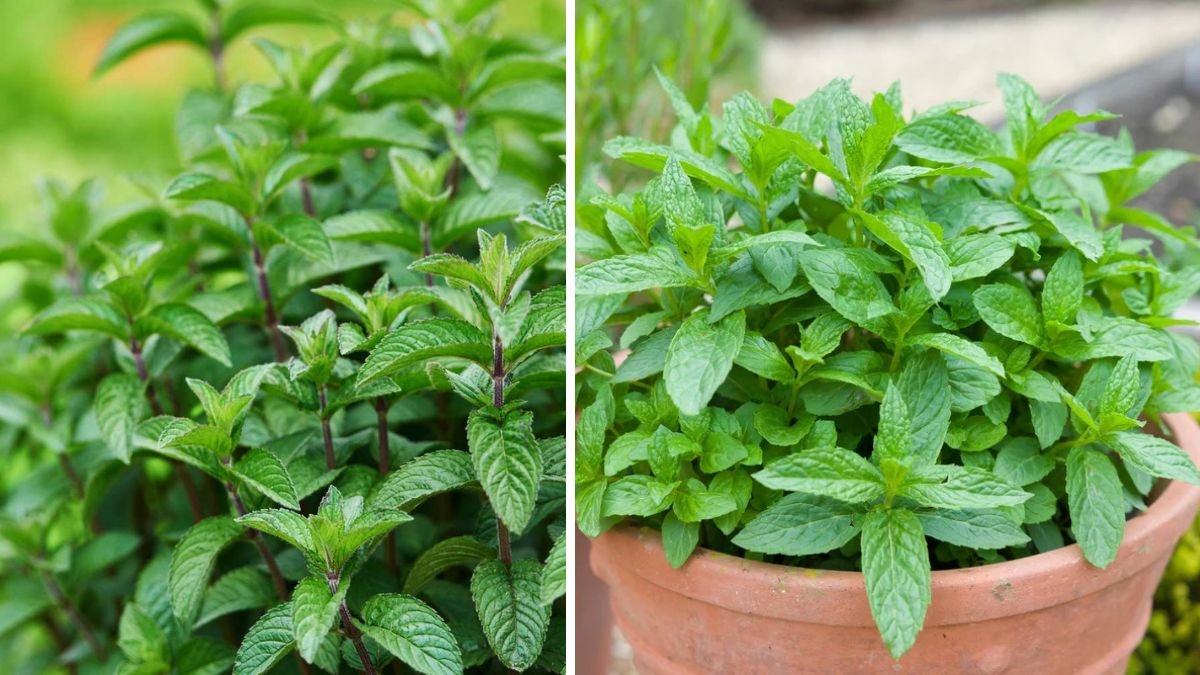
Mint, particularly its culinary variant known as pudina, is a versatile herb that can elevate a variety of dishes, from salads to sauces, and even beverages. Growing fresh mint in your own home garden is not only rewarding but also provides you with a fresh supply for all your culinary needs. This article will guide you through the process of growing mint, covering everything from soil and sunlight requirements to harvesting and pest control.
Understanding Mint
Mint belongs to the Lamiaceae family, and its refreshing flavor makes it a popular choice in many cuisines around the world. There are several types of mint, including spearmint and peppermint, but pudina is commonly associated with Indian cuisine. It’s fragrant and flavorful, making it the perfect addition to dishes like chutneys, raitas, and teas.
Latest Posts
- How to Use Invisible Wire for a Stunning Climbing Plant Wall
- Are Your Garden Tools Making Your Plants Sick?
- How to Style a Small Studio with Columnar Cacti
- Why Is My Zucchini Shaped Like a Lightbulb?
- How to Protect Your Fruit From Birds Without Nets
- How to Keep Squirrels Away from Your Fruit Trees
- How to Protect Your Fruit from Birds Without Nets
- Why Biochar Is a Game-Changer for Your Kitchen Garden
- Why Some Rare Cacti Bloom Only One Night a Year
- How to Grow Rare Blue Strawberries at Home
Types of Mint
-
Spearmint: Less intense in flavor, it is commonly used in salads, sauces, and beverages.
-
Peppermint: Strongly aromatic and often used in desserts and teas.
-
Pudina (Indian Mint): Characterized by its unique aroma and taste, it is extensively used in Indian cooking.
Choosing the Right Location
Mint thrives in a variety of conditions, but specific requirements can help you grow a healthy and bountiful plant.
Sunlight
Mint prefers partial shade to full sun. Ideally, it should get about 4-6 hours of direct sunlight daily. If you’re growing mint in a hotter climate, some afternoon shade will help prevent the leaves from wilting.

Soil Requirements
Mint flourishes in well-draining, somewhat moist soil. Here’s how to prepare it:
- pH Level: Aim for a pH level between 6.0 to 7.0.
- Organic Matter: Mix compost into your soil to enhance its nutrient content and structure.
- Drainage: Ensure the soil has good drainage. Mint does not like soggy conditions.
Planting Mint
Seeds or Cuttings?
While you can grow mint from seeds, it’s often more effective to start with cuttings or transplants. Seeds can take longer to germinate and may not retain the specific flavor profile of your desired variety.
-
Cuttings: Take a healthy cutting from an established mint plant. Ensure it’s about 4-6 inches long and has several leaves. Remove the lower leaves and place the cutting in water until it develops roots (usually within 1-2 weeks).
-
Transplants: You can buy young mint plants from a nursery. When choosing plants, look for healthy leaves without discoloration.
Planting Process
-
Spacing: If planting multiple mint plants, space them about 12-18 inches apart to give them room to grow.
-
Planting Depth: When planting cuttings, bury them deep enough so that at least two nodes are below the soil.
-
Watering: After planting, water gently but thoroughly to settle the soil around the roots.

Caring for Your Mint Plants
Watering
Mint loves moisture but be careful not to overwater. Water your mint plants when the top inch of soil feels dry. Drooping leaves usually indicate a need for water, while yellowing can be a sign of overwatering.
Fertilization
Feed mint plants with a balanced fertilizer every 4-6 weeks during the growing season. Organic options like compost or well-rotted manure can also provide essential nutrients.
Pruning
Regular pruning encourages bushy growth and helps prevent your mint plants from becoming leggy. Use sharp shears to cut back the stems, promoting new growth. Aim to prune about one-third of the plant every few weeks.
Pest Control
Mint is relatively pest-resistant, but be on the lookout for common pests like aphids and spider mites. Here are some natural pest control methods:

- Neem Oil: Spray neem oil on affected plants to deter pests.
- Soap Spray: Mix liquid soap with water and spray it on the leaves to eliminate soft-bodied insects.
Harvesting Mint
Mint leaves can be harvested once your plant is well-established (usually after a few months). Here’s how to do it:
-
Timing: The best time to harvest mint is in the morning, just after the dew has dried but before the sun gets too intense.
-
Method: Use scissors to cut the leaves or stems. Avoid pulling leaves from the plant, as this can damage the stems.
-
Frequency: Regular harvesting not only provides you with fresh mint but also encourages the plant to grow more vigorously.
Using Fresh Mint in Culinary Delights
Fresh mint can be utilized in a variety of culinary ways:
Culinary Uses of Mint (Pudina)
-
Chutneys: A essential condiment with Indian meals, mint chutney can be made by blending fresh mint leaves with yogurt, spices, and sometimes green chilies.
-
Salads: Toss mint with fresh vegetables for a refreshing salad or add it to fruit salads for a burst of flavor.
-
Drinks: Mint is perfect for refreshing beverages like mojitos, mint tea, and lemonade.
-
Marinades and Dressings: Use fresh mint in marinades for meats or in salad dressings for a unique twist.
Storing Mint
If you have a large harvest, here are methods to store mint:
-
Refrigeration: Wrap fresh mint in a damp paper towel and place it inside a plastic bag in the refrigerator. It will last for about a week.
-
Freezing: Chop mint leaves and mix them with a little water in an ice cube tray. Once frozen, you can pop out the cubes and store them in a bag for later use.
FAQs
1. How long does it take for mint to grow?
Mint typically takes about 2 to 3 months from planting to harvest, depending on the growing conditions and the variety.
2. Can mint be grown indoors?
Yes, mint can be successfully grown indoors. Ensure it gets plenty of sunlight, ideally near a south-facing window.

3. What pests affect mint plants?
Mint can attract aphids, spider mites, and whiteflies. Regular inspection and natural pest control solutions can help maintain healthy plants.
4. Is it necessary to prune mint?
Yes, regular pruning is essential for promoting bushy growth and preventing the plant from becoming leggy.
5. How can I propagate mint?
Mint can be propagated from cuttings or through division of established plants. Just ensure the cuttings have enough nodes for rooting.
6. What are the best companions for mint in the garden?
Mint pairs well with cabbage, tomatoes, and peppers. However, avoid planting it next to plants that might compete for space, like parsley and basil.
7. How often should I water my mint?
Mint prefers consistently moist soil. Water when the top inch of the soil feels dry, ensuring not to overwater.
Conclusion
Growing fresh mint (pudina) in your home garden opens up a world of culinary possibilities. With minimal care, you can enjoy an endless supply of this fragrant herb that enhances flavors and adds freshness to your dishes. By following the guidelines laid out in this article, you’ll be on your way to cultivating your own lush and bountiful mint garden. Happy gardening!