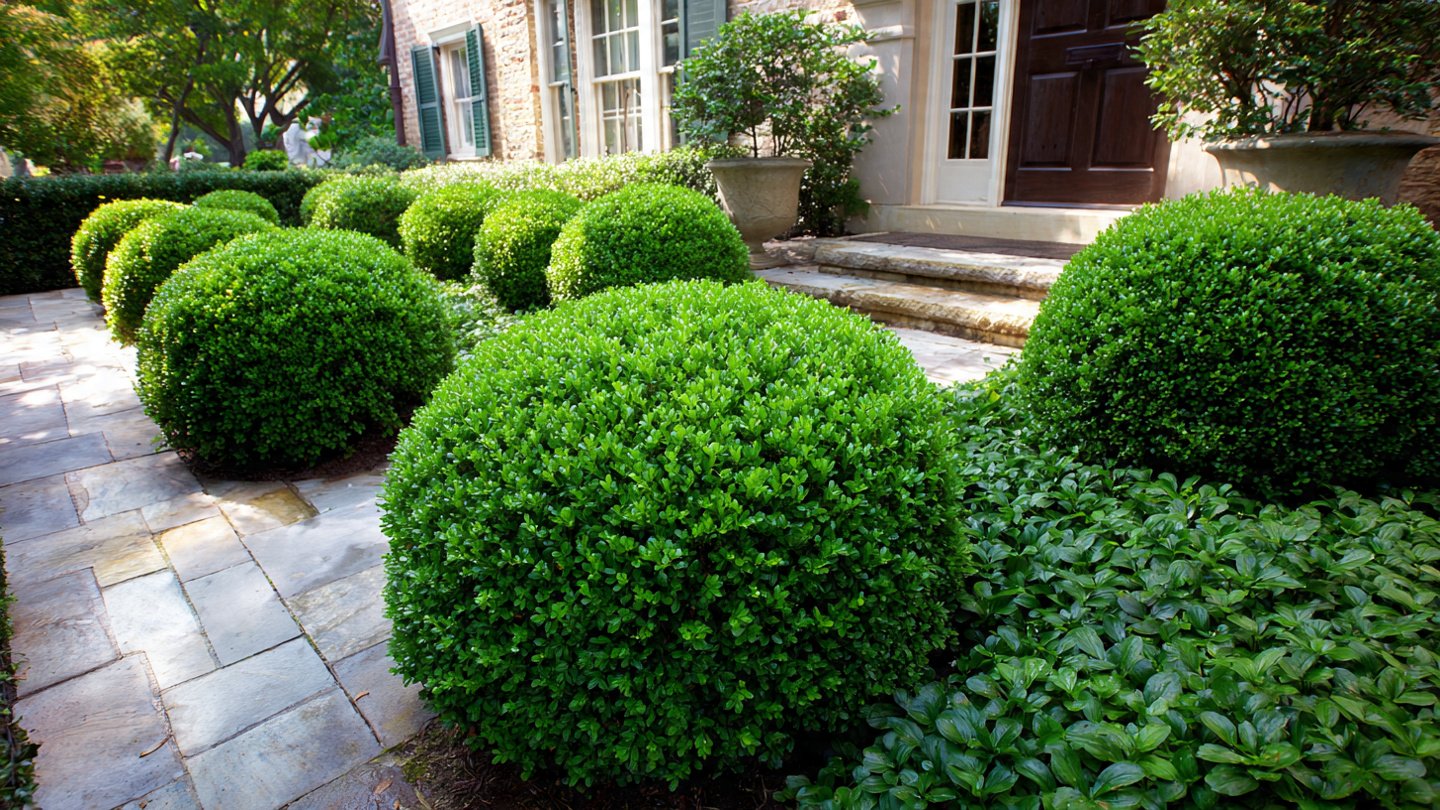
Boxwoods (Buxus spp.) are beloved for their versatility, robustness, and classic appeal in landscapes. Whether you’re designing a formal garden or adding structure to a casual landscape, boxwoods can fulfill many roles, including hedges, topiary, or accent plants. Growing boxwoods at home can be straightforward, provided you follow some basic guidelines. This article will provide you with an easy method for nurturing boxwoods, tips for landscape design, and troubleshooting advice.
1. Understanding Boxwood Varieties
Before starting, it’s essential to understand the variety of boxwood you want to grow. There are several types, including:
Latest Posts
- How to Use Invisible Wire for a Stunning Climbing Plant Wall
- Are Your Garden Tools Making Your Plants Sick?
- How to Style a Small Studio with Columnar Cacti
- Why Is My Zucchini Shaped Like a Lightbulb?
- How to Protect Your Fruit From Birds Without Nets
- How to Keep Squirrels Away from Your Fruit Trees
- How to Protect Your Fruit from Birds Without Nets
- Why Biochar Is a Game-Changer for Your Kitchen Garden
- Why Some Rare Cacti Bloom Only One Night a Year
- How to Grow Rare Blue Strawberries at Home
-
Common Boxwood (Buxus sempervirens): This traditional variety is known for its hardiness and is often used for hedges.
-
Korean Boxwood (Buxus sinica var. insularis): This compact variety is ideal for smaller spaces and is known for its cold hardiness.
-
Japanese Boxwood (Buxus microphylla): This is a smaller and more compact version, often used in foundation plantings.
Selecting the appropriate type based on your climate, design needs, and aesthetics can set the stage for success.
2. Choosing the Right Location
Boxwoods thrive best in well-drained soil with plenty of light. Here are some tips for selecting the ideal location:
-
Sunlight: Boxwoods prefer full sunlight to partial shade. Aim for at least 4-6 hours of direct sunlight daily.
-
Soil Type: Ensure the soil is rich in organic material and well-drained. Boxwoods can suffer from root rot if planted in overly wet conditions.
-
Space: Account for the mature size of your chosen variety. Provide ample space for growth—both in width and height.

3. Preparing the Soil
Before planting, it’s crucial to prepare the soil properly:
-
Testing pH: Boxwoods prefer slightly acidic to neutral soil (pH between 6.5 and 7.0). Test your soil with a home test kit available at garden centers.
-
Amending Soil: If your soil is heavy clay or sandy, amend it with organic matter, like compost or peat moss, to improve texture and drainage.
-
Drainage: For areas prone to saturation, consider planting in raised beds to improve drainage.
4. Planting Boxwoods
Once the location and soil have been prepared, you can proceed with planting:
-
Timing: The best time to plant boxwoods is in early spring or fall, avoiding the heat of summer.
-
Digging the Hole: Dig a hole that is twice the width and the same depth as the root ball.
-
Placement: Remove the boxwood from its pot, gently loosening any tightly bound roots. Place it in the center of the hole, ensuring the top of the root ball is level with the soil surface.
-
Backfilling: Fill the hole with soil, firming it gently to eliminate air pockets.

-
Watering: Water thoroughly after planting to settle the soil.
5. Watering Techniques
Watering is crucial, especially for newly planted boxwoods:
-
Initial Watering: Water your boxwoods deeply after planting.
-
Routine Watering: During the first growing season, water them weekly to encourage deep root growth.
-
Humidity Needs: During the dry summer months, monitor moisture levels frequently. If rainfall is scarce, consider a deep watering every two weeks.
-
Signs of Over or Under-Watering: Yellowing leaves can indicate overwatering, while browning leaf edges usually signify underwatering.
6. Mulching and Fertilizing
Mulching and fertilizing are vital for boxwood health:
-
Mulching: Apply a 2-3 inch layer of mulch around the base, keeping it away from the trunk. This conserves moisture, suppresses weeds, and regulates soil temperature.
-
Fertilizing: Use a balanced, slow-release fertilizer in the spring just as new growth begins. Avoid excessive nitrogen, as it encourages rapid growth that can lead to leggy plants.

7. Pruning Boxwoods
Pruning not only maintains shape but also encourages healthy growth:
-
Timing: The best time to prune is in late winter to early spring before new growth begins.
-
Techniques: Use sharp, clean pruning shears to remove dead or diseased branches. For shaping, selectively prune to encourage a dense, bushy appearance.
-
Regular Maintenance: Regularly check for any signs of disease or insect infestations, and address them immediately.
8. Landscape Design Ideas with Boxwoods
Boxwoods are incredibly versatile and can enhance your garden in various ways:
-
Hedges: Plant boxwoods in rows to create formal hedges that define garden borders or pathways.
-
Topiary: Prune boxwoods into shapes for a fun, artistic element in your garden.
-
Foundation Plantings: Use boxwoods alongside your house to offer visual interest and soften hard landscaping elements.
-
Container Gardening: Boxwoods can thrive in containers, adding elegance to patios or entryways.
9. Common Pests and Diseases
Boxwoods can be susceptible to specific pests and diseases, so being vigilant is essential:
-
Pests: Look out for boxwood leaf miner, scale insects, and aphids. Regularly inspect your plants for signs of infestation.
-
Diseases: Be mindful of boxwood blight and root rot. Good drainage and air circulation help prevent these conditions.
10. Tips for Winter Protection
In colder climates, boxwoods may need winter protection:
-
Mulching: Ensure a good layer of mulch to insulate roots.
-
Wrapping: Consider wrapping the boxwoods in burlap to protect them from harsh winter winds.
-
Watering Before Frost: Water well before the ground freezes to help prevent desiccation during dry winter months.
FAQs
1. How fast do boxwoods grow?
Boxwoods typically grow at a moderate rate of about 6-12 inches per year, depending on the variety and growing conditions.
2. Can I grow boxwoods in containers?
Yes! Boxwoods can thrive in containers, making them versatile for patios and small spaces. Ensure the container has proper drainage.
3. How often should I prune my boxwoods?
You should prune your boxwoods annually to maintain shape and promote healthy growth, ideally in late winter or early spring.
4. Can boxwoods tolerate drought?
While boxwoods are relatively drought-tolerant once established, they perform best with regular watering during prolonged dry spells.
5. What should I do if my boxwoods have yellow leaves?
Yellowing leaves can indicate overwatering or nutrient deficiencies. Assess your watering routines and consider testing your soil for nutrient balance.
6. Are boxwoods deer-resistant?
While boxwoods are not completely deer-proof, they are less favored by deer compared to other landscape plants. However, hungry deer may still nibble on them.
7. What’s the best way to propagate boxwoods?
Boxwoods can be propagated through cuttings. Take softwood cuttings in spring or semi-hardwood cuttings in summer, and root them in a well-draining medium.
8. Do boxwoods need pruning every year?
Annual pruning is recommended to maintain the desired shape and promote bushiness. However, you should adjust the frequency based on the growth rate of your plants.
Conclusion
Growing boxwoods for landscape design at home is not only rewarding but also enhances your outdoor spaces. With the right location, soil preparation, and ongoing care, you can enjoy the beauty and resilience of boxwoods for years to come. Incorporate these versatile shrubs into your landscape plan and watch your garden flourish!