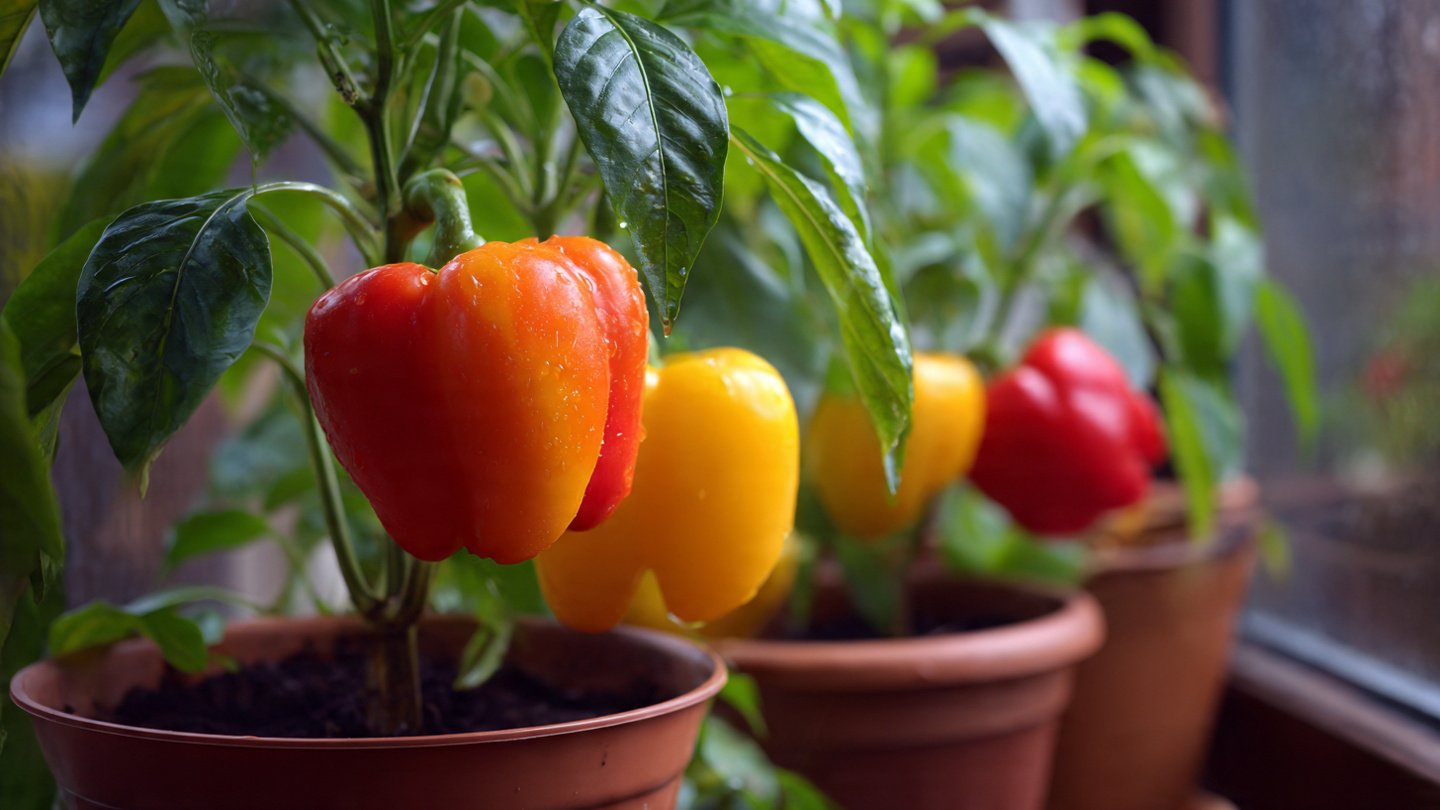
Growing bell peppers in containers can be a rewarding endeavor, particularly for those with limited garden space or those living in urban environments. Container gardening offers the flexibility to grow these vibrant vegetables on patios, balconies, or even windowsills. This guide provides you with practical tips and steps to ensure a bountiful harvest of bell peppers.
1. Choosing the Right Container
Choosing the right container is crucial for the successful growth of bell peppers. Here are some recommendations:
Latest Posts
- How to Use Invisible Wire for a Stunning Climbing Plant Wall
- Are Your Garden Tools Making Your Plants Sick?
- How to Style a Small Studio with Columnar Cacti
- Why Is My Zucchini Shaped Like a Lightbulb?
- How to Protect Your Fruit From Birds Without Nets
- How to Keep Squirrels Away from Your Fruit Trees
- How to Protect Your Fruit from Birds Without Nets
- Why Biochar Is a Game-Changer for Your Kitchen Garden
- Why Some Rare Cacti Bloom Only One Night a Year
- How to Grow Rare Blue Strawberries at Home
-
Size: Choose a container that is at least 5 gallons in size. This provides enough root space for the plants to thrive. Larger containers can hold more soil and moisture, benefiting the plants.
-
Material: Containers can be made from plastic, clay, ceramic, or metal. Each material has its pros and cons. Plastic containers are lightweight and retain moisture well, while clay pots allow for better air circulation. Ensure any material you choose has adequate drainage holes.
-
Shape: Opt for wider containers rather than taller ones, as bell pepper roots spread out rather than growing deep.
2. Selecting the Right Variety
Bell peppers come in several varieties, each with unique flavors, colors, and growth habits. When selecting seeds or seedlings, consider:
-
Growth Habit: Determinate varieties are bushier and may be better suited for smaller containers. Indeterminate varieties can grow taller and may require staking or support.
-
Color: Bell peppers can ripen to various colors like green, yellow, orange, or red. Choose the colors you prefer for both flavor and visual appeal.

-
Growing Season: Some varieties mature faster than others. If you have a shorter growing season, select varieties suited for your climate.
3. Soil Preparation
The right soil is essential for healthy bell pepper plants. Here are some tips for soil preparation:
-
Quality: Use a high-quality potting mix designed for container gardening. This mix should be lightweight and well-draining while retaining moisture.
-
pH Levels: Bell peppers thrive in slightly acidic to neutral pH levels (6.0-6.8). You can test your soil and amend it with lime to raise the pH or sulfur to lower it if needed.
-
Nutrients: Incorporate organic matter such as compost to enhance nutrient content. You can also consider a slow-release fertilizer formulated for vegetables to ensure steady nutrient availability.
4. Planting Bell Peppers
Once you have your containers and soil ready, it’s time to plant your bell peppers.
-
Sowing Seeds or Transplants: If using seeds, start them indoors 8-10 weeks before the last frost date in your area. If using young plants (transplants), select healthy specimens with no signs of disease.
-
Spacing: Space plants about 18-24 inches apart within the container, depending on the variety. This spacing allows for adequate air circulation and reduces the risk of disease.
-
Depth: When planting, bury young plants up to the first set of true leaves to encourage strong root development.
5. Watering
Watering is crucial for growing healthy bell peppers. Here are some tips:
-
Consistent Moisture: Bell peppers prefer consistent moisture but are susceptible to overwatering. Water the plants when the top inch of the soil feels dry. The frequency of watering may vary based on the weather, plant size, and container material.
-
Deep Watering: Water deeply to encourage strong root growth, promoting stability and access to nutrients. Containers can dry out quickly, so be vigilant, especially during hot weather.
-
Mulching: Consider adding a layer of mulch (straw, wood chips, or shredded leaves) to help retain moisture and suppress weeds.
6. Sunlight Requirements
Bell peppers require ample sunlight for optimal growth.
-
Location: Place your containers in a location that receives at least 6-8 hours of direct sunlight daily. This ensures your peppers develop their characteristic sweetness and vibrant color.
-
Rotation: If possible, rotate your containers throughout the season to give all sides of the plant adequate sunlight exposure.
7. Fertilization
Fertilization is essential for bell peppers, as these plants are heavy feeders.
-
Type: Use a balanced fertilizer (like a 5-10-10 or similar formulation) designed for vegetables. If you’ve incorporated slow-release fertilizer into your potting mix, additional fertilization may be unnecessary for a while.
-
Schedule: Fertilize every 4-6 weeks during the growing season, especially once the plants start setting fruit. Always follow label instructions for application rates.
8. Pest and Disease Management
Pests and diseases can threaten your bell pepper plants. Here’s what to watch for:
-
Common Pests: Aphids, spider mites, and whiteflies are common pests that can be managed using insecticidal soap or neem oil. Regular inspection of the plants can help you catch infestations early.
-
Diseases: Root rot and fungal diseases can affect overwatered plants. Ensure good drainage and avoid water on the leaves to reduce the risk of diseases.
-
Prevention: Rotate your crops if using the same containers year after year, and keep your workspace clean to minimize disease spread.
9. Supporting Your Plants
As bell pepper plants grow, they may require support to help them stay upright.
-
Staking: Taller varieties may need stakes or cages for support, especially once they start bearing fruit. This helps prevent drooping and can improve air circulation.
-
Pruning: Prune any yellowing leaves and dead flowers to promote air flow and encourage the plant to focus its energy on fruit production.
10. Harvesting
Knowing when and how to harvest bell peppers is essential for a successful crop.
-
Time: Bell peppers usually take 60-90 days from transplanting to harvest, depending on the variety.
-
Color: Harvest peppers when they reach the desired size and color. Green peppers can be harvested early, while red, yellow, or orange peppers should be fully colored for the best flavor.
-
Method: Use garden shears to cut the pepper from the plant, leaving a short stem. Avoid pulling or twisting.
Conclusion
Growing bell peppers in containers can be a straightforward process with ample rewards. By following these simple steps—from selecting the right container and soil to ensuring proper sunlight, watering, and pest management—you can enjoy a healthy harvest of vibrant bell peppers. Whether you’re using them in salads, salsas, or cooked dishes, the freshness of home-grown peppers will be worth every effort you put into their care.
FAQs
1. Can I grow bell peppers indoors?
Yes, bell peppers can be grown indoors, provided they receive enough sunlight (ideally supplemented with grow lights). Ensure good air circulation to prevent fungal diseases.
2. How often should I water my bell peppers?
Watering depends on several factors, but generally aim to keep the soil consistently moist. Check the top inch of the soil daily in hot weather.
3. What is the best fertilizer for bell peppers?
A balanced fertilizer with a higher phosphorus and potassium ratio (like 5-10-10) is beneficial for bell peppers, especially during fruit development.
4. Can bell peppers be grown from store-bought peppers?
Yes, you can grow bell peppers from seeds in store-bought peppers, but results can be unpredictable. If you want a specific variety, it’s better to use seeds or transplants from a nursery.
5. Why are my bell pepper leaves turning yellow?
Yellow leaves can indicate several issues, including overwatering, nutrient deficiency, or pest problems. Assess your watering practices and inspect for pests.
6. How can I prevent pests from attacking my bell peppers?
Regularly inspect your plants and use organic pest control methods like insecticidal soap or neem oil. Maintaining healthy plants through proper care will also reduce vulnerability.
By following these steps and addressing common questions, anyone can successfully cultivate delicious bell peppers in containers. Happy gardening!