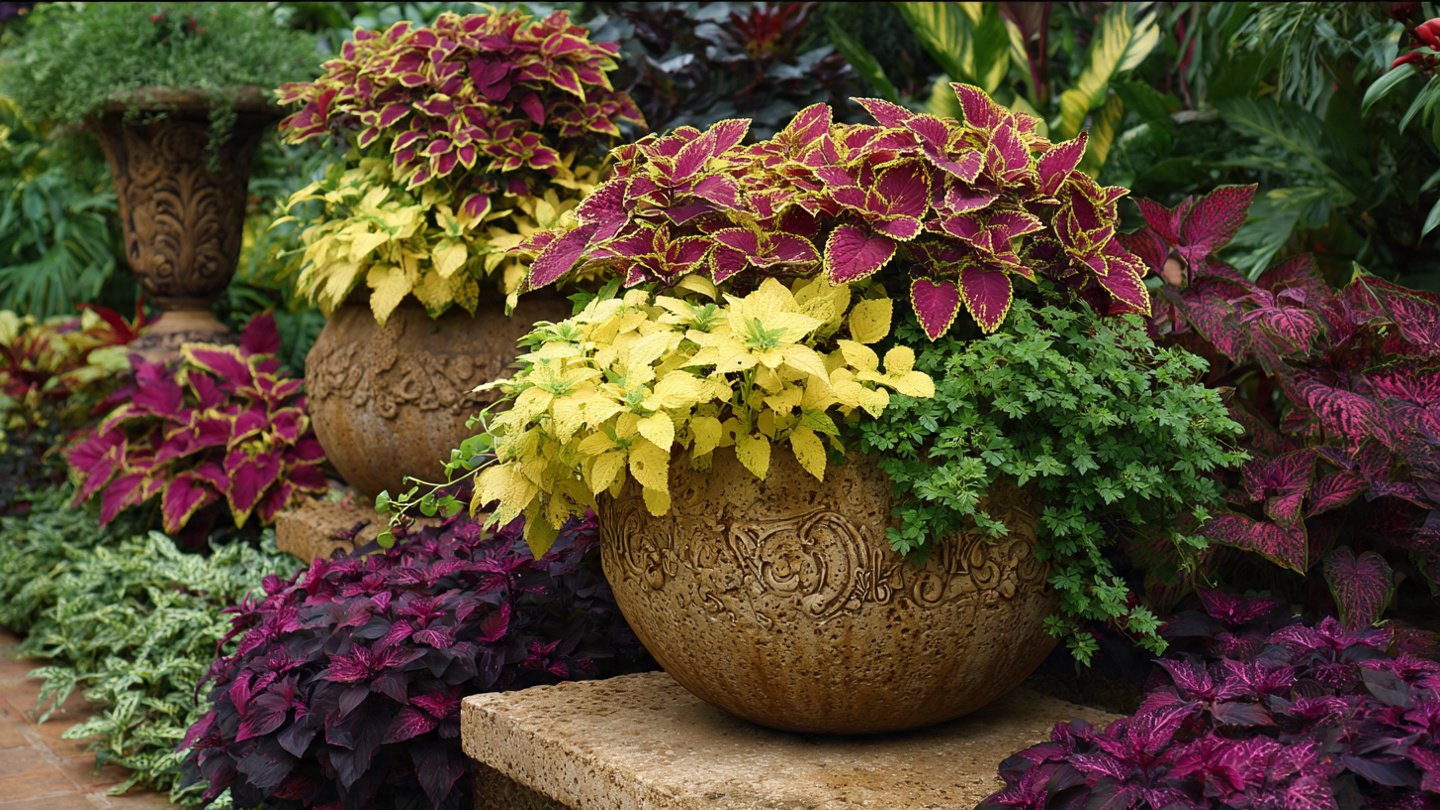
Coleus, known for its vibrant foliage and variety of colors, is a fantastic addition to any garden or landscape design. Whether you are a seasoned gardener or a novice, coleus plants can easily brighten up your garden space and offer a range of options for decoration. In this guide, we’ll explore the best ways to grow coleus, their care requirements, and creative ideas to use them for colorful decoration.
Understanding Coleus
Coleus (Solenostemon scutellarioides) are tropical plants that belong to the mint family. They are beloved for their stunning foliage, which comes in various shades including reds, greens, purples, and yellows. Native to Southeast Asia and Africa, coleus plants can grow as annuals in cooler climates, while in warmer regions, they may be cultivated as perennials.
Latest Posts
- How to Use Invisible Wire for a Stunning Climbing Plant Wall
- Are Your Garden Tools Making Your Plants Sick?
- How to Style a Small Studio with Columnar Cacti
- Why Is My Zucchini Shaped Like a Lightbulb?
- How to Protect Your Fruit From Birds Without Nets
- How to Keep Squirrels Away from Your Fruit Trees
- How to Protect Your Fruit from Birds Without Nets
- Why Biochar Is a Game-Changer for Your Kitchen Garden
- Why Some Rare Cacti Bloom Only One Night a Year
- How to Grow Rare Blue Strawberries at Home
Why Choose Coleus?
-
Visual Appeal: The colorful leaves of coleus can create interesting contrasts in any garden setting.
-
Easy to Grow: They are relatively low-maintenance, making them suitable for both beginner and experienced gardeners.
-
Versatile Use: Coleus can be used as borders, filler plants, or even container plants, allowing for creativity in garden design.
Choosing the Right Variety
Coleus comes in a variety of cultivars, each boasting different leaf shapes, sizes, and color patterns. Some popular varieties include:

- Kong Series: Known for large leaves and vibrant colors.
- Dark Star: Features dark green and purple leaves.
- Burgundy Gate: Offers deep burgundy leaves for a dramatic look.
- Rainbow Mix: A vibrant blend of various colors perfect for mixed plantings.
Factors to Consider
When choosing coleus varieties for your garden, consider sunlight exposure, overall height, and foliage color to create a cohesive decorative look.
Planting Coleus
Timing
The best time to plant coleus is in the spring, after the threat of frost has ended. They thrive in warm weather and can be planted outdoors once temperatures consistently stay above 50°F (10°C).
Location
Coleus can be grown in full sun or partial shade, but they tend to thrive best in bright, indirect light. If planted in full sun, ensure that the environment is not too hot and that you monitor the moisture levels closely.
Soil Requirements
Coleus prefer well-draining, fertile soil. A soil mix that incorporates compost can provide nutrients and enhance drainage. Ensure that the soil pH is between 6.0 and 7.0 for optimal growth.

Spacing
When planting coleus, space them approximately 12 to 18 inches apart, depending on their mature size. This spacing allows for air circulation, promoting healthy growth and reducing the likelihood of diseases.
Caring for Coleus
Watering
Water your coleus plants consistently to keep the soil evenly moist, especially during hot weather. However, avoid overwatering, as coleus are susceptible to root rot. The top inch of soil should be dry before the next watering.
Fertilization
While coleus can grow in nutrient-rich soil, feeding them with a water-soluble fertilizer every few weeks during the growing season can enhance their vibrancy. Avoid fertilizing during the dormant winter months.
Pruning
Regularly pinch back the growing tips of coleus plants to encourage bushier growth and prevent them from becoming leggy. If you notice any flowering, which can detract from their foliage display, cut off the flower spikes to maintain the plant’s energy on foliage growth.
Pest Control
Common pests that can affect coleus include aphids, spider mites, and whiteflies. Inspect your plants regularly and use insecticidal soap or neem oil if any pests are detected. Always follow the directions to avoid harming the plant.

Creative Decoration Ideas
Once your coleus plants are thriving, here are some exciting ways to use them in your garden for stunning visuals:
1. Focal Points
Use taller varieties of coleus as focal points in your garden. Plant them at the back of flower beds to create a dramatic backdrop, or position them in a prominent area where they can stand out.
2. Container Gardens
Coleus are excellent for container gardening. Combine them with other flowering plants or use them as standalone feature plants. Vary the heights and colors for an eye-catching display.
3. Borders and Edges
Plant low-growing coleus varieties along pathways, driveways, or garden edges to create a colorful border. This not only adds beauty but also helps define spaces within your garden.
4. Mixed Plantings
Combine coleus with annual flowers like petunias and marigolds for a mixed planting display. Choose colors that complement or contrast with the foliage of coleus for a dynamic look.
5. Hanging Planters
For small spaces, consider using coleus in hanging baskets. Their trailing growth habit can add depth and texture to your garden.
6. Indoor Displays
Coleus can thrive indoors as well. Use them in bright, well-lit areas or near windows to create attractive indoor decorations. They can be combined with other houseplants for a vibrant indoor tropical garden.
Overwintering Coleus
In regions with cold winters, coleus can be overwintered indoors. Before the first frost, take cuttings from your outdoor plants, and place them in water or pot them in soil. Alternatively, you can bring the entire pot indoors and place it in a well-lit area until the next growing season.
Frequently Asked Questions (FAQs)
1. Can coleus grow in full sun?
Yes, many coleus varieties can tolerate full sun, but they prefer bright, indirect light. In hot climates, they may require some shade during the hottest parts of the day.
2. How often should I water coleus?
Coleus prefer evenly moist soil. Water them when the top inch of soil feels dry. In hotter weather, you may need to water more frequently.
3. How do I propagate coleus?
Coleus can be easily propagated through cuttings. Simply take a healthy cutting, remove the lower leaves, and place it in water or directly into moist soil until roots begin to develop.

4. Are coleus plants toxic to pets?
Coleus are generally considered non-toxic to pets, but it’s always best to monitor your pets around any plants and consult your veterinarian if you have concerns.
5. When should I fertilize my coleus?
Fertilize coleus every few weeks during the growing season (spring and summer) with a balanced water-soluble fertilizer. Avoid fertilizing during the dormant winter months.
6. Can I grow coleus indoors?
Yes, coleus can be grown indoors as long as they receive adequate light. Place them in bright, well-lit areas or near windows for optimal growth.
7. Why are my coleus leaves turning yellow?
Yellowing leaves can indicate overwatering, insufficient light, or nutrient deficiencies. Make sure that the plant has good drainage and is receiving adequate light.
Conclusion
Coleus is an outstanding choice for gardeners looking to add color and vibrancy to their outdoor and indoor spaces. By understanding their growth requirements and experimenting with different decoration ideas, you can create a stunning visual impact in your garden. Whether used as focal points, in container gardens, or as part of mixed plantings, coleus will undoubtedly bring joy and color to your landscape for many growing seasons to come. Happy gardening!