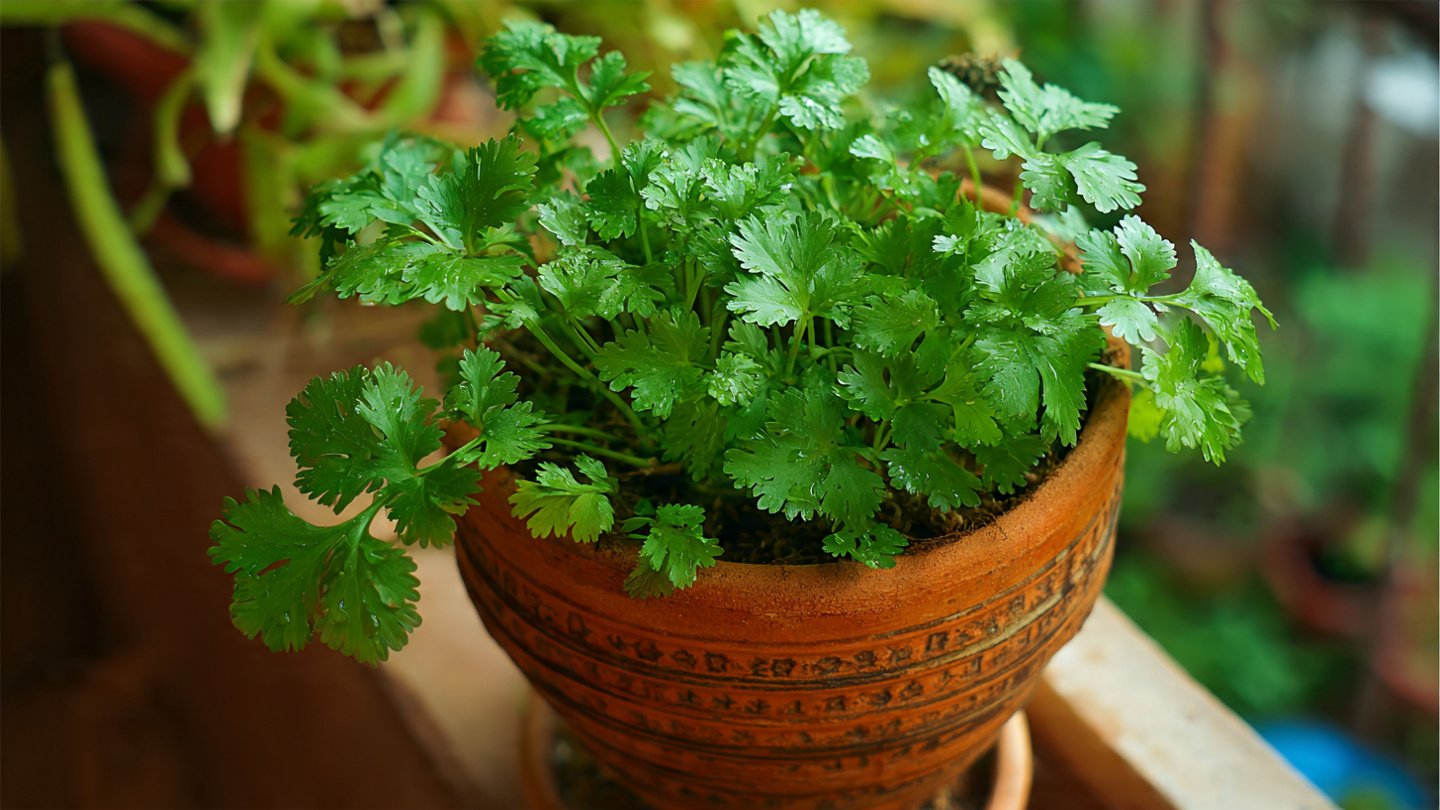
Coriander, commonly known as dhaniya in India, is a popular culinary herb valued for its aromatic leaves and seeds. Growing dhaniya in pots is an ideal method for home gardeners, especially those with limited space. This article will guide you through every step of cultivating dhaniya, from seed selection to harvest, along with a comprehensive FAQs section at the end.
Why Grow Dhaniya?
- How to Use Invisible Wire for a Stunning Climbing Plant Wall
- Are Your Garden Tools Making Your Plants Sick?
- How to Style a Small Studio with Columnar Cacti
- Why Is My Zucchini Shaped Like a Lightbulb?
- How to Protect Your Fruit From Birds Without Nets
- How to Keep Squirrels Away from Your Fruit Trees
- How to Protect Your Fruit from Birds Without Nets
- Why Biochar Is a Game-Changer for Your Kitchen Garden
- Why Some Rare Cacti Bloom Only One Night a Year
- How to Grow Rare Blue Strawberries at Home
-
Culinary Uses: Dhaniya is a versatile herb used in various dishes, including curries, salads, and chutneys. Its fresh leaves and dried seeds add distinct flavors to numerous cuisines.
-
Health Benefits: This herb is loaded with antioxidants, vitamins A, C, and K, and has anti-inflammatory properties. It may help with digestion and has been linked to lowering blood sugar levels.
-
Easy to Grow: Growing dhaniya is relatively hassle-free compared to other herbs. It can thrive in pots, making it suitable for balcony gardens and urban settings.
Latest Posts
Selecting the Right Seeds
When choosing seeds for dhaniya:
-
Varieties: You can choose between two primary varieties:
- Coriander Leaves (Dhaniya Patta): These have broad, flat leaves and are typically used fresh.
- Coriander Seeds: These are the dried seeds of the plant and are utilized as a spice.

-
Organically Sourced Seeds: Opt for organic seeds if possible, as they tend to be more viable and free from pesticides.
-
Freshness: Ensure that your seeds are fresh. Older seeds can have lower germination rates.
Pot Selection
-
Size: Choose pots that are at least 6 to 8 inches deep. Dhaniya plants have a comparatively shallow root system.
-
Material: Terra cotta, plastic, or ceramic pots work well. Ensure the pots have drainage holes to prevent waterlogging.
-
Spacing: If growing multiple plants, allow sufficient spacing between pots. Ideally, 1 foot apart will ensure good air circulation.
Soil Preparation
-
Soil Type: Use a well-draining potting mix that is rich in organic matter. A mixture of potting soil, compost, and perlite is ideal.
-
pH Level: The ideal pH for dhaniya is between 6.2 and 6.8. You can check the pH using a soil test kit. Amend soil with lime or sulfur as needed.
-
Nutrients: Pre-mix the soil with slow-release fertilizers. Organic options like bone meal or kelp can provide the necessary nutrients.
Sowing Seeds
-
Timing: The best time to plant dhaniya is in spring or fall when temperatures range between 15°C and 30°C (59°F and 86°F). Avoid sowing in extreme heat or cold.
-
Depth: Sow seeds about 1/4 to 1/2 inch deep. You can plant seeds directly in the pot.
-
Spacing: If sowing multiple seeds in one pot, space them about 1 to 2 inches apart. Thinning will be necessary later.
-
Watering: After sowing, gently water the soil using a watering can or spray bottle. Keep the soil consistently moist but not soggy.
Caring for Dhaniya Plants
1. Watering
- Frequency: Water the plants regularly, allowing the top inch of soil to dry out between waterings. Check for moisture daily, especially in warmer weather.
- Method: Use a fine spray or watering can to avoid displacing seeds or seedlings.
2. Sunlight
- Light Requirements: Dhaniya loves sunlight but can tolerate partial shade. Ideally, provide at least 4-5 hours of direct sunlight each day.
- Rotation: If your pots are on a balcony or patio, rotate them occasionally to ensure even sunlight exposure.
3. Thinning
- When to Thin: Once seedlings have grown 2-3 sets of true leaves, thin them out to prevent overcrowding. Keep the strongest seedlings and remove the weaker ones.
- How to Thin: Use scissors to cut the extra seedlings at soil level without disturbing the roots of the remaining plants.
4. Fertilizing
- Frequency: Apply a balanced fertilizer every 4-6 weeks. Organic formulations are preferred as they provide a slow release of nutrients.
- Indications: Yellowing leaves may indicate a nutrient deficiency, suggesting the need for additional fertilization.
5. Pest and Disease Management
- Common Pests: Look out for aphids, spider mites, and leafhoppers. Neem oil spray is an effective organic pest control.
- Diseases: Fungal problems can occur due to excessive moisture. Ensure good air circulation and avoid overhead watering.
Harvesting Dhaniya
-
Timing: Harvest dhaniya when the leaves are vibrant green and at least 6 inches tall. Depending on the variety, this can be around 3-4 weeks after sowing.
-
Method: Use scissors to cut the leaves, taking care not to harm the plant. Leave a few sets of leaves each time to allow for continued growth.
-
Seeds: If you grow dhaniya primarily for its seeds, allow the plant to flower and set seed. Once the seeds turn brown and dry out, you can harvest them.
-
Storage: Store fresh leaves in the refrigerator wrapped in a damp paper towel. Dried seeds can be stored in an airtight container in a cool, dark place.
Tips for Success
- Plan for Successive Planting: To ensure a continuous supply of fresh dhaniya, consider sowing seeds every 2-3 weeks.
- Companion Planting: Dhaniya works well with other herbs and vegetables like tomatoes and peppers. It can also repel pests that affect nearby plants.
- Rotate Crops: To maintain soil health, avoid planting dhaniya in the same pot consecutively. Plan for crop rotations.
FAQs
1. How long does it take for dhaniya to grow from seed to harvest?
On average, dhaniya can be harvested in about 3-4 weeks when grown from seeds.
2. Can I grow dhaniya indoors?
Yes! Dhaniya can thrive indoors as long as it gets sufficient sunlight. A south-facing window is ideal for maximizing light exposure.
3. How often should I water my dhaniya plants?
Water your dhaniya plants whenever the top inch of the soil feels dry. This usually translates to watering every 2-3 days, depending on the weather.
4. What should I do if my dhaniya plant starts to bolt?
Bolting is when a plant produces flowers prematurely. If your dhaniya bolts, cut off the flower stalks immediately to try and encourage leaf growth. Adjusting light and moisture levels can help prevent bolting.
5. Can I use the dhaniya seeds for cooking?
Yes, the seeds can be harvested, dried, and used as a spice. They can be ground into powder or used whole in various dishes.
6. Why are my dhaniya leaves turning yellow?
Yellowing leaves may indicate over-watering or a nutrient deficiency. Check the drainage and consider applying fertilizer.
7. Is dhaniya a perennial or annual plant?
Dhaniya is considered an annual herb. It completes its life cycle in one growing season, but you can grow it multiple times throughout the year with successive sowing.
8. Can I grow dhaniya from store-bought herbs?
While it is possible, store-bought herbs are often treated with preservatives and may not germinate. It’s best to use seeds intended for planting.
Conclusion
Growing dhaniya in pots is a rewarding venture that enhances your culinary creations and adds a fresh aroma to your home. By following the steps outlined in this guide, you can enjoy a bountiful harvest of this versatile herb. Embrace the joy of gardening and the health benefits that come with home-grown dhaniya!