Introduction
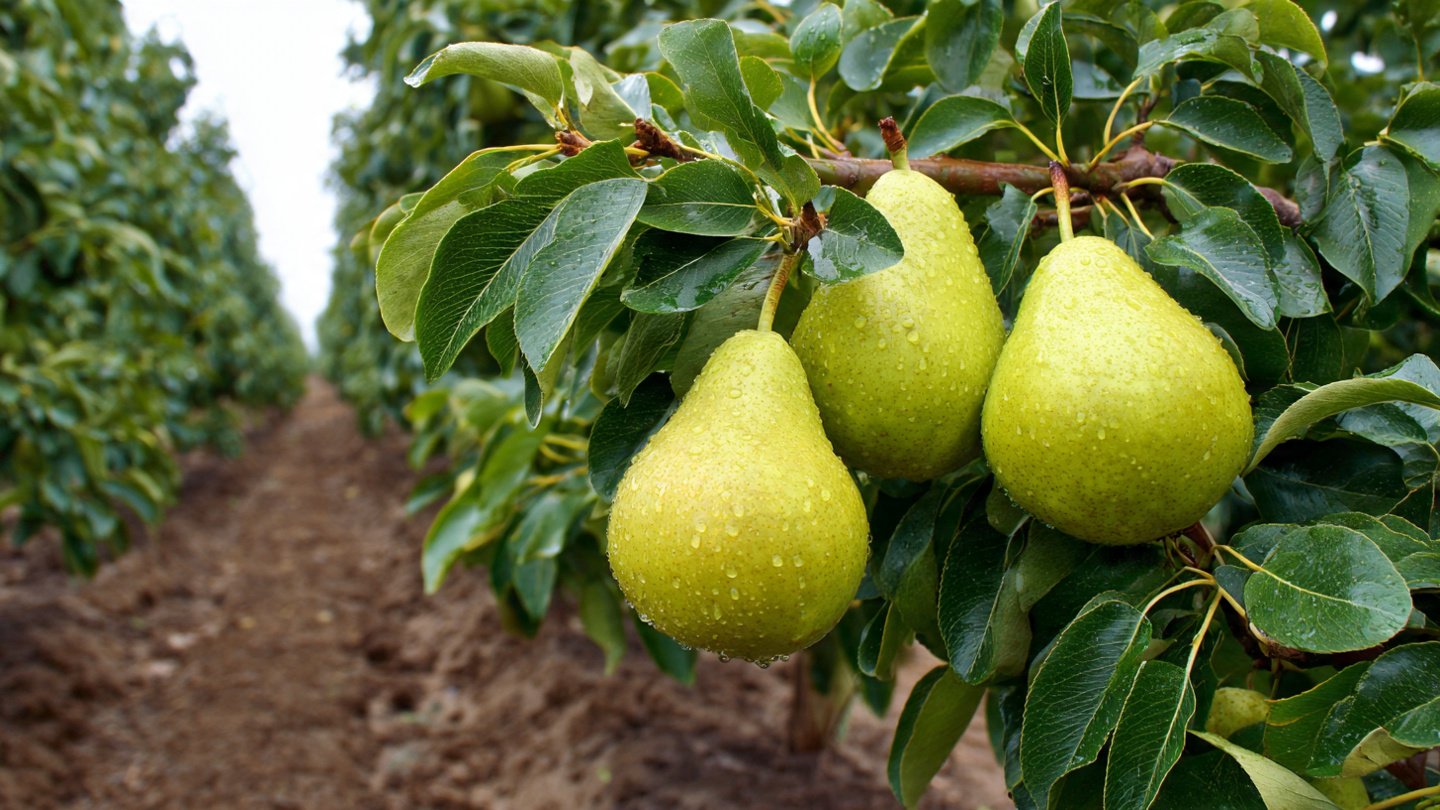
Bartlett pears are a popular variety known for their sweet, juicy flavor and abundant harvests. However, growing these delicious fruits in cold climate regions poses unique challenges. This comprehensive guide will walk you through every step necessary for successfully cultivating Bartlett pears, ensuring a fruitful and rewarding experience even in the chillier parts of the world.
Understanding Bartlett Pears
Latest Posts
- How to Use Invisible Wire for a Stunning Climbing Plant Wall
- Are Your Garden Tools Making Your Plants Sick?
- How to Style a Small Studio with Columnar Cacti
- Why Is My Zucchini Shaped Like a Lightbulb?
- How to Protect Your Fruit From Birds Without Nets
- How to Keep Squirrels Away from Your Fruit Trees
- How to Protect Your Fruit from Birds Without Nets
- Why Biochar Is a Game-Changer for Your Kitchen Garden
- Why Some Rare Cacti Bloom Only One Night a Year
- How to Grow Rare Blue Strawberries at Home
Characteristics of Bartlett Pears
Bartlett pears, also referred to as Williams pears in some countries, are recognized for their classic pear shape, smooth skin, and sweet, buttery flesh. They are typically yellow when ripe but can also show pinkish hues. The fruit is versatile, ideal for fresh eating, canning, or baking.
Climate and Soil Requirements
Bartlett pears thrive best in USDA Hardiness Zones 5 through 8, although they can tolerate colder temperatures down to -20°F (-29°C) for short periods. They prefer well-drained, loamy soils rich in organic matter. The ideal pH for Bartlett pear trees falls between 6.0 and 7.0.
Preparing for Planting
Site Selection
Select a location that receives full sun for at least six to eight hours daily. It’s essential to avoid low-lying areas where frost can settle. A site with good airflow will also help reduce the risk of diseases.
Soil Preparation

Conduct a soil test to determine pH levels and nutrient content. You can amend the soil as necessary by adding lime for acidity or sulfur for alkalinity. Tilling in organic matter, like compost or well-rotted manure, will improve soil structure and fertility.
Choosing the Right Variety
Though the focus is on Bartlett pears, consider grafting multiple pear varieties to enhance pollination. Varieties such as Bosc, Anjou, or Starking can serve as effective pollinators, significantly improving fruit set.
Planting Bartlett Pears
Best Time to Plant
The best time to plant Bartlett pear trees is in early spring or late fall when the trees are dormant. In cold climates, early spring is often preferable as it allows the tree to establish roots before the winter.
Planting Technique
- Digging the Hole: Planting holes should be about twice as wide and just as deep as the root ball.
- Orientation: Position the graft union (swelling where the tree was grafted) above the soil line to prevent rot.
- Watering: After placing the tree in the hole, backfill with soil while ensuring no air pockets are trapped. Water thoroughly to help settle the soil.
Care and Maintenance
Watering

Bartlett pears need consistent moisture, especially during dry spells. A deep watering of about 6-12 inches once a week is usually adequate. Use mulch to retain moisture and reduce competition from weeds.
Fertilization
Fertilization should occur in late winter or early spring. A balanced fertilizer, high in potassium and phosphorus but moderate in nitrogen, is ideal. Follow package instructions for general guidance on quantity.
Pruning
Prune Bartlett pear trees in late winter when they are dormant. Focus on:
- Removing dead or diseased wood
- Encouraging an open center to improve air circulation
- Controlling height and size for easier harvesting
Pest and Disease Management
Common Pests
- Pear Psylla: Insecticidal soap or neem oil can control these pests.
- Codling Moth: Apply traps or introduce beneficial insects like parasitic wasps.
- Aphids: Regularly check for them, and use pesticides or insecticidal soap if necessary.

Diseases
- Fire Blight: A bacterial disease that can severely damage trees; remove infected branches immediately.
- Powdery Mildew: A fungal disease that can be managed through proper spacing and improving airflow.
- Scab: Prevent by applying fungicides during wet, humid periods.
Harvesting Bartlett Pears
Determining Ripeness
Bartlett pears are typically ready to harvest from late summer to early fall, depending on your climate. The color changes from green to a buttery yellow as they ripen. A good test is to gently twist the fruit; if it comes off easily, it’s ripe.
Harvesting Technique
Use a gentle hand to avoid bruising. It’s best to harvest in the morning when temperatures are cooler and the fruit is hydrated.
Storing Bartlett Pears
Bartlett pears ripen off the tree, making them suitable for storage. Store unripe pears at room temperature until they reach desired ripeness. Once ripe, refrigeration can extend their shelf life for a few days.
Frequently Asked Questions (FAQs)
Q1: How long does it take for Bartlett pears to bear fruit?
A: Bartlett pear trees typically start bearing fruit in about 3 to 5 years after planting.
Q2: Do Bartlett pears require a pollinator?
A: While Bartlett pears are self-pollinating, having another variety can improve fruit set and size.
Q3: Can Bartlett pears grow in containers?
A: Yes, dwarf varieties can be grown in containers. Ensure the pot is at least 18-24 inches deep and wide.
Q4: How can I prevent frost damage to my pears?
A: Planting in a well-drained area and using row covers or frost blankets during unexpected frosts can help protect the blossoms.
Q5: Are Bartlett pears resistant to diseases?
A: While Bartlett pears are not the most disease-resistant, proper care, including pruning and pest management, can mitigate issues.
Q6: What soil amendments can improve pear tree health?
A: Incorporating organic matter such as compost or well-rotted manure will improve soil fertility and structure.
Q7: Can I prune Bartlett pear trees during the growing season?
A: It’s best to prune in late winter to avoid stress to the tree; however, you can remove dead or diseased wood at any time.
Q8: How often should I fertilize my Bartlett pears?
A: Fertilize once in early spring and consider a second application in mid-summer, depending on tree health and growth.
Conclusion
Cultivating Bartlett pears in cold climate regions may require some extra effort, but the rewards are abundant. By following this guide, from selecting the right site and soil to maintaining and harvesting your trees, you’ll be well on your way to enjoying sweet, juicy pears right from your backyard. Happy gardening!