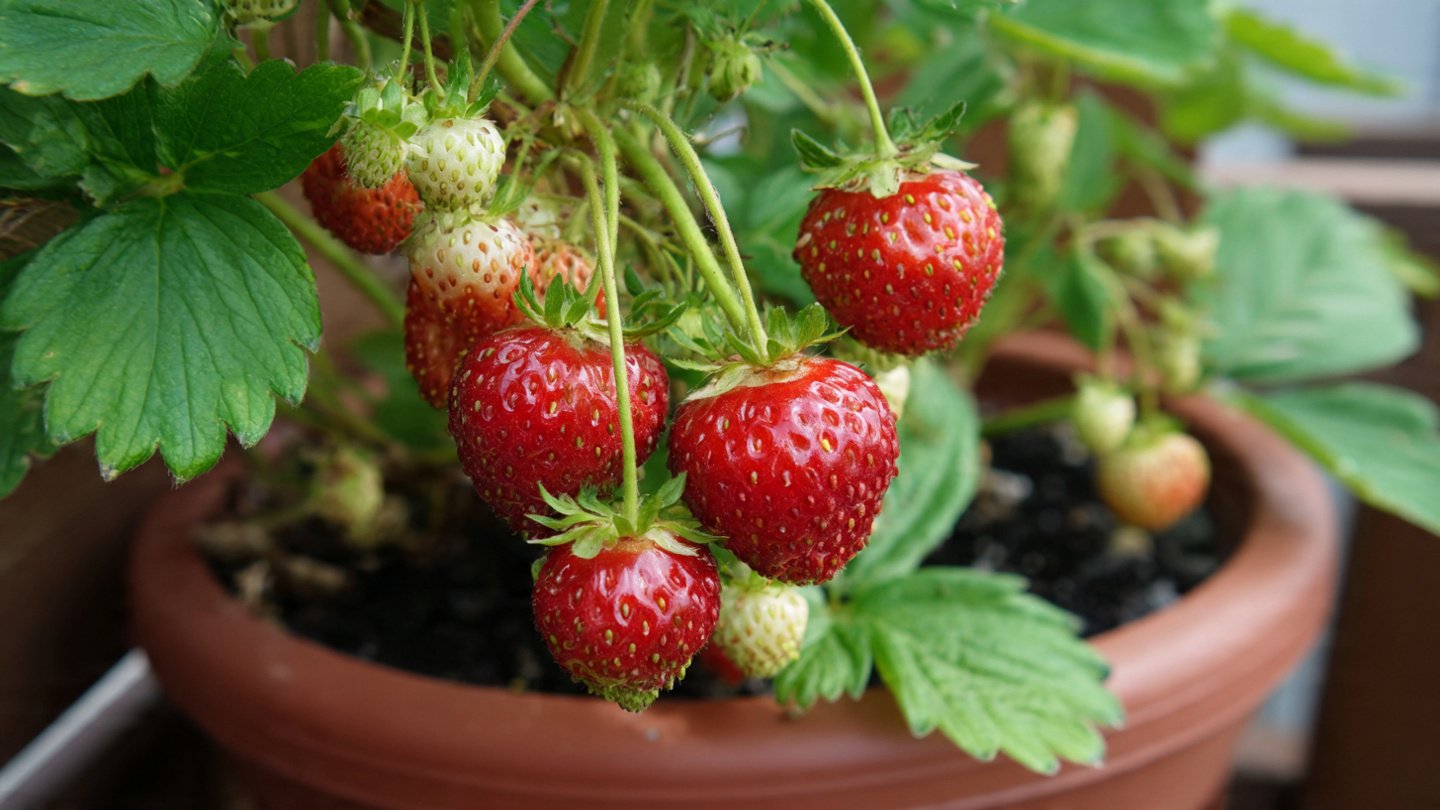
Growing your own strawberries at home can be an incredibly rewarding experience. Not only are fresh strawberries delicious, but they also pack a healthy punch full of vitamins and antioxidants. Discovering how to cultivate these tasty fruits can transform your garden or balcony into a berry paradise. In this article, we will cover everything you need to know, from selecting the right strawberry varieties to ensuring you get a bountiful harvest.
1. Choosing the Right Strawberry Varieties
1.1 June-Bearing Strawberries
Latest Posts
- How to Use Invisible Wire for a Stunning Climbing Plant Wall
- Are Your Garden Tools Making Your Plants Sick?
- How to Style a Small Studio with Columnar Cacti
- Why Is My Zucchini Shaped Like a Lightbulb?
- How to Protect Your Fruit From Birds Without Nets
- How to Keep Squirrels Away from Your Fruit Trees
- How to Protect Your Fruit from Birds Without Nets
- Why Biochar Is a Game-Changer for Your Kitchen Garden
- Why Some Rare Cacti Bloom Only One Night a Year
- How to Grow Rare Blue Strawberries at Home
June-bearing strawberries produce a single large crop each year, typically in late spring to early summer. They are ideal for those looking for a bountiful harvest at once. Popular varieties include ‘Chandler,’ ‘Camarosa,’ and ‘Earliglow.’
1.2 Ever-Bearing Strawberries
Ever-bearing varieties produce strawberries throughout the growing season, making them perfect for home gardeners who wish to enjoy fresh berries over an extended period. Notable options include ‘Quinault’ and ‘Ozark Beauty.’
1.3 Day-Neutral Strawberries
These varieties can fruit continuously as long as conditions are right, independent of day length. Some popular day-neutral varieties include ‘Seascape’ and ‘Albion.’
2. Selecting the Right Location
2.1 Sunlight Requirements
Strawberries need full sun for at least 6 to 8 hours daily to thrive. Choose a location in your garden or yard that receives ample sunlight.

2.2 Soil Preparation
Strawberries prefer slightly acidic soil with a pH of 5.5 to 6.8. Conduct a soil test to determine the pH level. Amend the soil with organic matter, such as compost or well-rotted manure, to improve soil texture and fertility.
2.3 Drainage Considerations
Ensure that your planting site has good drainage; strawberries do not like wet feet. Choose elevated beds or amend clay soils with sand and organic matter to improve drainage.
3. Planting Strawberry Plants
3.1 When to Plant
The best time to plant strawberries is in early spring as soon as the soil is workable or late summer in some climates for fall planting.
3.2 Spacing and Depth
When planting, space strawberry plants about 12 to 18 inches apart to allow ample room for growth. The crown (the part where the leaves meet the roots) should be level with the soil surface. Planting too deep can lead to rotting.
3.3 Watering After Planting
Water the plants thoroughly after planting to help establish the root systems, but ensure not to saturate the soil. Mulching around the plants may help retain moisture.
4. Maintaining Strawberry Plants

4.1 Watering
Strawberries require about 1 to 2 inches of water each week. This amount can be adjusted based on rainfall and temperature. Drip irrigation is ideal, as it minimizes moisture on the foliage, reducing disease risk.
4.2 Fertilizing
Fertilizing should ideally occur in early spring as plants begin to grow. Use a balanced fertilizer such as 10-10-10 or one designed specifically for berries. Follow package instructions to avoid over-fertilization.
4.3 Mulching
Use straw, wood chips, or plastic mulch to keep weeds at bay, conserve moisture, and maintain soil temperature. Mulching also helps prevent soil-borne diseases.
4.4 Pruning
Regularly remove leaves and spent flowers to promote airflow and reduce the risk of fungal diseases. After the harvest, trim away foliage, allowing plants to focus energy on healthy regrowth.
5. Pest and Disease Management
5.1 Common Pests
Strawberries can attract pests such as aphids, spider mites, and tarnished plant bugs. To control pest populations, encourage beneficial insects or use insecticidal soaps.
5.2 Disease Prevention

Diseases such as powdery mildew, gray mold, and root rot can impact strawberry plants. To reduce disease risk, practice crop rotation and proper spacing between plants to enable airflow.
5.3 Organic Control Methods
Consider using organic methods like neem oil or diatomaceous earth to manage pests and diseases while being gentle on the environment.
6. Harvesting Strawberries
6.1 When to Harvest
Strawberries are ready to be harvested when they are fully colored and slightly firm to the touch. A rich red color usually indicates ripeness.
6.2 Harvesting Technique
Use scissors or pruning shears to clip the stem rather than pulling the berries from the plant to avoid damaging the fruit and the plant.
6.3 Storing Strawberries
Store freshly picked strawberries in the refrigerator to prolong their shelf life but consume them within a few days for the best flavor and texture.
7. Extending Your Strawberry Season
7.1 Using Cold Frames
By employing cold frames or row covers, you can extend your growing season. These structures help keep the plants warm during chilly nights.
7.2 Container Gardening
If space is an issue, consider growing strawberries in containers. Ensure pots have drainage holes and use high-quality potting soil for best results.
7.3 Overwintering
In colder climates, protect your plants during winter months by covering them with straw or leaves. This insulation method helps prevent frost damage.
FAQs
Q1: How long does it take to grow strawberries from seeds?
A: Growing strawberries from seeds can take 4-6 weeks for germination, followed by several months until the plants produce fruit. Starting with bare root plants or transplants can yield faster results.
Q2: Why are my strawberries not producing fruit?
A: Lack of fruit may be due to insufficient sunlight, nutrient deficiencies, or overcrowding. Ensuring optimal growing conditions, including proper care, can help improve fruit production.
Q3: How do I know if my strawberries are ready to pick?
A: Strawberries are ready to pick when they are fully red and slightly glossy. If they feel slightly firm but give when pressed, they are ripe and ready for harvest.

Q4: Can I grow strawberries indoors?
A: Yes, you can grow strawberries indoors using pots or hanging baskets. Ensure they receive adequate sunlight (at least 6-8 hours a day) and use a high-quality potting soil.
Q5: What should I do if my strawberry plants are wilting?
A: Wilting can result from underwatering or overwatering. Check the soil moisture; if it’s excessively dry, water the plants. If the roots are soaked, let them dry out and improve drainage.
Q6: Do I need a second strawberry plant for pollination?
A: Most strawberries are self-pollinating, so you don’t need a second plant for fruit production. However, proximity to other plants can improve yields due to cross-pollination.
Conclusion
Growing strawberries at home offers the joy of harvesting delicious fruits while enjoying a fulfilling gardening activity. With careful planning, proper care, and attention to detail, you can create a thriving strawberry patch that provides mouth-watering, fresh berries for you and your family. Enjoy the process of nurturing your plants, and soon you’ll relish the fruits of your labor—all while basking in the delightful taste of strawberries grown with love. Happy gardening!