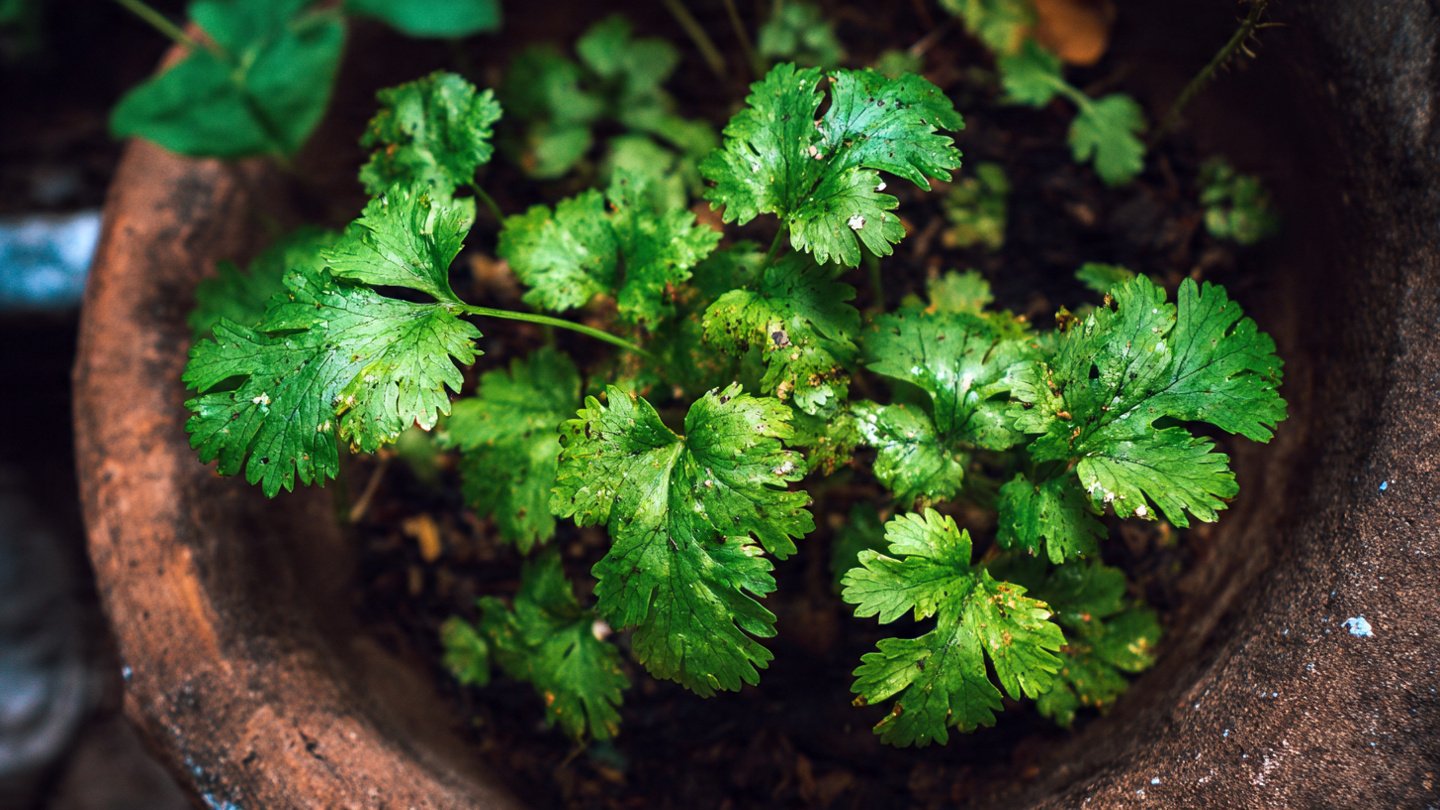
Coriander, also known as cilantro, is a popular herb that adds zest and flavor to a wide variety of dishes. Whether used in salsa, garnished atop tacos, or blended into a fragrant curry, fresh coriander leaves pack a flavorful punch. Growing your own coriander at home can be a rewarding experience, ensuring you have fresh leaves on hand while saving money. This guide provides easy steps to cultivate coriander successfully, ensuring you enjoy its aromatic benefits straight from your garden or kitchen.
Why Grow Coriander?
- How to Use Invisible Wire for a Stunning Climbing Plant Wall
- Are Your Garden Tools Making Your Plants Sick?
- How to Style a Small Studio with Columnar Cacti
- Why Is My Zucchini Shaped Like a Lightbulb?
- How to Protect Your Fruit From Birds Without Nets
- How to Keep Squirrels Away from Your Fruit Trees
- How to Protect Your Fruit from Birds Without Nets
- Why Biochar Is a Game-Changer for Your Kitchen Garden
- Why Some Rare Cacti Bloom Only One Night a Year
- How to Grow Rare Blue Strawberries at Home
- Freshness: There’s nothing quite like the taste of freshly harvested herbs.
- Cost-Effective: Growing your own herbs saves money in the long run.
- Health Benefits: Coriander is rich in vitamins A, C, and K, and contains antioxidants.
- Convenience: Having fresh herbs at your fingertips enhances culinary experiences.
Latest Posts
Step 1: Gathering Your Supplies
To successfully grow coriander, you’ll need the following supplies:
- Seeds: Look for high-quality coriander seeds, available at garden centers or online.
- Pot: A pot with good drainage is essential. A depth of at least 6 to 8 inches works best.
- Soil: Use a well-draining potting mix, preferably organic.
- Water: A watering can or spray bottle for gentle watering.
- Sunlight: A sunny location like a windowsill or balcony.

Step 2: Choosing the Right Location
Coriander prefers a spot with plenty of sunlight. Ideally, it requires:
- Sunlight: 4 to 6 hours of direct sunlight a day.
- Temperature: Coriander grows best in temperatures ranging from 50°F to 75°F (10°C to 24°C).
If you live in a warmer climate, consider providing some afternoon shade to prevent bolting (flowering prematurely).
Step 3: Preparing the Soil
- Fill the Pot: Add your potting mix to the pot, leaving about an inch of space at the top.
- Moisten the Soil: Water the soil lightly before planting to ensure it’s damp, not soaking wet.
Step 4: Planting the Seeds
- Planting Depth: Sow coriander seeds about 0.5 inches deep.
- Spacing: Space the seeds about 2 inches apart. This helps to prevent overcrowding as they grow.
Once planted, gently cover the seeds with soil and pat it down lightly.
Step 5: Watering
Water the seeds lightly but regularly. Aim to keep the soil consistently moist, but not soggy. As the seedlings emerge, usually within 7 to 14 days, adjust your watering schedule based on the moisture levels of the soil.
Step 6: Maintenance and Care
- Thinning: Once seedlings reach about 2 inches tall, thin them out to ensure proper spacing. Remove weaker plants and leave the strongest ones.
- Fertilization: While coriander doesn’t require heavy feeding, you can apply a diluted, balanced fertilizer every few weeks to promote strong growth.
- Pest Control: Keep an eye out for pests like aphids and spider mites. Natural remedies, such as neem oil, can help manage infestations.
Step 7: Harvesting
You can begin harvesting coriander leaves once the plants are about 6 inches tall, usually around 3 to 4 weeks after planting:
- Cutting Leaves: Use clean scissors to cut leaves just above the stem. This encourages further growth.
- Timing: It’s best to harvest in the morning when essential oils are most concentrated, enhancing the flavor.
Common Problems and Solutions
- Bolting: If your coriander starts to flower, it may be stressed by heat. Provide shade and ensure adequate watering.
- Leggy Plants: This usually indicates insufficient light. Move your pot to a brighter location.
- Root Rot: Caused by overwatering, ensure your pot has drainage and let the soil dry out between waterings.
Step 8: Storing Coriander
If you’ve harvested more leaves than you can use, here are some storage tips:
- Refrigeration: Store fresh coriander in a damp paper towel in a zippered bag. This keeps it fresh for about a week.
- Freezing: Wash, chop, and freeze coriander in ice cube trays with a bit of water or broth. This will keep them usable for months.
FAQs
1. Can I grow coriander indoors?
Yes! Coriander can thrive indoors as long as it receives sufficient sunlight (about 4 to 6 hours) and is planted in well-draining soil.
2. How often should I water coriander?
Water coriander when the top inch of soil feels dry. Keep the soil consistently moist, but avoid waterlogging.
3. Why are my coriander plants wilting?
Wilting may indicate overwatering or underwatering. Check the soil moisture and adjust your watering accordingly.
4. How long does it take coriander to grow?
Typically, coriander takes about 3 to 4 weeks to be ready for harvesting after planting.
5. Can I use store-bought coriander seeds?
Yes, but ensure they are untreated, as some store-bought seeds may be coated with chemicals.
6. What should I do if my coriander starts to flower?
While flowering is natural, it can signal that the plant is stressed. If you want to prolong leaf production, trim off flower buds and ensure the plant has enough water and shade.
7. Is coriander an annual or perennial?
Coriander is typically grown as an annual plant, completing its life cycle in one growing season before needing to be replanted.
8. Can I grow coriander from cuttings?
Coriander does not propagate well from cuttings. It’s best to grow from seeds for optimum results.
Conclusion
Growing your own coriander leaves is a delightful and beneficial endeavor. With just a few easy steps, you can cultivate this flavorful herb at home, enriching your culinary creations and elevating your gardening skills. Follow this simple guide, and soon you’ll be enjoying the taste of fresh coriander at your table. Happy gardening!