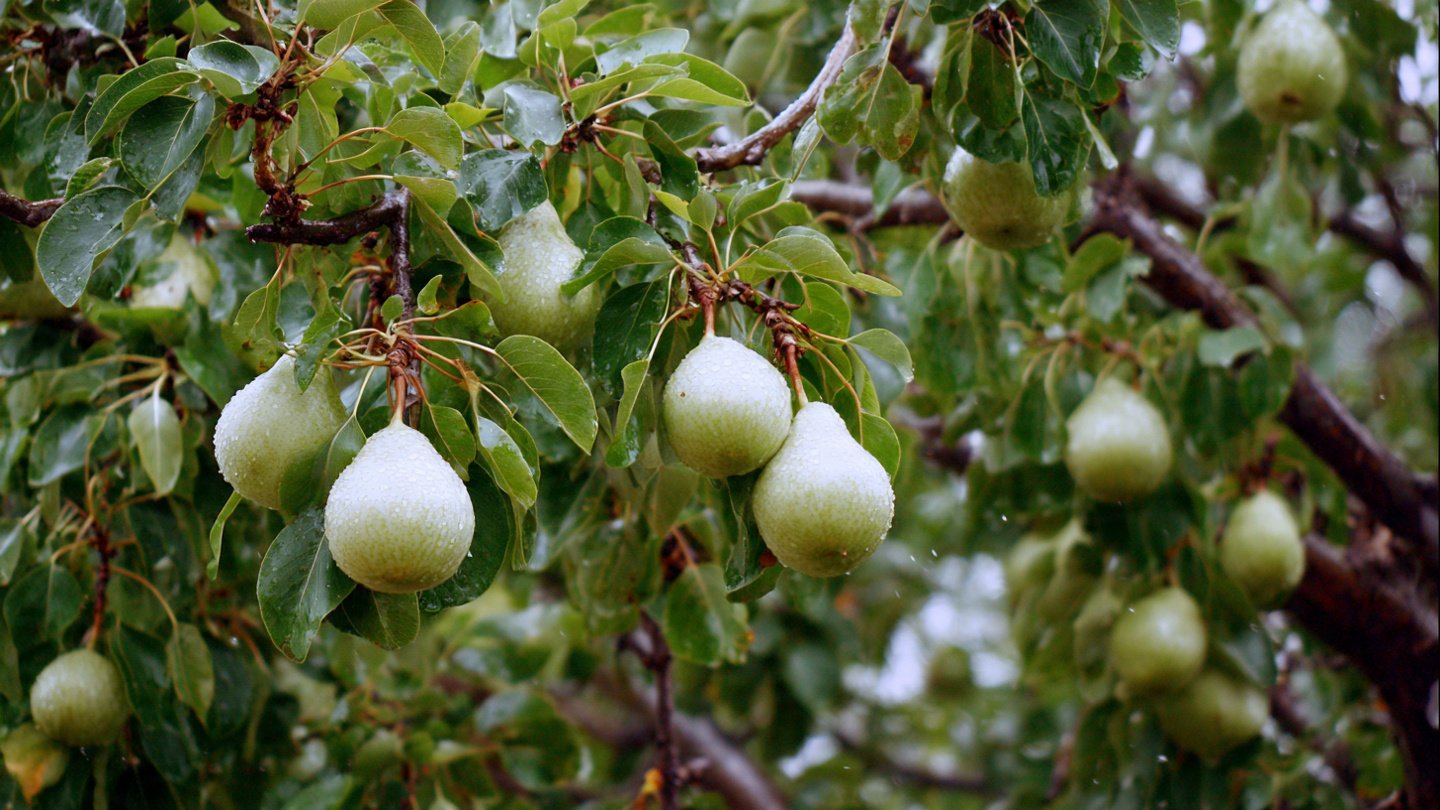
Growing pear trees in Canada can be a rewarding experience, offering not only delicious fruits but also beautiful spring blooms and vibrant fall foliage. However, the Canadian climate presents unique challenges and opportunities for cultivating healthy pear trees. This guide will delve into everything you need to know about growing pear trees in Canada, from selecting the right varieties to maintaining the health of your trees.
Understanding Canadian Climate Conditions
Canada boasts a diverse range of climates, from the humid continental regions in the east to the milder maritime climates in the west. Pear trees, particularly the European and Asian varieties, generally prefer temperate climates with well-defined seasons. Here’s a brief overview of the climate zones relevant to pear tree cultivation:
Latest Posts
- How to Use Invisible Wire for a Stunning Climbing Plant Wall
- Are Your Garden Tools Making Your Plants Sick?
- How to Style a Small Studio with Columnar Cacti
- Why Is My Zucchini Shaped Like a Lightbulb?
- How to Protect Your Fruit From Birds Without Nets
- How to Keep Squirrels Away from Your Fruit Trees
- How to Protect Your Fruit from Birds Without Nets
- Why Biochar Is a Game-Changer for Your Kitchen Garden
- Why Some Rare Cacti Bloom Only One Night a Year
- How to Grow Rare Blue Strawberries at Home
- Hardiness Zones: Most pear trees thrive in USDA hardiness zones 4 to 8, depending on the variety.
- Temperature and Frost: Canadian winters can be harsh, leading to frost damage, especially on young trees. Understanding frost dates is essential for successful planting and care.
- Precipitation: Most pear trees require about 30 inches of water a year. Depending on your area, you may need to supplement with irrigation.
Choosing the Right Pear Varieties
Selecting the right varieties of pear trees is crucial for success. Some varieties are more resilient to cold temperatures and are better suited to Canadian climates. Here are a few recommendations:
European Pears
-
Bosc: Known for its russet skin and creamy texture. Bosc pears are hardy and can withstand colder climates, making them ideal for Canadian gardeners.
-
Bartlett: One of the most popular varieties, Bartlett pears thrive in cooler climates and are known for their sweet taste.
-
Anjou: This variety is versatile and can be eaten fresh or used for canning. It also handles colder temperatures quite well.

Asian Pears
-
Shinko: This variety is exceptionally hardy and can withstand severe winters, making it a great choice for colder regions in Canada.
-
Hosui: Known for its crisp and juicy texture, Hosui is also quite resistant to diseases, making it a low-maintenance choice.
Preparing the Planting Site
Location
Select a site that receives full sunlight for at least six hours a day. Pear trees thrive under direct sunlight, which helps promote healthy growth and fruit production.
Soil
Pear trees prefer:
- Well-drained soil: Ensure your soil has good drainage to prevent root rot.
- pH level: Aim for a soil pH between 6.0 and 7.0. Conduct a soil test to determine the pH and amend it accordingly.
Planting Time
The best time to plant pear trees in Canada is in the spring after the last frost or in the fall. Avoid planting during extreme heat or cold snaps.

Planting Pear Trees
Step-by-Step Process
-
Dig the Hole: The planting hole should be twice as wide and just as deep as the root ball of your tree.
-
Add Organic Matter: Incorporate well-rotted compost or aged manure into the soil to improve fertility.
-
Position the Tree: Place the tree in the center of the hole, ensuring that the graft union (where the rootstock meets the tree) is above soil level.
-
Backfill the Hole: Gently pack the soil around the roots to eliminate air pockets. Water the tree well after planting.
-
Mulch: Apply a 3-inch layer of mulch around the base to conserve moisture and control weeds.
Caring for Pear Trees
Watering
- Initial watering: Water newly planted trees deeply once a week, especially during the first growing season.
- Established trees: Provide about an inch of water per week during dry spells.
Fertilizing
- Nutrient Requirements: Use a balanced fertilizer in early spring. Avoid over-fertilizing, as this can lead to excessive leaf growth at the expense of fruit.

Pruning
- Timing: Conduct pruning in late winter before the buds swell.
- Method: Focus on removing dead or damaged wood, thinning crowded branches, and shaping the tree for better air circulation.
Pest and Disease Management
-
Common Pests:
- Pear Psylla: Utilize insecticidal soaps or neem oil for control.
- Codling Moth: Implement pheromone traps to monitor and reduce populations.
-
Diseases:
- Fire Blight: Prune affected branches during dry weather. Fungal sprays can prevent the spread.
- Powdery Mildew: Ensure good airflow by proper pruning and consider fungicide treatments if symptoms appear.
Harvesting Pears
-
When to Harvest: Most pears are harvested just before they are fully ripe. Check for maturity by gently twisting the fruit; if it comes off easily, it’s ready to pick.
-
Storage Tips: Pears continue to ripen after being picked. Store them in a cool, dark place or refrigerate them to extend shelf life.
Winter Care
Protecting pear trees during winter is essential, especially in colder climates. Here are some tips:
-
Mulching: A thicker layer of mulch around the base can insulate roots against freezing temperatures.
-
Wrapping: Consider wrapping young trees with burlap or using tree guards to protect against rodent damage.
-
Watering: Check moisture levels during dry winter spells. Deep watering before the ground freezes can help.
FAQs
1. What is the best time of year to plant pear trees in Canada?
Spring (after the last frost) and early fall are the best times for planting pear trees in Canada.
2. How much sun do pear trees need?
Pear trees require full sun for at least 6 hours a day to thrive and produce fruit.
3. Can I grow pear trees in containers?
Yes, you can grow pear trees in containers, but ensure they are large enough and provide adequate drainage and protection during winter.
4. How often should I water my pear trees?
Newly planted trees should be watered once a week deeply, while established trees need about 1 inch of water per week during dry spells.
5. What pests should I watch for?
Common pests include the pear psylla and codling moth. Regular monitoring and management are essential for preventing infestation.
6. Are pear trees self-pollinating?
Most pear varieties are not self-pollinating. Planting at least two different varieties can enhance fruit production through cross-pollination.
7. How do I know when my pears are ripe?
Pears are typically harvested just before they are fully ripe. Check for maturity by twisting the fruit; if it comes off easily, it’s ready for picking.
Conclusion
Growing pear trees in Canada may require some tenacity and knowledge, but the rewards are well worth the effort. With the right variety, proper care, and diligence in pest and disease management, you can enjoy a bountiful harvest of pears for years to come. Whether you aim to create an orchard or simply grow a few fruit-bearing trees in your backyard, following the guidelines shared in this guide will set you on the path to success. Happy gardening!