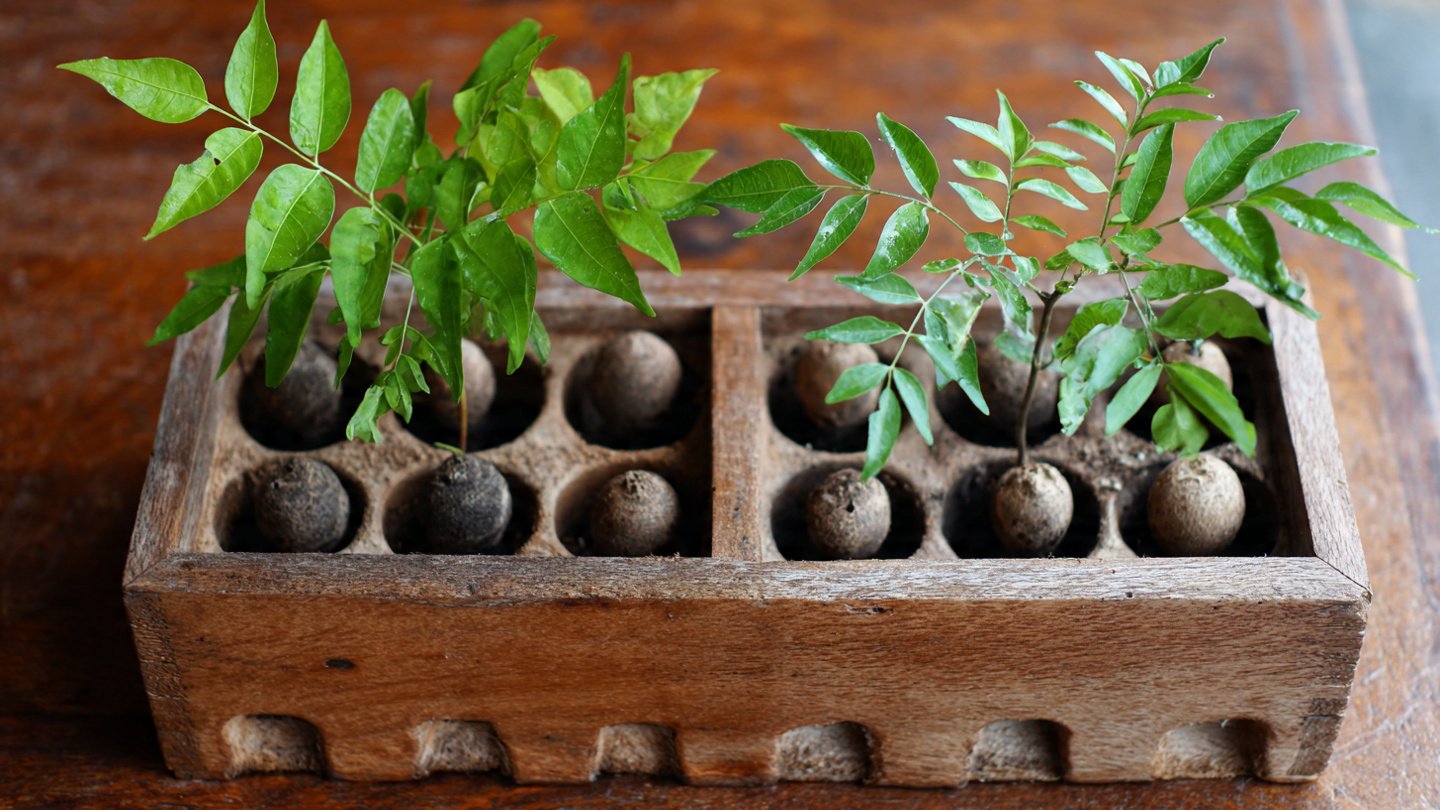
Growing curry leaf plants (Murraya koenigii) at home is a rewarding endeavor for gardening enthusiasts and culinary aficionados alike. The distinct flavor of fresh curry leaves can significantly enhance various dishes, making it a staple in many Indian and Southeast Asian recipes. Not only do these plants offer aromatic leaves for cooking, but they also add a lush, tropical aesthetic to your garden. In this article, we will explore how to grow curry leaf plants from seeds, covering everything from seed selection to common challenges, along with a FAQs section to answer your burning questions.
Understanding the Curry Leaf Plant
The curry leaf plant is a small tree that can reach heights of up to 6 feet. Its leaves are bright green and have a unique aromatic quality, making them a vital ingredient in many cuisines. The tree is native to tropical regions of India, and it thrives in warm, humid climates. While generally a hardy plant, the curry leaf thrives best in conditions that mimic its native environment.
Latest Posts
- How to Use Invisible Wire for a Stunning Climbing Plant Wall
- Are Your Garden Tools Making Your Plants Sick?
- How to Style a Small Studio with Columnar Cacti
- Why Is My Zucchini Shaped Like a Lightbulb?
- How to Protect Your Fruit From Birds Without Nets
- How to Keep Squirrels Away from Your Fruit Trees
- How to Protect Your Fruit from Birds Without Nets
- Why Biochar Is a Game-Changer for Your Kitchen Garden
- Why Some Rare Cacti Bloom Only One Night a Year
- How to Grow Rare Blue Strawberries at Home
Benefits of Growing Curry Leaves
-
Fresh Flavors: Fresh curry leaves possess a more vibrant flavor compared to dried ones, making them far superior for culinary uses.
-
Nutritional Value: Curry leaves are rich in antioxidants, vitamins, and minerals, providing health benefits beyond their culinary uses.
-
Aesthetic Appeal: The dense foliage and fragrant leaves add beauty to your garden.
-
Easy to Grow: With the right techniques, growing curry leaves from seeds can be straightforward, even for novice gardeners.
Steps to Grow Curry Leaf Plants from Seeds

1. Select Quality Seeds
The first step to growing healthy curry leaf plants is to source high-quality seeds. You can find seeds at local nurseries, garden centers, or reputable online retailers. Ensure that the seeds are fresh and have not been treated with pesticides or chemicals, which can affect germination.
2. Prepare the Seeds
Before planting, prepare the seeds for germination. Soak the seeds in warm water for 24 to 48 hours. This process helps to soften the seed coat, facilitating easier germination. After soaking, you may choose to scarify the seeds by gently rubbing them with sandpaper. This step can further enhance germination rates.
3. Choose the Right Location
Curry leaf plants require a warm climate to thrive, so selecting the right location is crucial. Ideally, the plants need:
- Sunlight: At least 6-8 hours of direct sunlight daily.
- Protection from Wind: Mature curry plants can withstand wind, but seedlings need protection to avoid damage.
4. Prepare the Soil
Curry leaf plants prefer well-draining soil. A mixture of potting soil, sand, and compost works wonderfully. The soil should be rich, with a slightly acidic to neutral pH (around 6.0 to 7.0). Ensure that you have a pot with drainage holes if you’re planting in containers.
5. Plant the Seeds
Once your seeds have been prepared, it’s time to plant them:

- Depth: Plant the seeds about 1 inch deep in the soil.
- Spacing: If planting multiple seeds, space them about 1-2 feet apart to allow room for growth.
- Water: Lightly water the seeds, keeping the soil moist but not soggy.
6. Germination
Germination typically takes 2 to 3 weeks, but it can vary depending on environmental conditions. Keep the soil moist and maintain a warm temperature (around 70°F to 85°F) for optimal germination. Consider covering the pot with plastic wrap or a greenhouse dome to retain humidity.
7. Transplanting Seedlings
Once seedlings reach about 4-6 inches in height and have developed several leaves, they can be transplanted into larger pots or directly into your garden if the climate permits. Be mindful of transplant shock; handle the seedlings carefully during this process.
8. Care and Maintenance
Watering
Curry leaf plants prefer consistently moist soil but do not tolerate waterlogging. Water the plants regularly, allowing the top inch of soil to dry out between waterings. During hot summers, you might need to increase watering frequency.
Fertilizing
Feed your curry leaf plants with a balanced, water-soluble fertilizer every month during the growing season (spring and summer). You can switch to a nitrogen-rich fertilizer during the active growing phase to promote lush foliage.

Pruning
Pruning is essential to encourage bushy growth. Pinch off the tips of young plants to promote branching. You can also remove any dead or yellowing leaves to keep the plant healthy.
9. Pest Management
Curry leaf plants are generally hardy but can be susceptible to pests like aphids and spider mites. Use organic insecticidal soap or neem oil to treat infestations. Regularly inspect the plants for signs of pests.
10. Harvesting
Typically, you can start harvesting leaves from your plant once it matures, which usually takes about 1-2 years. Always pick leaves in the morning when the essential oils are most concentrated for the best flavor. Use scissors to snip the leaves, which helps to avoid damaging the plant.
Common Challenges
1. Slow Germination
Germination can be slow if the seeds are old or stored incorrectly. Always use fresh seeds and provide the right environmental conditions.
2. Leaf Drop
Leaf drop can occur due to overwatering, underwatering, or sudden temperature fluctuations. Ensure that you’re consistent with watering and protect young plants from temperature extremes.

3. Pests
Keep a close watch for aphids and whiteflies. Regular inspection and early treatment can keep these pests under control.
4. Root Rot
Root rot can happen if the soil is too compact or retains too much water. Make sure your pot has good drainage and the soil is well-aerated.
FAQs
1. Can I grow curry leaf plants indoors?
Yes, curry leaf plants can be grown indoors as long as they receive enough sunlight. A south-facing window is ideal.
2. How long does it take for curry leaves to grow from seeds?
Typically, it takes about 2 to 3 weeks for seeds to germinate and about 1-2 years for plants to reach maturity suitable for harvesting.
3. How often should I water my curry leaf plant?
Water your curry leaf plant when the top inch of soil dries out. This usually translates to watering once a week but may vary with weather conditions.
4. Do curry leaf plants require fertilization?

Yes, curry leaf plants benefit from regular fertilization during the growing season to ensure healthy growth and abundant foliage.
5. Can I propagate curry leaf plants from cuttings instead of seeds?
Yes, you can propagate curry leaf plants from cuttings, but seeds tend to have a higher success rate and are easier to manage for beginners.
6. What temperature do curry leaf plants prefer?
Curry leaf plants thrive in warm climates, ideally in temperatures between 70°F to 85°F.
7. Are there any pests to watch out for?
Yes, common pests include aphids and spider mites. Regular inspections can help manage any infestations early.
Conclusion
Growing curry leaf plants from seeds can be a delightful experience, offering not only fresh flavors for your dishes but also a touch of tropical beauty to your garden. With the right care, you can enjoy the aromatic leaves of this versatile plant year-round. Whether you’re a culinary aficionado or a gardening novice, following these guidelines will set you on the path to successful curry leaf cultivation at home. Start your journey today and indulge in the rich tastes of homegrown curry leaves!