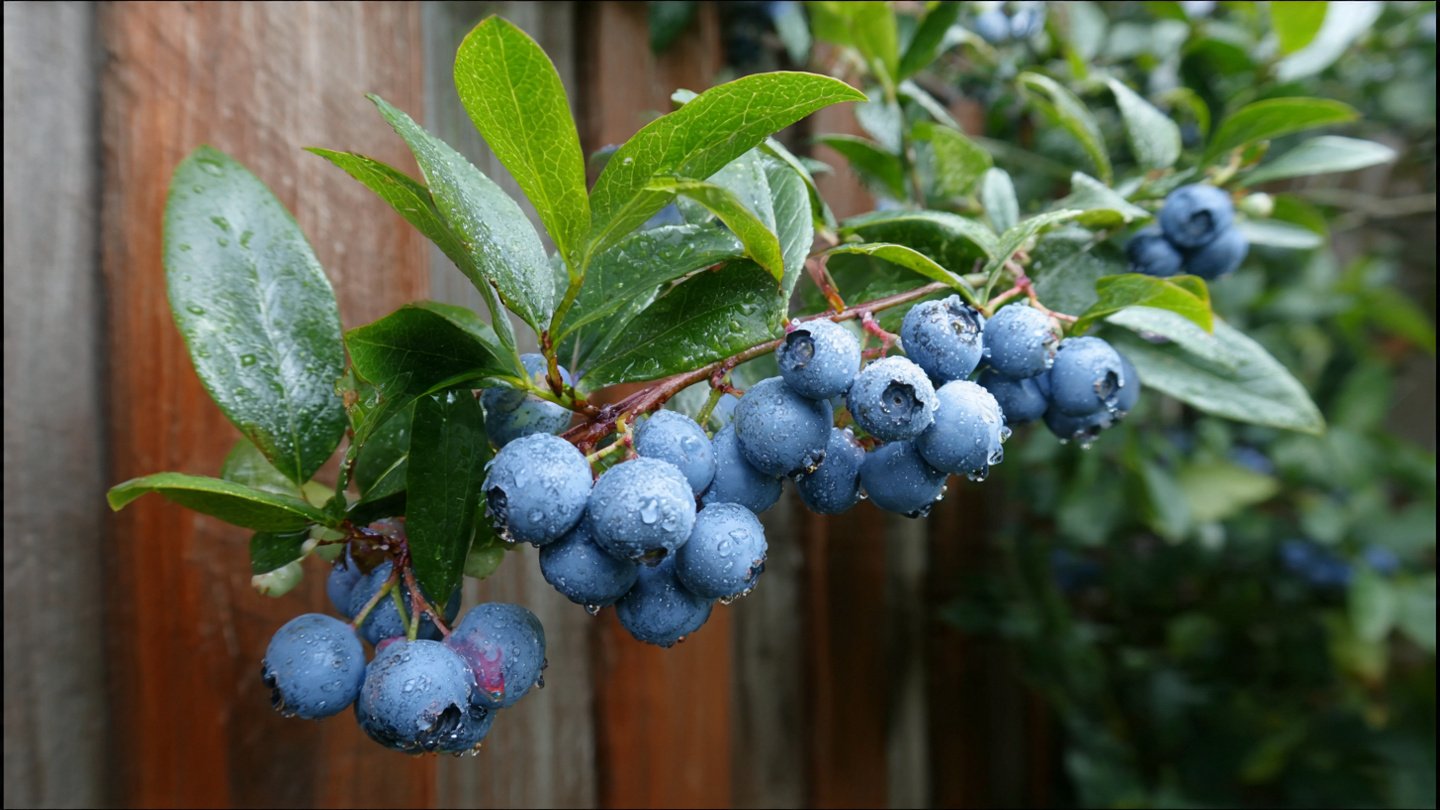
Growing blueberries at home can be an incredibly rewarding endeavor. Not only do they provide delicious and nutritious fruits, but they also enhance your garden’s aesthetic appeal with their vibrant colors and attractive foliage. Despite the common belief that blueberry cultivation requires specialized knowledge and complex techniques, it can actually be quite simple—especially if you follow some easy hacks. This article will explore the essential steps, tips, and tricks to successfully grow blueberries in your backyard without the headaches.
1. Understanding Blueberries
Before diving into the growth process, it’s crucial to understand what blueberries are and the types of varieties you might consider for your home garden. Blueberries belong to the genus Vaccinium and are perennials that thrive in various conditions. There are three main types of blueberries:
Latest Posts
- How to Use Invisible Wire for a Stunning Climbing Plant Wall
- Are Your Garden Tools Making Your Plants Sick?
- How to Style a Small Studio with Columnar Cacti
- Why Is My Zucchini Shaped Like a Lightbulb?
- How to Protect Your Fruit From Birds Without Nets
- How to Keep Squirrels Away from Your Fruit Trees
- How to Protect Your Fruit from Birds Without Nets
- Why Biochar Is a Game-Changer for Your Kitchen Garden
- Why Some Rare Cacti Bloom Only One Night a Year
- How to Grow Rare Blue Strawberries at Home
-
Highbush Blueberries: These are the most commonly cultivated varieties. They grow between 4 to 6 feet tall and require more care, particularly regarding soil pH.
-
Lowbush Blueberries: Typically found in the wild, these varieties are smaller and spread more widely. They are generally more resilient and can thrive in less-than-ideal conditions, making them easier for beginners.
-
Rabbiteye Blueberries: Popular in the southern United States, these need cross-pollination, meaning you’ll need to plant multiple varieties for optimal yield.
2. Choosing the Right Location
The next step is choosing the right location for your blueberry plants. Blueberries thrive in full sunlight, requiring at least six to eight hours of sunlight daily. Here are some tips for selecting the ideal spot:
-
Avoid Shade: Ensure that your chosen area isn’t shaded by trees or buildings, as blueberries require ample sunlight to produce fruit.
-
Good Drainage: Blueberries don’t like “wet feet.” Choose a spot with well-draining soil to avoid root rot.
-
Air Circulation: Ensure that your garden has good air circulation to keep plants healthy and avoid diseases.

3. Soil Preparation
One of the most critical factors in growing blueberries is soil preparation. Here’s how to easily prepare the soil:
-
pH Levels: Blueberries thrive in acidic soil with a pH between 4.5 to 5.5. Test your soil using a simple pH test kit. If your soil is too alkaline, you can amend it by adding sulfur or peat moss.
-
Organic Matter: Incorporate organic matter, such as compost or well-rotted pine bark, into the soil. This improves soil structure and provides essential nutrients.
-
Raised Beds: If your soil isn’t ideal, consider planting blueberries in raised beds filled with the appropriate soil mix. This will allow you to control the soil conditions more easily.
4. Choosing the Right Varieties
Selection of the right varieties is crucial for successful growth:
-
Disease Resistance: Opt for varieties that are resistant to common diseases and pests.
-
Chill Hours: Some blueberries require a certain amount of cold weather (or “chill hours”) to produce fruits. Make sure to choose varieties suited for your climate.
-
Cross-Pollination: To maximize fruit production, plant at least two different varieties that bloom at the same time for effective cross-pollination.

5. Planting Blueberries
Once you’ve prepared the soil and selected your varieties, it’s time to plant:
-
Spacing: Plant highbush varieties about 4-6 feet apart to allow for proper growth. For lowbush varieties, space them around 2-3 feet apart.
-
Planting Depth: Dig a hole that is twice as wide and just as deep as the root ball. Set the plant in the hole and fill it with the amended soil. Make sure the crown of the plant is level with the surface of the soil.
-
Watering: After planting, water thoroughly to settle the soil around the roots. This is crucial for the plant’s establishment.
6. Watering and Feeding
Blueberries require consistent moisture, especially during the growing season. Here’s a simple watering guide:
-
Mulching: Apply a thick layer of mulch (2-4 inches) around the base of the plants. This helps retain moisture, suppress weeds, and maintain a stable soil temperature.
-
Regular Watering: Blueberries need about an inch of water per week, either from rainfall or irrigation. Use drip irrigation or soaker hoses to provide moisture directly to the root zone.
-
Fertilization: Use an acidic fertilizer specifically formulated for blueberries. Fertilize in early spring before new growth begins, and again in early summer if needed.

7. Pruning
Pruning might seem complicated, but it’s relatively easy and essential for plant health and production. Here are some straightforward ways to prune:
-
Yearly Maintenance: In the winter or early spring, remove any dead or diseased branches. This opens up the center of the plant for better air circulation.
-
Shape the Plant: Cut back long, leggy growths to encourage bushiness. Aim to have a well-balanced shape.
-
Focus on New Growth: Use the first two years for establishing the root system and avoid heavy pruning. After that, target the older wood, as blueberries produce the most fruit on new growth.
8. Pest and Disease Management
Monitoring for pests and diseases is vital to successful blueberry cultivation. Here are some easy hacks for keeping them at bay:
-
Natural Predators: Encourage beneficial insects like ladybugs and lacewings in your garden, as they help keep pests in check.
-
Regular Checks: Regularly inspect your plants for signs of aphids, spider mites, and diseases like powdery mildew. Early detection can prevent severe damage.
-
Neem Oil: For infestations, apply neem oil or insecticidal soap, both of which are safe and effective options for mitigating issues.
9. Harvesting Blueberries

Once your blueberries begin to ripen, it’s time to enjoy the fruits of your labor:
-
Ripeness Check: Blueberries are ready to harvest when they turn a deep blue color with a slight dullness (suggesting they are ripe).
-
Gentle Handling: Use a gentle touch to avoid squashing the berries. Pick ripe berries by hand, ensuring you don’t disturb unripe fruit.
-
Frequency: Continually harvest your blueberries every few days until the season ends, as they generally ripen over a period of weeks.
10. Winter Care
Preparing your blueberries for winter is essential, especially in colder climates:
-
Mulch Again: Add an extra layer of mulch around the base to protect the roots from freezing temperatures.
-
Covering Plants: For very cold areas, consider covering young plants with burlap or frost cloth to shield them from harsh elements.
Conclusion
Growing blueberries at home doesn’t have to be a complicated process. By following these easy hacks—from soil preparation to pest management—you can enjoy a bountiful harvest without the headaches associated with more intricate gardening techniques. With the right approach, you’ll have fresh blueberries right in your backyard to enjoy!
FAQs

1. How long does it take for blueberry plants to produce fruit?
Blueberry plants typically begin to produce fruit in 2-3 years after planting, though some may not reach full production until 4-6 years.
2. Can I grow blueberries in containers?
Yes! Blueberries thrive in containers as long as they have acidic soil and proper drainage. Choose a large pot (at least 5 gallons) for best results.
3. What is the best fertilizer for blueberries?
Use an acidic fertilizer specifically designed for blueberries or those labeled for acid-loving plants. Avoid high-nitrogen fertilizers, as they can harm the plants’ health.
4. How often should I water blueberries?
Blueberries need about an inch of water per week. Regular watering is crucial, especially during flowering and fruiting seasons.
5. Do I need more than one variety of blueberry?
To maximize fruit production, it’s beneficial to plant at least two different varieties for cross-pollination, as many types produce better yields when cross-pollinated.
With these guidelines, you’re now equipped to grow delicious blueberries in the comfort of your own home. Happy gardening!