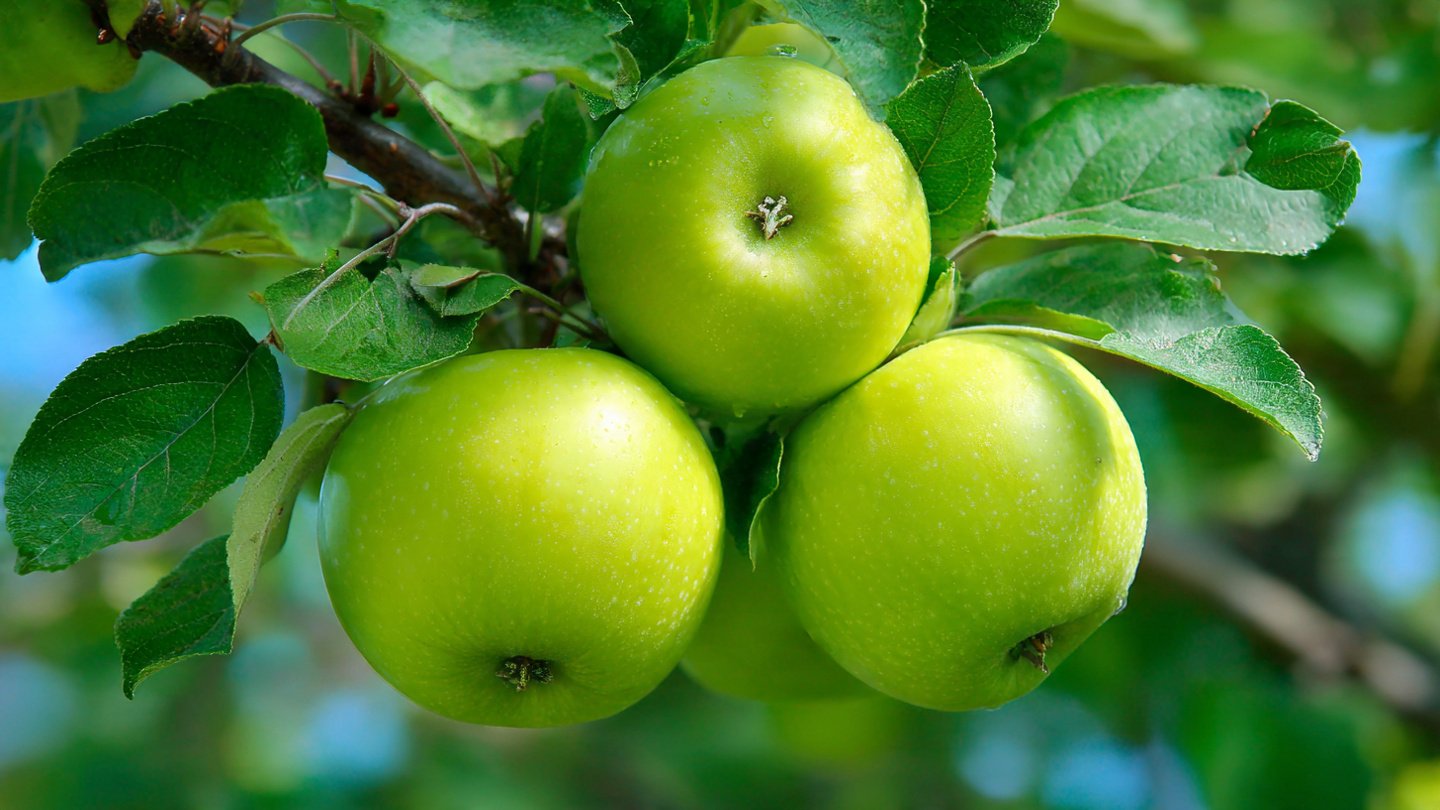
If you’re an apple enthusiast or simply looking to enhance your backyard with a fruitful tree, Granny Smith apple trees (Malus domestica ‘Granny Smith’) are an excellent choice. Known for their vibrant green skin, crisp texture, and tart flavor, these apples are a favorite for baking, cooking, and fresh eating. This guide will cover everything you need to know to successfully cultivate Granny Smith apple trees in your backyard, from planting and care to pest management and harvesting.
Understanding Granny Smith Apples
Granny Smith apples originated in Australia in the 1860s and have since become a staple variety globally. Their unique tartness makes them perfect for pies, salads, and cider, while their firm flesh holds up well during cooking. These apples are typically harvested in late September to early October, making them a popular choice for fall gardening.
Benefits of Growing Granny Smith Apple Trees
- Delicious Taste: The tart flavor of Granny Smith apples is beloved by many, providing versatility in culinary applications.
- Extended Harvest Season: These apples can be stored for several months, allowing you to enjoy them well into the winter.
- Low Maintenance: Once established, Granny Smith trees tend to be relatively low maintenance, making them suitable for novice gardeners.
- Pollinator-Friendly: Apple trees attract a variety of pollinators, contributing to a healthier garden ecosystem.
Site Selection and Soil Preparation
Choosing the Right Location
Granny Smith apple trees thrive in full sunlight, so select a location that receives at least 6 to 8 hours of direct sunlight each day. Well-draining soil is crucial, as apple trees are prone to root rot in overly wet conditions. Aim for a site that is slightly elevated to prevent excess water from accumulating.
Soil Requirements
Granny Smith apples prefer slightly acidic soil with a pH between 6.0 and 6.8. Conduct a soil test to assess drainage, pH, and nutrient levels. If your soil is too alkaline, consider amending it with sulfur or compost. Incorporating organic matter such as well-rotted manure can improve soil structure and nutrient content.

Choosing Your Tree
You can purchase Granny Smith apple trees from nurseries in various forms, including:
Latest Posts
- How to Use Invisible Wire for a Stunning Climbing Plant Wall
- Are Your Garden Tools Making Your Plants Sick?
- How to Style a Small Studio with Columnar Cacti
- Why Is My Zucchini Shaped Like a Lightbulb?
- How to Protect Your Fruit From Birds Without Nets
- How to Keep Squirrels Away from Your Fruit Trees
- How to Protect Your Fruit from Birds Without Nets
- Why Biochar Is a Game-Changer for Your Kitchen Garden
- Why Some Rare Cacti Bloom Only One Night a Year
- How to Grow Rare Blue Strawberries at Home
- Bare-root Trees: Often less expensive and easier to plant, they should be planted while dormant.
- Potted Trees: More expensive but can be planted anytime during the growing season.
Select a tree that is resistant to common diseases and pests and has a healthy root system and foliage. Ideally, you should choose grafted trees, which are often more robust and produce earlier yields.
Planting Your Granny Smith Apple Tree
Planting Time
The best time to plant Granny Smith apple trees is in early spring or late fall when the soil is workable but the tree is still dormant.
Planting Process
- Digging the Hole: Create a hole that is twice as wide and as deep as the root ball.
- Preparing the Tree: Remove the tree from its pot or unpack the bare-root tree. Trim any damaged roots.
- Positioning the Tree: Place the tree in the center of the hole and ensure the graft union (the swollen area where the tree is grafted onto the rootstock) is above soil level.
- Backfilling the Hole: Fill the hole with the original soil, gently tamping it down to eliminate air pockets.
- Watering: Once planted, give the tree a deep watering to help settle the soil around the roots.
Mulching
Apply a 3 to 4-inch layer of mulch around the base of the tree to conserve moisture, suppress weeds, and regulate soil temperature. Keep the mulch away from the trunk to prevent rot.
Care and Maintenance
Watering
Newly planted Granny Smith apple trees need regular watering, especially during dry spells. Aim to provide deep watering once or twice a week, depending on rainfall. Established trees require less frequent watering but should still be monitored, especially during drought.
Fertilization
Fertilize your Granny Smith apple tree in early spring with a balanced fertilizer (like a 10-10-10 NPK mix). Follow package instructions for specific amounts. Avoid over-fertilizing, as this can lead to excessive leaf growth at the expense of fruit production.
Pruning
Pruning is essential for maintaining tree health and encouraging fruit production. Here’s how to prune effectively:
- Timing: Prune in late winter or early spring before new growth begins.
- Techniques: Remove dead, broken, or crossing branches. Maintain an open center to allow sunlight penetration and airflow, which reduces disease risk.
- Thinning: Thin out some fruits to ensure that others can grow larger and healthier.
Pest and Disease Management
Common Pests
- Apple Maggot: These flies can lay eggs in your fruit. Use traps to monitor and reduce their population.
- Codling Moth: Look for larvae inside fruit. Applying an appropriate pesticide at the right time can mitigate damage.
- Aphids: These pests feed on leaves and can induce stunted growth. Introduce beneficial insects, such as ladybugs, or use insecticidal soap.
Diseases
- Powdery Mildew: This fungal disease creates a white powdery coating on leaves. Ensure good air circulation and consider fungicides if necessary.
- Apple Scab: A common fungal issue, you can manage it with disease-resistant varieties and proper sanitation.
Best Practices
- Crop Rotation: Avoid planting apples in the same spot for several years to minimize disease buildup.
- Sanitation: Clear fallen fruit and leaves to reduce the risk of pests and diseases taking hold.
Harvesting Granny Smith Apples
Granny Smith apples are typically ready for harvest in late September to early October. The best indicator of readiness is color and firmness. The apples should be bright green, and when you gently twist them, they should come off the tree easily without much resistance.

Storage Tips
Store harvested apples in a cool, dark place to prolong their freshness. Granny Smith apples can last several months when stored correctly.
FAQs
1. How long does it take for a Granny Smith apple tree to produce fruit?
Granny Smith apple trees generally begin to produce fruit within 3 to 5 years after planting, depending on the tree’s age and health at the time of planting.
2. Do Granny Smith apple trees require a pollinator?
Yes, Granny Smith apple trees are not self-pollinating. You will need to plant at least one other variety of apple tree nearby for successful pollination and fruiting.
3. What type of soil is best for Granny Smith apple trees?
Granny Smith apple trees thrive in well-draining soil with a slightly acidic pH between 6.0 and 6.8.
4. Can I grow Granny Smith apple trees in containers?
Yes, Granny Smith apple trees can be grown in large containers. Make sure to choose a dwarf or semi-dwarf variety for better container growth.
5. How often should I water my Granny Smith apple tree?
Newly planted trees require regular watering, about once or twice per week, while established trees need less frequent but deep watering.
Conclusion
Growing Granny Smith apple trees in your backyard can be a rewarding endeavor, yielding delicious apples for years to come. With the right care and conditions, you can enjoy the beauty and bounty of these trees, enhancing your garden and culinary experiences. Follow this guide, and you’re on your way to a fruitful harvest!