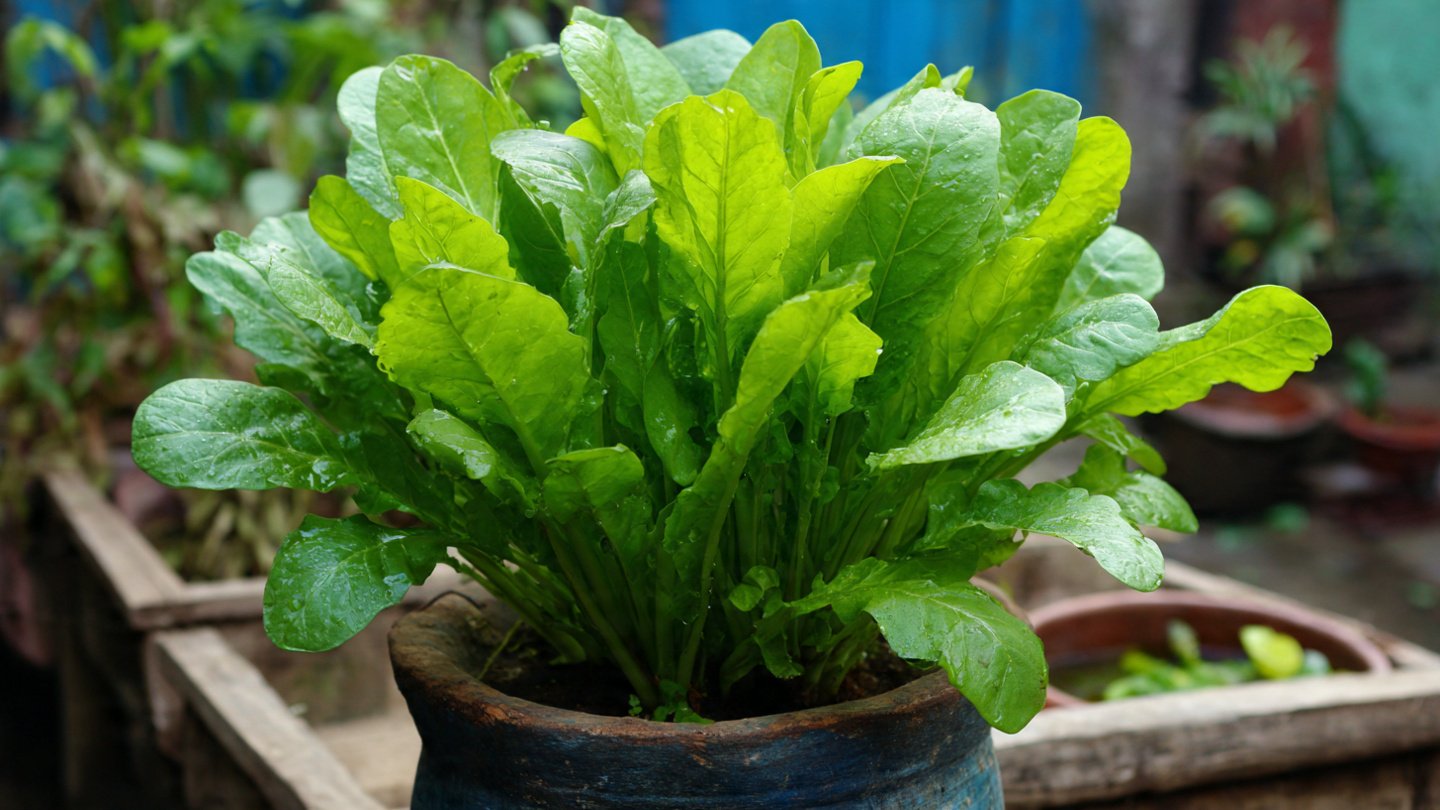
Growing palak (spinach) in pots is an excellent choice for urban gardeners and those with limited space. Palak is not only nutritious but also easy to cultivate. This article will guide you through the best methods for growing palak in pots using organic soil and natural fertilizers.
Why Grow Palak in Pots?
- How to Use Invisible Wire for a Stunning Climbing Plant Wall
- Are Your Garden Tools Making Your Plants Sick?
- How to Style a Small Studio with Columnar Cacti
- Why Is My Zucchini Shaped Like a Lightbulb?
- How to Protect Your Fruit From Birds Without Nets
- How to Keep Squirrels Away from Your Fruit Trees
- How to Protect Your Fruit from Birds Without Nets
- Why Biochar Is a Game-Changer for Your Kitchen Garden
- Why Some Rare Cacti Bloom Only One Night a Year
- How to Grow Rare Blue Strawberries at Home
-
Space Efficiency: Pots can be placed on balconies, terraces, or patios, making them ideal for urban environments.
-
Accessibility: Container gardening allows you to manage weeds, pests, and diseases more efficiently.
-
Soil Control: You have complete control over the soil quality, which is vital for optimal plant growth.
-
Mobility: Containers can be moved to capture sunlight and better conditions, enhancing growth.
Latest Posts
Choosing the Right Container
Size
Opt for pots that are at least 12 inches deep and wide. This depth allows enough space for root development.
Material
Containers can be made of terracotta, plastic, or wood. Terracotta pots provide excellent drainage, while plastic pots are lightweight and easier to move.
Drainage
Ensure your container has drainage holes to prevent waterlogging, which can lead to root rot.

Organic Soil Mix
Ingredients
An ideal organic soil mix for palak should contain:
-
Potting Soil: Choose a high-quality organic potting mix as the base. This will provide a nutrient-rich environment.
-
Compost: Adding well-decomposed compost enriches the soil with nutrients and improves its texture.
-
Perlite or Vermiculite: These additives enhance aeration and ensure good drainage.
-
Coconut Coir: A natural fiber that helps retain moisture while providing drainage.
Mixing Ratios
A suitable mixing ratio for your potting soil might be:
- 60% Potting Soil
- 20% Compost
- 10% Perlite or Vermiculite
- 10% Coconut Coir
Mix these components well to create a uniform soil blend.
Planting Palak Seeds
Seed Selection
Always choose high-quality, organic seeds from a reputable source. Look for varieties suited for your local climate.
Sowing Seeds
-
Preparation: Moisten the soil mix slightly before sowing.
-
Depth: Sow the seeds about ½ inch deep, spacing them about 2-4 inches apart to allow for proper growth.
-
Covering: Gently cover the seeds with soil and lightly press down.
Watering
Water the seeds immediately after sowing. Ensure the soil remains consistently moist but not soaked. A spray bottle can help achieve even moisture.
Sunlight Requirements
Palak thrives in full sunlight. Ensure your pots are placed where they receive at least 6 hours of direct sunlight daily. If sunlight is limited, consider using grow lights.
Watering Routine
Frequency
Water your palak regularly, especially during hot, dry periods. A general rule of thumb is to check the top inch of soil; if it’s dry, it’s time to water.
Method

Water at the base of the plant rather than from above to avoid fungal diseases. Ensure that the excess water drains out.
Natural Fertilizers
Using natural fertilizers can enhance the growth and yield of your palak plants.
Types of Natural Fertilizers
-
Compost: Use homemade or store-bought compost to provide essential nutrients.
-
Fish Emulsion: A liquid fertilizer that provides nitrogen and trace minerals. Dilute it as recommended and apply every 2-4 weeks.
-
Seaweed Extract: Rich in micronutrients, this fertilizer can be applied every few weeks to promote healthy growth.
-
Worm Castings: Rich in beneficial microorganisms, worm castings can be mixed into the soil or sprinkled on top as a top dressing.
Application
Start fertilizing 3-4 weeks after sowing. Apply organic fertilizers according to the manufacturer’s instructions. Monitor your plants for signs of nutrient deficiencies, such as yellowing leaves, which can indicate a need for more nitrogen.
Pest Management
Common Pests
- Aphids: Small insects that can sap the energy from your plants.
- Snails and Slugs: They feed on the leaves of your palak.
- Leaf Miners: Larvae that tunnel through the leaves.
Organic Pest Control Methods
-
Neem Oil: Spray neem oil on affected plants to deter pests. Mix according to the package instructions.
-
Handpicking: Regularly inspect plants and manually remove any visible pests.
-
Companion Planting: Some plants, like marigolds, can help deter pests when planted nearby.
Harvesting Palak
Timing
Palak is typically ready for harvest about 4-6 weeks after sowing. Look for leaves that are at least 4-6 inches long.
Method
To harvest, use scissors or garden shears to cut the outer leaves first. This practice encourages new growth from the center of the plant, allowing for multiple harvests.
Frequently Asked Questions (FAQs)
1. How much sunlight does palak need?
Palak requires at least 6 hours of direct sunlight daily for optimal growth.
2. Can I grow palak indoors?
Yes, you can grow palak indoors as long as they receive sufficient light, either from direct sunlight or grow lights.
3. How often should I water my palak?
Water your palak regularly, keeping the soil consistently moist but not waterlogged. Check the top inch of soil for dryness to determine when to water.
4. What are the signs of nutrient deficiency in palak?
Yellowing leaves can indicate a nitrogen deficiency, while stunted growth may suggest a lack of other essential nutrients.
5. Can I grow palak year-round in pots?
In temperate climates, palak can be grown year-round if the pots are kept in a controlled environment. In cooler regions, it’s best grown in spring and fall.
6. How do I prevent pests in my palak plants?
Regularly inspect your plants and consider using organic pesticides like neem oil. Companion planting can also help deter pests.
7. Can I use chemical fertilizers instead?
While chemical fertilizers are effective, they may harm soil health in the long run. Using organic fertilizers is recommended for sustainable gardening.
8. How deep should my pot be for palak?
Choose a pot that is at least 12 inches deep to support proper root development.
Conclusion
Growing palak in pots using organic soil and natural fertilizers not only leads to nutritious and delicious leaves but also contributes to sustainable gardening practices. With proper planning, care, and attention, you can enjoy a bountiful harvest of fresh palak, right from your own home. Happy gardening!