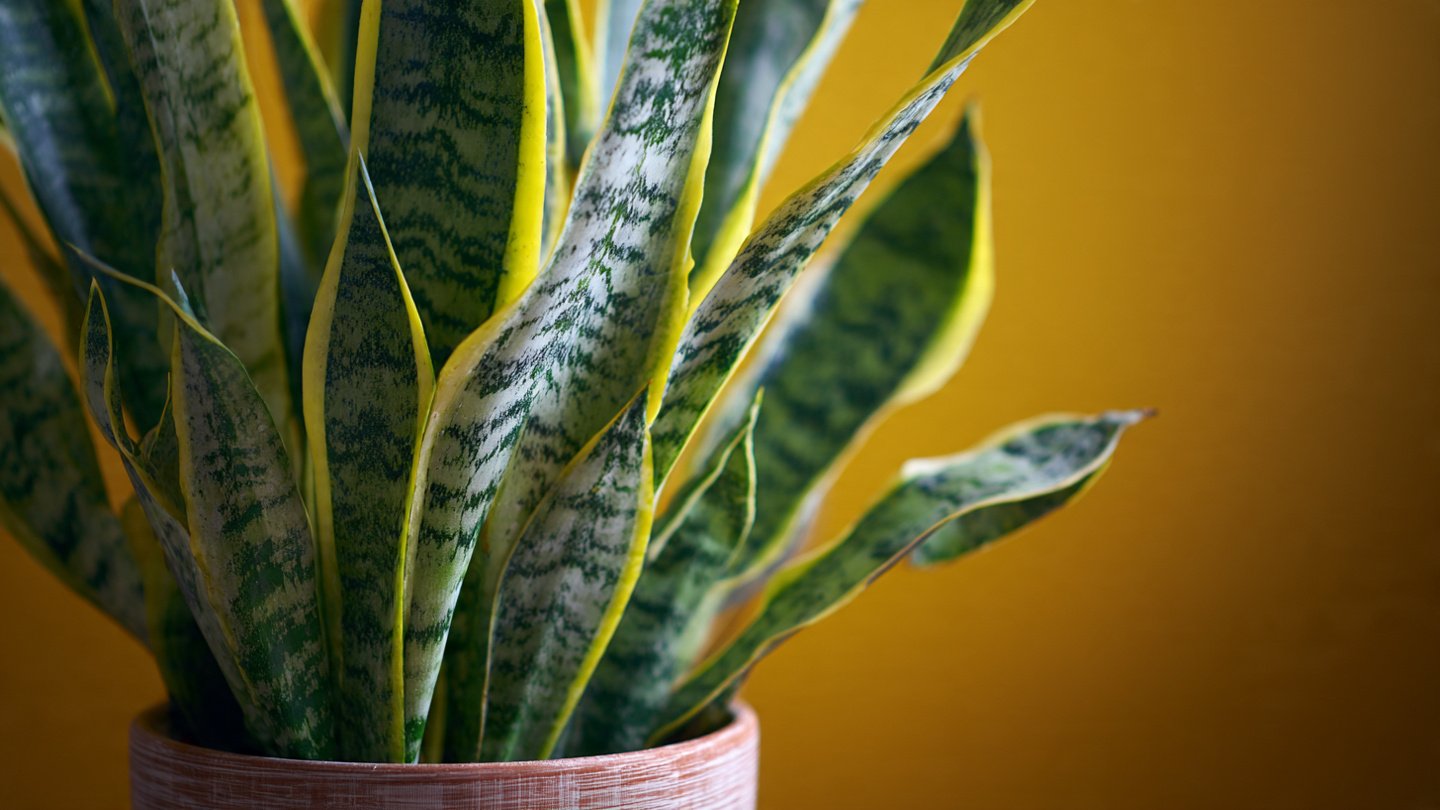
Growing houseplants has become increasingly popular, and among the most resilient and visually appealing is the snake plant (Sansevieria), also known as mother-in-law’s tongue. Renowned for its air-purifying qualities, low maintenance needs, and striking appearance, the snake plant is an excellent choice for both novice and experienced plant enthusiasts. This article covers simple techniques for successful indoor snake plant care, along with a frequently asked questions (FAQs) section to further assist you.
1. Choosing the Right Location
Light Requirements
Latest Posts
- How to Use Invisible Wire for a Stunning Climbing Plant Wall
- Are Your Garden Tools Making Your Plants Sick?
- How to Style a Small Studio with Columnar Cacti
- Why Is My Zucchini Shaped Like a Lightbulb?
- How to Protect Your Fruit From Birds Without Nets
- How to Keep Squirrels Away from Your Fruit Trees
- How to Protect Your Fruit from Birds Without Nets
- Why Biochar Is a Game-Changer for Your Kitchen Garden
- Why Some Rare Cacti Bloom Only One Night a Year
- How to Grow Rare Blue Strawberries at Home
One of the primary considerations for growing a snake plant successfully is its light requirements. Snake plants are incredibly versatile, thriving in various lighting conditions:
- Low Light: They can tolerate low-light environments, making them ideal for dimly lit rooms or offices.
- Indirect Light: They flourish best in bright, indirect light; this is where their growth will be most robust.
- Direct Sunlight: Surprisingly tolerant of direct sunlight, snake plants can handle brief exposures, but prolonged direct light may scorch the leaves.
Tip: If you’re unsure about the light levels in your home, try placing your snake plant in a few different spots to see where it thrives best.
Temperature and Humidity
Snake plants prefer temperatures between 60°F and 80°F (15°C to 27°C). They can withstand a short drop in temperature but should ideally avoid frost. Additionally, they thrive in low to moderate humidity levels, making them perfect for dry indoor environments.
2. Selecting the Right Pot
Drainage
When choosing a pot for your snake plant, ensure it has adequate drainage holes. Snake plants are susceptible to root rot if left sitting in water. A pot with good drainage allows excess water to escape, keeping roots healthy.
Container Material
While plastic pots are lightweight and retain moisture, terracotta pots are preferable as they allow for better air circulation. This is crucial for preventing overwatering—a common mistake new snake plant owners make.

3. Soil Selection
The type of soil you use plays a significant role in your snake plant’s health. Opt for a well-draining potting mix, ideally formulated for succulents or cacti. These blends usually contain ingredients like perlite or sand that improve drainage.
DIY Soil Mix: You can create your own soil mixture by combining:
- 50% potting soil
- 25% perlite
- 25% coarse sand
This mix provides the right balance of moisture retention and drainage.
4. Watering Techniques
Watering is one of the most critical aspects of snake plant care. As succulents, snake plants store water in their leaves, meaning they are drought-resistant.
When to Water
- Frequency: Allow the soil to dry out completely between waterings. Depending on the season and indoor climate, this might amount to every 2-6 weeks.
- Signs of Need: Look for signs of stress like wrinkled leaves; this indicates that the plant might be underwatered.
How to Water
When you do water, give the plant a thorough soaking until water drains from the bottom. Avoid letting the plant sit in a saucer filled with water, as this can lead to root rot.

5. Fertilization
Snake plants do not require regular fertilization, but a little dose can promote growth, especially during the growing season (spring and summer).
Fertilizer Type
- Use a balanced, water-soluble fertilizer diluted to half-strength.
- Apply every 4-6 weeks during the growing season.
Note: Avoid fertilizing during the fall and winter months when the plant is in dormancy.
6. Pruning and Maintenance
While snake plants are generally low maintenance, occasional cleaning and pruning can enhance their appearance and health.
Leaf Care
- Cleaning: Dust can accumulate on the leaves, inhibiting photosynthesis. Wipe leaves with a damp cloth every month to keep them clean.
- Pruning: Remove any dead or damaged leaves at the plant’s base using clean, sharp scissors to prevent disease spread.
Repotting
Snake plants grow slowly, but repotting every couple of years is beneficial. Signs that your snake plant needs repotting include:
- Root growth emerging from drainage holes.
- A visibly crowded pot.

When repotting, look for a pot one size larger that offers sufficient drainage.
7. Propagation
Propagation is one of the joyful aspects of snake plant care, offering a way to multiply your plants!
Methods of Propagation
-
Leaf Cuttings:
- Cut a healthy leaf into 4-5 inch sections.
- Allow the cut end to callous over for a day.
- Place the cuttings in a well-draining soil mix, water lightly, and keep in indirect light until roots develop (6-8 weeks).
-
Division:
- During repotting, carefully separate the offsets (small plants growing at the base).
- Ensure that each division has roots and repot them in their own containers.
8. Pests and Diseases
While snake plants are usually resilient, they can succumb to pests like mealybugs, spider mites, and aphids. Here’s how to handle any infestations:
Preventive Measures

- Regularly inspect the leaves, especially the undersides.
- Wipe leaves with a cloth or sponge to dislodge pests.
Treatment
- For light infestations, use a cotton swab dipped in rubbing alcohol to remove pests manually.
- For heavier infestations, consider insecticidal soap or neem oil, following product instructions for application.
9. Understanding Common Issues
Leaf Issues: If leaves become droopy, yellow, or brown, make sure to examine watering habits. Consistent overwatering and poor drainage are the most common causes of leaf distress.
Growth Stagnation: If your snake plant isn’t growing as expected, it might need more light or could be pot-bound.
Flowering: Although rare indoors, snake plants can send up flowering stalks. If this happens, it’s usually a sign of a healthy plant!
FAQs
1. How often should I water my snake plant?
Water every 2-6 weeks, allowing the soil to dry out completely between waterings.
2. Can snake plants thrive in low-light conditions?
Yes, snake plants are very adaptable and can grow in low-light environments, but they perform best in bright, indirect light.
3. Is snake plant toxic to pets?

Yes, snake plants are toxic to cats and dogs if ingested. Monitor pets around these plants, and consider placing them out of reach.
4. Can I propagate my snake plant in water?
While it’s possible to propagate in water, snake plants typically root better in soil. If using water, remember to transfer them to soil once roots are established.
5. Should I fertilize my snake plant?
Fertilize sparingly; use a balanced fertilizer every 4-6 weeks during the growing season.
6. What should I do if my snake plant is growing too tall?
You can trim back the leaves at their base. This will keep the plant looking neat and encourage bushier growth.
7. Why are my leaves turning yellow?
Yellow leaves can indicate overwatering, poor drainage, or lack of light. Assess your care routine to identify the cause.
8. How do I know when to repot my snake plant?
If roots are emerging from drainage holes or the plant appears crowded, it’s time to repot.
Conclusion
Growing a snake plant indoors can be a rewarding and effortless endeavor. With the right care techniques, you can enjoy its striking green foliage while benefiting from its air-purifying properties. Whether propagating a new plant or simply maintaining an existing one, the above guidelines will help ensure that your snake plant thrives for years to come. Happy planting!