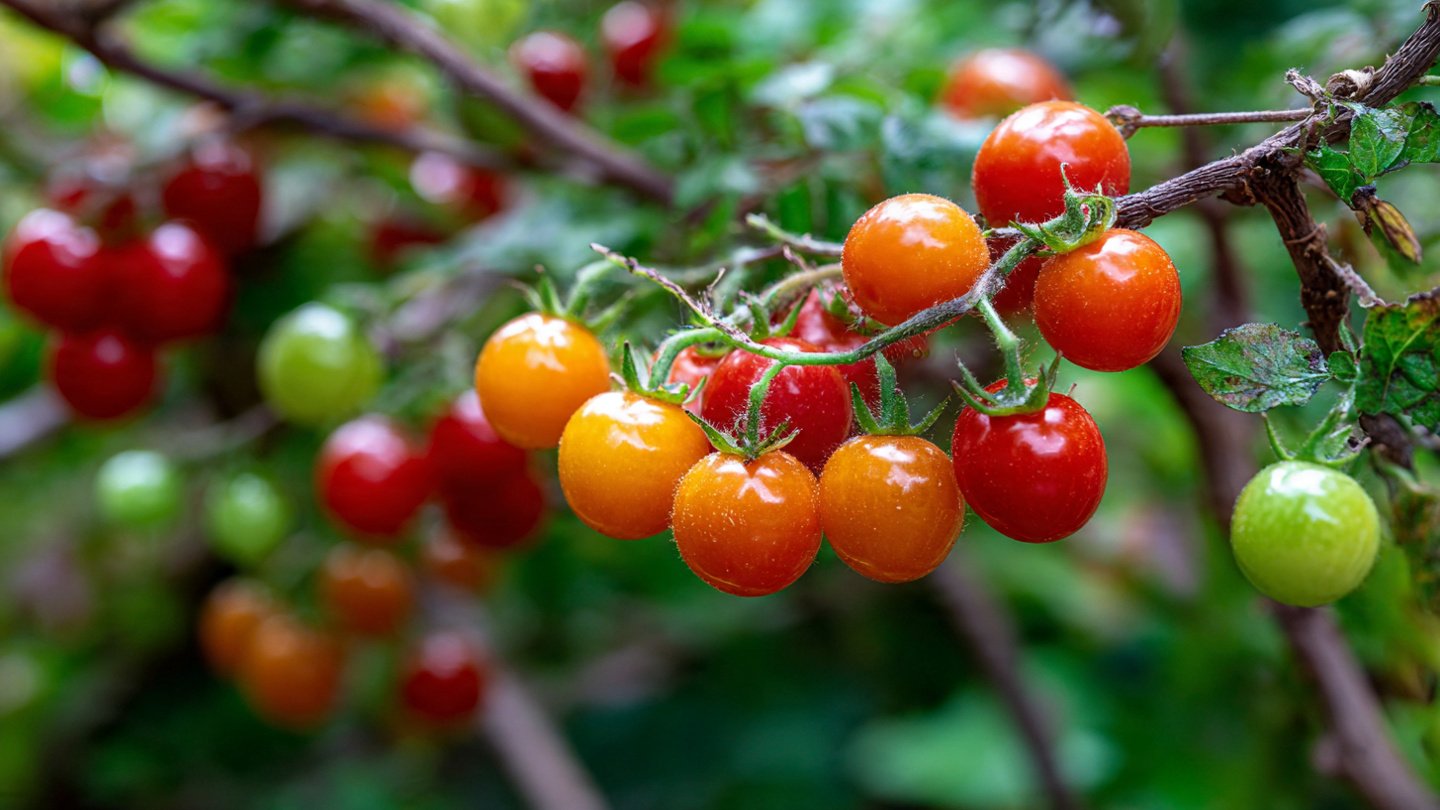
Growing cherry tomatoes from seed can be a rewarding gardening experience, offering not only delicious fruits but also an engaging way to learn about plant care, seasonal cycles, and the joy of nurturing life from the smallest seed. Whether you’re a seasoned gardener or a beginner, this guide will provide you with all the essential steps to grow healthy cherry tomatoes in your garden.
1. Understanding Cherry Tomatoes
Cherry tomatoes are small, round, and notably sweet, making them popular for salads, snacking, and garnishing dishes. They come in various colors, including red, yellow, and orange, and usually mature in about 60 to 80 days. Different varieties may have slightly different features, but the basic growing principles remain the same.
Latest Posts
- How to Use Invisible Wire for a Stunning Climbing Plant Wall
- Are Your Garden Tools Making Your Plants Sick?
- How to Style a Small Studio with Columnar Cacti
- Why Is My Zucchini Shaped Like a Lightbulb?
- How to Protect Your Fruit From Birds Without Nets
- How to Keep Squirrels Away from Your Fruit Trees
- How to Protect Your Fruit from Birds Without Nets
- Why Biochar Is a Game-Changer for Your Kitchen Garden
- Why Some Rare Cacti Bloom Only One Night a Year
- How to Grow Rare Blue Strawberries at Home
1.1 Choosing the Right Variety
There are numerous varieties of cherry tomatoes, each with its unique flavor, size, and growth habits. Some popular options include:
- Sweet 100: Very sweet and prolific, perfect for snacking.
- Sun Gold: Golden, bite-sized fruits with a tropical flavor.
- Black Cherry: A darker-colored variety with a unique, rich taste.
- Yellow Pear: Pear-shaped with a mildly sweet flavor.
Before selecting a variety, consider your climate, space, and personal taste preferences.
2. Starting Seeds Indoors
2.1 When to Start Seeds

In general, cherry tomato seeds should be started indoors 6-8 weeks before the last frost date in your area. Using a seedling chart can help you determine the best timing based on your location.
2.2 Supplies Needed
To start your seeds indoors, you’ll need:
- Seed trays or small pots
- Seed starting mix (light and well-draining)
- Labels for identification
- Watering can or spray bottle
- A sunny windowsill or grow lights
2.3 Planting Seeds
- Fill Containers: Start by filling your pots or trays with the seed starting mix, leaving about half an inch from the top.
- Moisten the Mix: Lightly water the mix to moisten it, but don’t saturate it.
- Plant Seeds: Make small holes about 1/4 inch deep and place one or two seeds in each hole. Cover them lightly with soil.
- Label: Don’t forget to label your containers with the variety name and date.
- Water Again: Mist the top layer of soil gently with water to avoid displacing the seeds.

2.4 Providing the Right Conditions
Place the containers in a warm, well-lit area. If using grow lights, position them about 2-3 inches above the seedlings, adjusting as they grow. Maintain a temperature between 70-80°F (21-27°C). Keep the soil consistently moist but not soggy.
2.5 Transplanting Seedlings
Once your seedlings have two sets of true leaves, it’s time to transplant them to larger pots. Fill pots with potting soil, create a hole, and carefully transfer each seedling, burying it up to its first set of leaves to encourage robust root growth.
3. Preparing for Outdoor Planting
3.1 Harden Off Seedlings
Before moving your seedlings outdoors, harden them off for about a week to acclimate them to the outside environment. This process involves gradually exposing them to sunlight and outdoor temperatures:
- Start with 1-2 hours of outdoor exposure on the first day, gradually increasing the time each day.
- Protect them from strong winds and direct sun in the beginning.
3.2 Choosing the Right Location
Cherry tomatoes thrive in full sun, so select a location in your garden that receives at least 6-8 hours of sunlight daily. Make sure the site has well-draining soil, as cherry tomatoes are susceptible to root rot in overly wet conditions.
3.3 Soil Preparation
Before planting, amend the soil with compost or aged manure to enrich it with nutrients. A pH level between 6.0 and 6.8 is ideal for optimal growth.

4. Planting Outdoors
4.1 Timing for Planting
After the last frost date, when nighttime temperatures remain above 50°F (10°C), it’s time to plant your tomatoes outdoors.
4.2 How to Plant
- Dig Holes: Make holes deep enough to accommodate the root ball of each seedling.
- Spacing: Space the seedlings about 24-36 inches apart to allow for air circulation and growth.
- Planting: Place each seedling in its hole and gently pat soil around the base, making sure not to bury the leaves.
4.3 Watering
Immediately after planting, water the seedlings deeply. Continue to keep the soil evenly moist but not waterlogged, watering deeply once or twice a week, depending on the weather.
5. Care and Maintenance
5.1 Staking or Caging
Cherry tomatoes benefit from support as they grow. Use stakes, cages, or trellises to keep the plants upright and promote airflow. Install these supports early to avoid damaging the roots later.
5.2 Fertilizing
About three weeks after transplanting, begin a routine of fertilizing every 3-4 weeks with a balanced fertilizer, following package instructions for application rates. Monitor the plant’s growth and foliage for nutrient deficiencies.
5.3 Watering
Consistent watering is crucial. Cherry tomatoes prefer deep, infrequent watering to develop strong root systems. Consider using drip irrigation or soaker hoses for more efficient moisture delivery.
5.4 Pest and Disease Management
Regularly inspect your plants for pests like aphids, spider mites, and whiteflies. Introduce beneficial insects like ladybugs or use insecticidal soap for treatment. Also, watch for signs of diseases such as blight and deal with them promptly by removing affected leaves and practicing crop rotation.
6. Harvesting Cherry Tomatoes
Cherry tomatoes typically ripen about 60-80 days after transplanting. They should be harvested when they have a vibrant color and are firm to the touch but slightly soft. Harvest gently to avoid damaging the plant.
7. Storing Cherry Tomatoes
Freshly harvested cherry tomatoes can be stored at room temperature to maximize flavor. If you have a large harvest, you can also refrigerate them, but be aware this may alter their taste and texture.
8. FAQs
Q1: Can I grow cherry tomatoes in pots?
Yes! Cherry tomatoes do very well in pots. Choose a container at least 5 gallons in size with good drainage for best results.

Q2: Do cherry tomatoes need full sun?
Cherry tomatoes thrive in full sun, so they should receive at least 6-8 hours of sunlight daily.
Q3: How often should I water cherry tomatoes?
Water cherry tomatoes deeply and consistently, aiming for 1-2 inches of moisture per week. Adjust based on rainfall and temperature.
Q4: What are the common pests of cherry tomatoes?
Common pests include aphids, whiteflies, and spider mites. Regular monitoring and introducing beneficial insects can help keep them in check.
Q5: How can I tell when cherry tomatoes are ripe?
Cherry tomatoes are ripe when they have a vibrant color (red, yellow, or whichever color they’re supposed to be) and feel slightly soft to the touch.
Q6: Can I save seeds from my cherry tomatoes?
Absolutely! You can save seeds by fermenting them for a few days to separate the seeds from the gel. Rinse and dry them before storing for the next planting season.
Growing cherry tomatoes from seeds is a fulfilling endeavor that can enhance your gardening skills while offering delicious rewards. With the right care and attention, your garden can become a fruitful source of this delightful vegetable, creating a tasty addition to your meals throughout the growing season. Happy gardening!