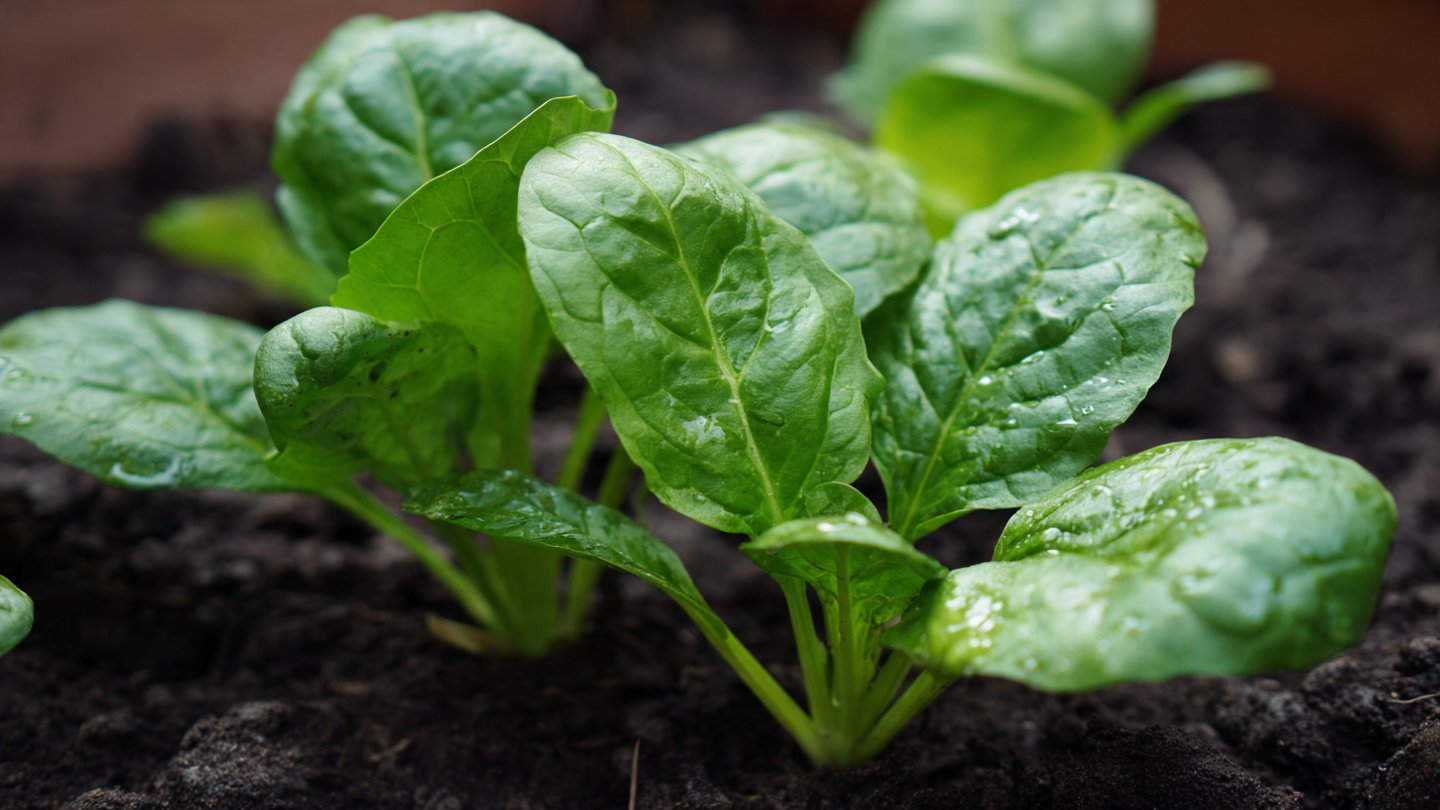
Growing spinach at home is rewarding and simple, making it an excellent choice for beginner gardeners. This nutritious leafy green is packed with vitamins and minerals, and having fresh spinach at your fingertips can elevate your meals. In this easy guide, we’ll discuss everything you need to know about growing spinach, from selecting the right variety to maintaining your plants and harvesting.
Why Grow Spinach?
Spinach (Spinacia oleracea) is a fast-growing vegetable that thrives in a range of climates. It is a cool-weather crop, making it ideal for spring and fall planting. Here are some key benefits of growing spinach:
- Nutritional Value: Spinach is rich in iron, calcium, vitamin K, and antioxidants, making it a powerhouse of nutrition.
- Versatile in the Kitchen: It can be used in salads, smoothies, soups, and main dishes.
- Quick Harvest: With a short growing cycle—typically 30 to 60 days—you can enjoy a bountiful harvest in no time.
Choosing the Right Spinach Variety
There are several types of spinach suitable for home gardens:

- Savoy Spinach: Characterized by crinkly leaves; this type is both tender and hardy, making it ideal for cooking.
- Flat-Leaf Spinach: Smooth leaves that are easy to clean and preferred for salads. This variety is commonly seen in grocery stores.
- Semi-Savoy Spinach: A hybrid of the savoy and flat-leaf varieties, offering resilience against disease.
Choose a variety that suits your cooking style and personal preference!
Planting Spinach
Ideal Conditions
- Soil: Spinach prefers well-drained, fertile soil with a pH level between 6.0 and 7.0. You can enhance your soil by adding aged compost or a balanced organic fertilizer.
- Sunlight: Aim for at least 6 hours of sunlight per day, although spinach can tolerate partial shade.
- Temperature: Spinach grows best in cooler temperatures (between 50°F to 70°F). Planting in early spring or late summer ensures optimal growth.
Planting Steps
- Select Your Location: Choose a spot in your garden or a container that meets the sunlight and soil conditions mentioned above.
- Soil Preparation: Loosen the soil to a depth of about 12 inches and incorporate compost to improve drainage and nutrients.
- Sowing Seeds:
- Direct Sowing: Plant seeds directly in the soil about ½ inch deep and 2 inches apart. If planting in rows, space them around 12 inches apart.
- Spacing: Once seedlings are 2 to 3 inches tall, thin them to allow about 4 to 6 inches of space between each plant to promote healthy growth.
Timing
- Spring Planting: Sow seeds 2 to 4 weeks before the last expected frost. This allows you to capitalize on the cool weather.
- Fall Planting: For a fall harvest, you can plant seeds about 6 to 8 weeks before the first expected frost.
Care and Maintenance
Watering
Spinach requires consistent moisture, especially during germination. Here are some key points for watering:
Latest Posts
- How to Use Invisible Wire for a Stunning Climbing Plant Wall
- Are Your Garden Tools Making Your Plants Sick?
- How to Style a Small Studio with Columnar Cacti
- Why Is My Zucchini Shaped Like a Lightbulb?
- How to Protect Your Fruit From Birds Without Nets
- How to Keep Squirrels Away from Your Fruit Trees
- How to Protect Your Fruit from Birds Without Nets
- Why Biochar Is a Game-Changer for Your Kitchen Garden
- Why Some Rare Cacti Bloom Only One Night a Year
- How to Grow Rare Blue Strawberries at Home
- Frequency: Water the plants once a week, providing about 1 inch of water each time.
- Mulching: Apply a layer of mulch around the plants to help retain moisture and suppress weeds.
Fertilization
- Fertilize your spinach every 3 to 4 weeks using a balanced organic fertilizer. Over-fertilization can lead to excessive leaf growth at the expense of flavor.
Pest and Disease Management
Spinach is generally resilient but can be susceptible to pests such as aphids and leaf miners. Here’s how to manage them:

- Aphids: Spray the plants with a mixture of water and mild soap to reduce aphid populations.
- Leaf Miners: Remove damaged leaves and consider using row covers to protect your plants.
Harvesting Spinach
Once your spinach plants are thriving, you’ll want to know when to harvest. Here’s a guide:
- Timing: Spinach can be harvested once it reaches about 4 to 6 inches tall, typically around 30 to 40 days after planting.
- Method:
- Cut-and-Come-Again: You can trim the outer leaves while leaving the inner leaves intact, which allows for multiple harvests.
- Full Harvest: If you prefer, you can pull the entire plant. However, be mindful that after a full harvest, the plant will not regrow.
- Storage: Fresh spinach can last about 3 to 5 days in the refrigerator. Store it unwashed in a perforated plastic bag to keep it fresh and crisp.
Troubleshooting Common Issues
Here are some common challenges new spinach growers may face, along with solutions:
- Bolting: This occurs when the plant flowers and goes to seed, usually triggered by warm weather.
- Solution: Plant your spinach during the cooler months and select bolt-resistant varieties.
- Stunted Growth: Can result from poor soil quality or inadequate watering.
- Solution: Ensure your soil is nutrient-rich and provide consistent moisture.
- Yellow Leaves: Often a sign of nutrient deficiency or overwatering.
- Solution: Check your watering schedule and consider adding a balanced fertilizer.
Frequently Asked Questions (FAQs)
1. How much sunlight does spinach need?
Spinach prefers full sun, approximately 6 hours a day, but can tolerate partial shade.

2. Can I grow spinach in containers?
Yes, spinach grows well in containers as long as they are deep enough (at least 12 inches) and have good drainage.
3. How often should I water spinach?
Water your spinach about once a week, providing enough moisture to penetrate the soil to a depth of at least 6 inches.
4. Is it okay to plant spinach in the same spot each year?
It is best to rotate crops to prevent soil depletion and minimize disease risks. Try to avoid planting spinach in the same spot for two consecutive years.

5. What pests should I be aware of?
Common pests include aphids, leaf miners, and slugs. Inspect your plants regularly and apply organic pest control methods as needed.
6. Can I freeze fresh spinach?
Yes, blanch freshly harvested spinach for 2 minutes, cool it in ice water, and then pack it into airtight containers for freezing.
7. What should I do if my spinach is bolting?
If your spinach is bolting, it’s best to harvest the leaves immediately. Plan your next planting for a cooler time to prevent this issue.

8. How do I know when it’s time to harvest spinach?
You can harvest spinach when the leaves reach about 4 to 6 inches tall. Monitor their growth, and begin harvesting the outer leaves to encourage further growth.
Conclusion
Growing spinach at home is an easy and fulfilling endeavor, especially for beginner gardeners. By selecting the right variety, providing suitable conditions, and caring for your plants, you’ll be well on your way to having a fresh and nutritious supply of spinach for your kitchen. Follow this guide, and enjoy the satisfaction of growing your own leafy greens!