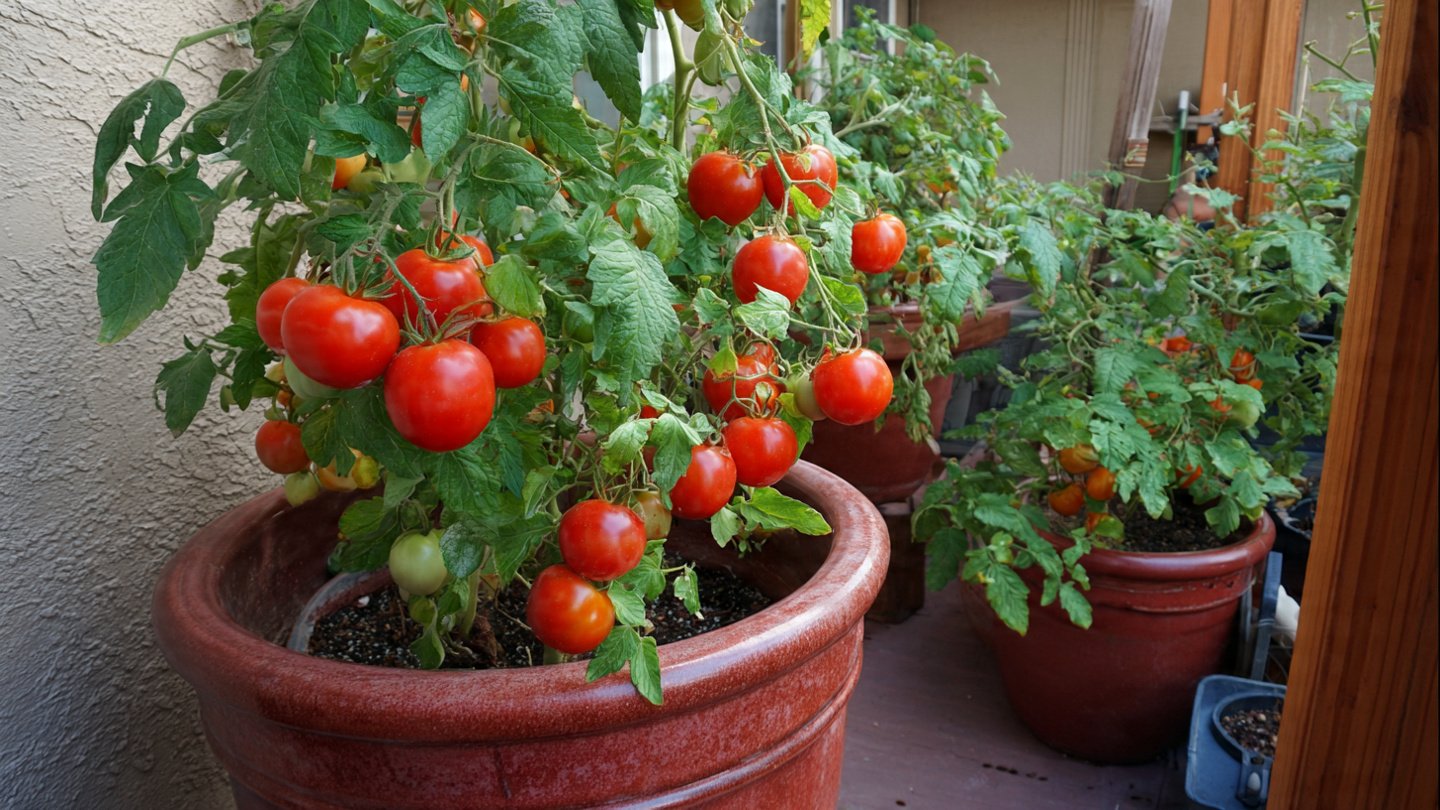
Effective Strategies for Cultivating Delicious Tomatoes in Containers for Home Gardeners
Growing tomatoes in containers is a practical and rewarding approach for home gardeners, especially those with limited space. Container gardening allows you to cultivate delicious tomatoes right on your patio, balcony, or even windowsill. This article will explore effective strategies for successfully growing tomatoes in containers, covering everything from choosing the right varieties to proper care and maintenance.
1. Choosing the Right Container
The first step to growing tomatoes in containers is selecting the right pots. Here are essential considerations:
Latest Posts
- How to Use Invisible Wire for a Stunning Climbing Plant Wall
- Are Your Garden Tools Making Your Plants Sick?
- How to Style a Small Studio with Columnar Cacti
- Why Is My Zucchini Shaped Like a Lightbulb?
- How to Protect Your Fruit From Birds Without Nets
- How to Keep Squirrels Away from Your Fruit Trees
- How to Protect Your Fruit from Birds Without Nets
- Why Biochar Is a Game-Changer for Your Kitchen Garden
- Why Some Rare Cacti Bloom Only One Night a Year
- How to Grow Rare Blue Strawberries at Home
-
Size: Opt for containers that are at least 5 gallons in size, with 10-gallon containers being preferable for larger varieties. A larger pot provides ample room for root growth, which is crucial for healthy plants.
-
Material: Choose containers made from materials such as plastic, ceramic, or wood. Each has its benefits, but plastic tends to retain moisture better, which is vital for tomato plants.
-
Drainage: Ensure that the container has sufficient drainage holes. This prevents waterlogging, which can lead to root rot.
2. Selecting Tomato Varieties
Next, choose tomato varieties that are suitable for container gardening. Some cultivars are better adapted to the constraints of container life. Here are some popular picks:
-
Determinate Varieties: These types of tomatoes grow to a fixed height and set fruit all at once. Examples include ‘Bush Early Girl’ and ‘Patio Princess’—both excellent choices for small spaces.
-
Indeterminate Varieties: These tomatoes continue to grow and produce fruit throughout the season. While they can grow quite tall, many gardeners successfully manage varieties like ‘Sweet 100’ or ‘Sun Gold’ in large containers.

3. Soil and Fertilization
Quality soil is crucial for tomato cultivation. Here’s how to create an ideal growing medium:
-
Potting Mix: Use a high-quality potting mix designed for container gardening. Avoid using garden soil, which may become compacted and limit root growth.
-
Organic Matter: Incorporating compost or organic fertilizers can enrich the potting mix, providing vital nutrients.
-
Fertilization Schedule: Tomatoes are heavy feeders. Use a balanced fertilizer (e.g., 10-10-10 NPK) according to package instructions, typically every 4-6 weeks. Alternatively, consider using a slow-release fertilizer to keep your plants nourished throughout the growing season.
4. Watering Techniques
Proper watering is vital to the health of your tomato plants. Follow these guidelines for effective watering:
-
Frequency: Water your plants deeply and consistently. In hot weather, containers may need watering daily.
-
Soil Moisture: Check the top inch of soil; if it feels dry, it’s time to water. Ensure the water drains from the bottom, but never let your plants sit in excess water.
-
Mulching: Applying a layer of mulch on top of the soil can help maintain moisture and reduce evaporation.
5. Light Requirements
Tomatoes thrive in sunlight, so proper placement is essential:
-
Sun Exposure: Position your containers where they will receive at least 6-8 hours of direct sunlight each day. South-facing patios or balconies are great spots.
-
Supplementing Light: In regions with limited sunlight, consider using grow lights, particularly early in the season.
6. Supporting Your Plants
As your tomato plants grow, they may require support to keep them healthy and productive. Here are some methods:
-
Cages and Stakes: Use tomato cages or stakes to provide support. For indeterminate varieties, a sturdy cage is often the best choice, while determinate varieties may need less support.
-
Trellis: If you have several containers, erecting a trellis can allow you to maximize vertical space.
7. Pruning and Maintenance
Regular maintenance, including pruning, can enhance your tomato yield:
-
Pruning Suckers: Remove suckers—small shoots that develop in the leaf axils—early in the season. This enables the plant to focus energy on fruit production.
-
Foliage Management: As plants grow, trim lower leaves that may touch the ground to reduce disease risk.
-
Pest Control: Keep an eye out for pests such as aphids and spider mites. Organic insecticidal soaps can help control these pests without harming beneficial insects.
8. Harvesting Tomatoes
Knowing when to harvest is crucial for flavor and quality:
-
Signs of Ripeness: Tomatoes are typically ripe when they have developed a rich color (depending on the variety) and feel slightly soft to the touch.
-
Picking Technique: Gently twist the tomato or use garden shears for clean cuts, preventing damage to the plant.
-
Timing: Harvesting in the morning can help preserve the fruit’s flavor and freshness.
9. Overcoming Common Challenges
Growing tomatoes in containers comes with its unique set of challenges. Here are solutions to common issues:
-
Overheating: Containers can heat up quickly, which can stress plants. Choose lighter-colored pots, or consider insulating them.
-
Nutrient Deficiency: Yellowing leaves can indicate nutrient deficiencies. Ensuring you use compost and balanced fertilizers can help alleviate these issues.
-
Pest and Disease Problems: Monitor plants regularly for signs of pests and diseases, ensuring you take prompt corrective action.
FAQs
1. Can I grow tomatoes in small containers?
While smaller containers may work for seedlings or small varieties, larger pots (at least 5 gallons) are recommended for optimal growth and yield.
2. How often should I fertilize my container tomatoes?
Fertilization is typically needed every 4-6 weeks using a balanced fertilizer or slow-release formula, especially during peak growing months.
3. What is the best time to plant tomatoes in containers?
In most regions, it’s best to plant tomatoes after the last frost date, usually in late spring. However, you can start seeds indoors earlier.

4. Do I need to water my tomatoes every day?
Watering frequency depends on the weather and container size. Check the soil moisture; if it feels dry an inch down, it’s time to water.
5. Can I grow tomatoes indoors?
Yes, with adequate light (such as grow lights), it’s possible to successfully grow tomatoes indoors, especially smaller varieties.
6. What diseases should I watch for with container tomatoes?
Common diseases include blossom end rot and fungal infections like blight. Proper watering techniques and good air circulation can help mitigate these risks.
Conclusion
Cultivating delicious tomatoes in containers is a fulfilling challenge for home gardeners, providing both an opportunity for beautiful plants and tasty rewards. By carefully selecting the right varieties, containers, and practices, you can enjoy a bountiful harvest of fresh tomatoes even in limited spaces. Whether you’re making sauce, salads, or simply enjoying them fresh off the vine, homegrown tomatoes are a delight worth every effort. Happy gardening!