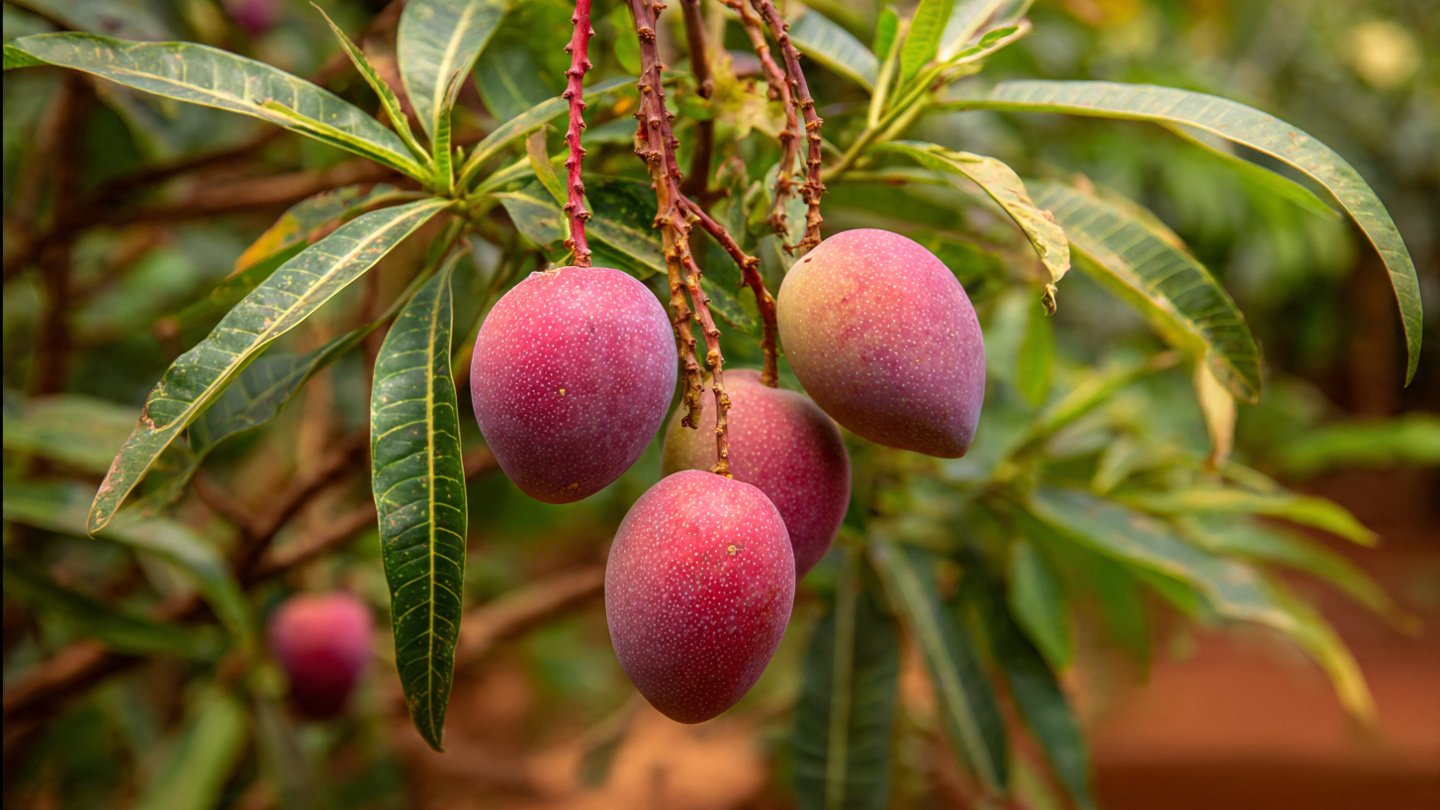
Mangoes, often referred to as the “king of fruits,” are beloved for their sweet, juicy flesh and tropical flair. Growing mangoes from seed can be an incredibly rewarding endeavor, transforming your garden into a vibrant tropical paradise. This guide will provide you with a detailed step-by-step process to grow mango trees from seeds, ensuring they thrive and flourish.
Understanding Mango Trees
Before diving into the process, it’s essential to understand what mango trees require to grow successfully. Mango trees (Mangifera indica) thrive in warm, tropical climates and are sensitive to frost. Up to 100 feet tall, they have a broad canopy and dense foliage, producing fragrant flowers and, ultimately, delicious fruits.
Latest Posts
- How to Use Invisible Wire for a Stunning Climbing Plant Wall
- Are Your Garden Tools Making Your Plants Sick?
- How to Style a Small Studio with Columnar Cacti
- Why Is My Zucchini Shaped Like a Lightbulb?
- How to Protect Your Fruit From Birds Without Nets
- How to Keep Squirrels Away from Your Fruit Trees
- How to Protect Your Fruit from Birds Without Nets
- Why Biochar Is a Game-Changer for Your Kitchen Garden
- Why Some Rare Cacti Bloom Only One Night a Year
- How to Grow Rare Blue Strawberries at Home
What You’ll Need
- Seeds – Choose ripe mangoes from a healthy tree.
- Potting Mix – Lightweight, well-draining potting soil.
- Pots – Plastic or clay pots with drainage holes.
- Water – Room-temperature water for soaking and irrigating.
- Plastic Wrap – For the germination phase.
- Sunlight – Access to a sunny spot for the seedlings.
Step-by-Step Process to Grow Mangoes from Seeds
1. Choosing the Right Mangoes
Select organic mangoes to avoid pesticides and chemicals that can inhibit growth. When choosing a mango, look for ripe fruit that has a strong aroma and slight softness when squeezed. Varieties such as ‘Haden’, ‘Kent’, and ‘Tommy Atkins’ are popular choices for home gardening.

2. Extracting the Seed
-
Cut the Mango: Slice the mango lengthwise to create two halves. Remove the pit carefully, ensuring you don’t damage it.
-
Clean the Pit: Wash the pit in water to remove any remaining fruit flesh. A clean seed germinates better.
-
Dry the Pit: Place the pit in a warm, dry location for 1-2 days to remove excess moisture.
3. Preparing the Seed for Germination
-
Removing the Seed Coat: Once dried, gently crack open the hard outer shell of the pit. You can use a knife or remove it with your hands. Be careful not to damage the inner seed.
-
Soaking the Seed: Soak the seed in water for 24-48 hours. This helps to soften the seed and encourage germination.
4. Germination
-
Planting the Seed: Prepare a pot with a well-draining potting mix. Plant the seed about an inch deep, with the pointed end facing down.
-
Creating a Humid Environment: Cover the pot with plastic wrap to retain moisture and create a greenhouse-like effect. Poke small holes for ventilation.
-
Watering: Keep the soil consistently moist but not soggy. Water as needed, ideally every few days.
-
Warmth and Light: Place the pot in a warm location with indirect sunlight. Ideal temperatures for germination are between 70°F and 85°F (21°C to 29°C).
-
Germination Time: Seeds typically germinate within 2-3 weeks, but it can take longer. Patience is key!

5. Transplanting the Seedling
Once the seedling has grown several inches tall and has a few leaves:
-
Remove Plastic Wrap: Gradually remove the wrap to acclimatize the plant to outdoor conditions.
-
Prepare Larger Pots: When the seedling outgrows its pot (around 8-12 inches tall), transplant it into a larger pot, filled with nutrient-rich potting mix.
-
Transplanting Outdoors: In climates where mangoes can thrive (USDA zones 10-11), you can plant your mango tree outdoors when it’s at least a foot tall. Choose a full-sun location with well-draining soil.

6. Care for Your Mango Tree
Once planted, caring for your mango tree will ensure its growth and fruiting:
Watering
Water regularly, especially during dry spells. However, do not overwater; mango trees prefer slightly dry conditions. Watering once a week is typically sufficient.
Fertilizing
Feed your tree with a balanced fertilizer (10-10-10 or similar) every month during the growing season. This will provide the necessary nutrients for healthy growth.
Pruning
Regularly prune your tree to remove dead or diseased branches and to shape the tree. This promotes healthy growth and better air circulation.
Pest Control
Watch for pests like aphids or spider mites. If you notice any infestations, treat them with insecticidal soap or neem oil.
7. Patience for Fruiting
Mango trees typically take 3-5 years from seed to produce fruit. The timeline can vary based on the variety, growing conditions, and care. Be patient and provide optimal conditions, ensuring your tree stays healthy.

Tips for Success
- Sunlight: Mango trees need full sun (at least 6 hours of direct sunlight daily).
- Soil: Ensure the soil drains well to prevent root rot.
- Temperature: Monitor temperatures; mango trees do not tolerate frost well.
- Mulching: Apply mulch around the base of the tree to retain moisture and suppress weeds.
Frequently Asked Questions (FAQs)
1. Can I grow mangoes in containers?
Yes, mango trees can be grown in containers. Ensure the pot is large enough (at least 15 gallons) and has good drainage.
2. How often do I water a mango tree?
Water your mango tree once a week, allowing the soil to dry slightly between watering.
3. Will my mango tree bear fruit if grown from seed?
Yes, but it may take 3-5 years to produce fruit. Additionally, the fruit may not resemble the parent fruit due to genetic variability.
4. What is the best time to plant mango seeds?
Plant mango seeds in spring when temperatures warm up. This is optimal for germination and growth.

5. How do I protect my mango tree from pests?
Monitor and treat pests promptly with natural insecticides like neem oil or insecticidal soap. Regularly inspect leaves and stems for signs of infestation.
6. Can I grow mangoes in colder climates?
Mango trees are sensitive to frost. If you live in a cooler climate, consider growing them in pots for easy relocation to a warmer area during colder months.
7. How do I know when my mangoes are ripe?
Mangoes change color when ripe, and their skin becomes slightly soft when gently squeezed. A sweet aroma will also indicate ripeness.
Conclusion
Growing mangoes from seed is a fulfilling journey that brings the taste of the tropics right to your backyard. With the right care, patience, and attention, your mango tree will not only thrive but also reward you with delicious fruits for years to come! By following this guide, you’re well on your way to cultivating your very own mango paradise. Happy gardening!