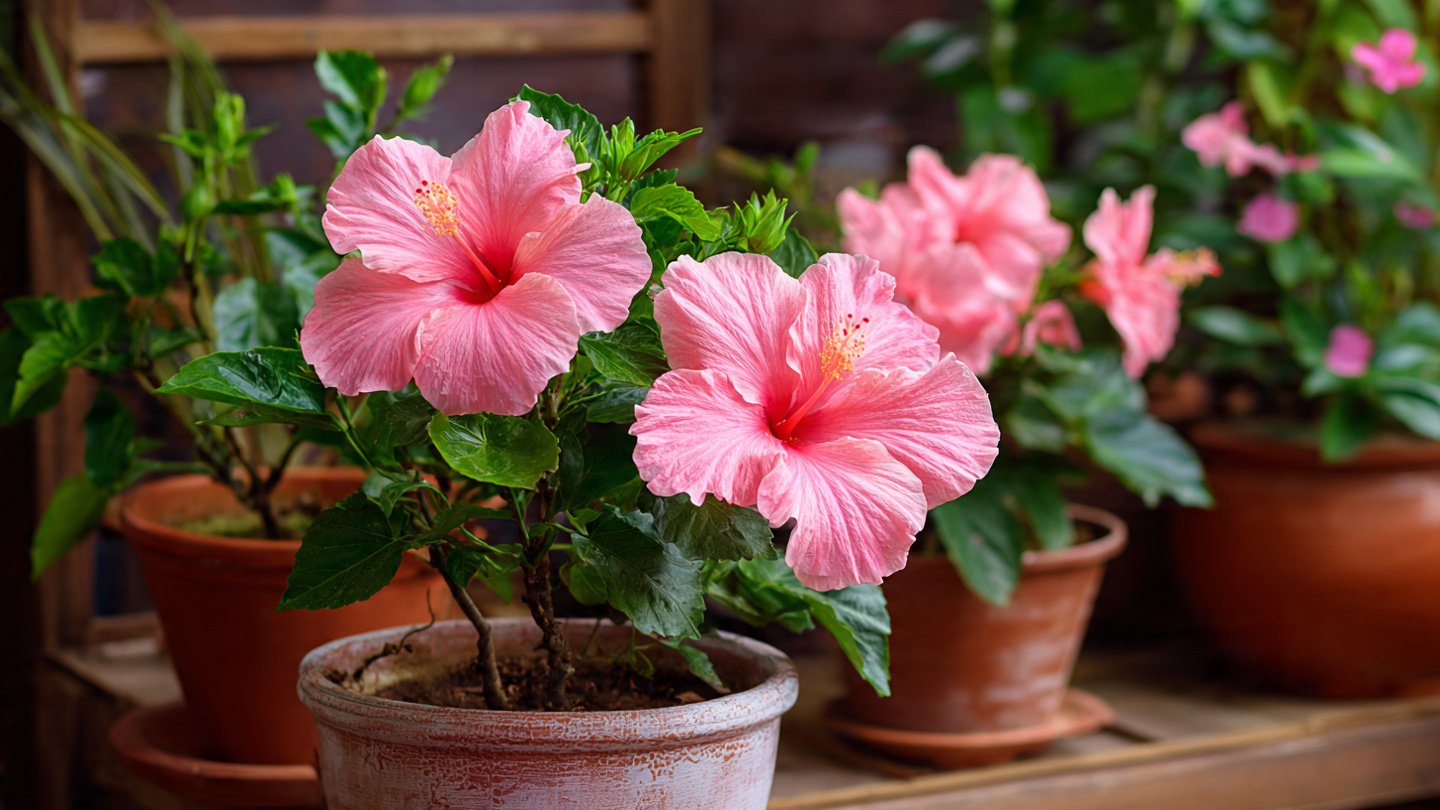
Hibiscus plants, known for their stunning, large flowers and lush foliage, are a favorite among gardeners both experienced and novice. Growing hibiscus in containers is a rewarding way to bring vibrant colors to patios, balconies, or indoor spaces. This article will guide you through effective tips for cultivating healthy hibiscus in containers, ensuring they thrive and bloom beautifully.
Choosing the Right Hibiscus Variety
Before diving into the cultivation process, selecting the right variety of hibiscus is essential. There are many types, but the most popular are:
Latest Posts
- How to Use Invisible Wire for a Stunning Climbing Plant Wall
- Are Your Garden Tools Making Your Plants Sick?
- How to Style a Small Studio with Columnar Cacti
- Why Is My Zucchini Shaped Like a Lightbulb?
- How to Protect Your Fruit From Birds Without Nets
- How to Keep Squirrels Away from Your Fruit Trees
- How to Protect Your Fruit from Birds Without Nets
- Why Biochar Is a Game-Changer for Your Kitchen Garden
- Why Some Rare Cacti Bloom Only One Night a Year
- How to Grow Rare Blue Strawberries at Home
-
Tropical Hibiscus: Often grown as annuals in cooler areas, these plants thrive in warm temperatures and display breathtaking blooms.
-
Hardy Hibiscus: Ideal for colder climates, these hardy plants can survive frost and bloom in late summer.
-
Rose of Sharon (Hibiscus syriacus): This is a deciduous shrub with trumpet-shaped flowers that can add height and structure to your container garden.
Tip: Research Local Climate
Your local climate should guide your choice. Tropical hibiscus thrives in warm, humid areas, while hardy hibiscus is better for areas with cooler winters.
Selecting Containers
The choice of container significantly affects the health and growth of your hibiscus. Here are factors to consider:
Size
-
Minimum Size: Choose a container that is at least 12-18 inches in diameter and depth. Hibiscus plants have extensive root systems that require ample space.
-
Larger Capacity: If you have space, opt for larger containers that can hold more soil and moisture.

Material
-
Terracotta: Provides excellent breathability, but can dry out quickly.
-
Plastic: Lightweight and retains moisture well, but may not allow adequate drainage.
-
Ceramic: Solid and decorative but can be heavy and expensive.
Drainage
Ensure the container has drainage holes. Good drainage prevents water from pooling and causing root rot, which is crucial for healthy hibiscus growth.
Soil Preparation
Choosing the right soil is vital for the growth of any plant. Hibiscus thrive in nutrient-rich, well-draining soil.
Soil Mix
-
Potting Mix: Use a high-quality potting mix specifically designed for flowering plants. Look for mixes that contain organic matter, such as peat moss, and ensure it drains well.
-
Additives: Consider adding perlite or vermiculite to improve aeration and drainage.
pH Level
Hibiscus prefers a slightly acidic to neutral pH (6.0 to 7.0). You can test the soil pH using a soil test kit and adjust accordingly.
Watering Techniques
Getting the right watering regimen is essential for healthy hibiscus growth.
Frequency
- Typical Schedule: Water your hibiscus when the top inch of soil feels dry. This might mean watering once a week or more frequently in hot weather.
Method
- Deep Watering: Ensure that you water deeply, allowing the moisture to reach the roots. Draining water through the holes ensures that the plant gets adequate hydration.
Watch for Signs
Monitor your plant for signs of overwatering (yellowing leaves, wilting) or underwatering (drooping, crispy leaves).
Fertilization
Fertilization is crucial for promoting vibrant blooms and lush foliage.
Fertilizer Type
-
Balanced Fertilizer: Use a balanced, slow-release fertilizer during the growing season (spring to early fall) with an N-P-K ratio of 10-10-10 or similar.
-
Liquid Fertilizer: Alternatively, you can use a liquid fertilizer every 4-6 weeks for a quick nutrient boost.
Dosage
Follow the manufacturer’s instructions for dosage. Over-fertilization can lead to burning the roots and harming the plant.
Sunlight Requirements
Hibiscus plants are sun-loving and thrive in bright locations.
Ideal Conditions
- Direct Sunlight: The best spot is where they can receive at least 6 hours of direct sunlight daily. Morning sun is particularly beneficial.
Adjusting for Seasons
In hotter climates, some shade in the afternoon can prevent leaf scorch. Be attentive to the sunlight needs during changing seasons.
Pruning and Maintenance
Regular pruning can promote healthy growth and flowering.
When to Prune
- Spring: Prune in early spring before new growth begins. Remove dead or diseased branches to improve air circulation.
Trimming Technique
- Shape and Size: Trim your hibiscus to maintain its desired shape and size. Cutting back about one-third of the plant will encourage bushiness and more blooms.
Pest and Disease Management
Hibiscus plants are susceptible to various pests and diseases.
Common Pests
-
Aphids, Spider Mites, and Whiteflies: Regularly check for these pests.
-
Control Method: Use insecticidal soap or neem oil to treat infestations. Natural predators, like ladybugs, can also be helpful.
Diseases
-
Root Rot: Caused by overwatering; ensure that proper drainage is in place.
-
Leaf Spot: Preventive measures include good air circulation and avoiding wetting the leaves during watering.
Winter Care for Container Hibiscus
If you live in a region with cold winters, provide proper winter care for your container hibiscus.
Moving Indoors
- If temperatures drop below 50°F (10°C), move the container indoors near a sunny window.
Dormancy
Hibiscus may drop leaves when moved indoors, which is normal. Reduce watering during the winter months when the plant is not actively growing, and avoid fertilizing.
Encouraging Blooms
To encourage abundant blooms on your hibiscus, consider these tips:
Deadheading
Remove spent flowers regularly. This practice encourages the plant to produce more blooms and keeps it looking neat.
Temperature
Maintaining a consistent temperature between 70°F (21°C) and 85°F (29°C) is ideal for stimulating blooming.
FAQs
1. How often should I repot my hibiscus?

Repot every 1-2 years or when you notice root growth through the drainage holes. Choose a slightly larger container and fresh soil mix.
2. Why are the leaves on my hibiscus turning yellow?
Yellow leaves can indicate overwatering, underwatering, or nutrient deficiencies. Check your watering schedule and consider fertilization.
3. Can I grow hibiscus indoors?
Yes, hibiscus can thrive indoors as long as they receive adequate sunlight (at least 6 hours) and proper care.
4. What do I do if my hibiscus doesn’t bloom?
Ensure it receives enough sunlight, water, and nutrients. Lack of blooming can sometimes be attributed to improper care or stress from pests.
5. Do hibiscus plants require a lot of maintenance?
While they require regular watering, feeding, and occasional pruning, hibiscus are relatively low-maintenance plants once established.
6. Can I grow my hibiscus in a hanging basket?
Yes, smaller varieties of hibiscus can be grown in hanging baskets, but remember to choose a suitable potting mix and ensure adequate drainage.
7. How can I increase humidity for my indoor hibiscus?
To increase humidity, use a humidifier, mist the leaves occasionally, or place a layer of pebbles with water under the container (without letting the pot sit directly in water).
Conclusion
Growing hibiscus in containers at home can be a delightful hobby that brings beauty and color into your living space. By following these effective tips and keeping an eye on your plant’s needs, you can enjoy beautiful blooms all season long. Remember, patience and observation are key; with the right care, your hibiscus will flourish and reward you with stunning flowers.