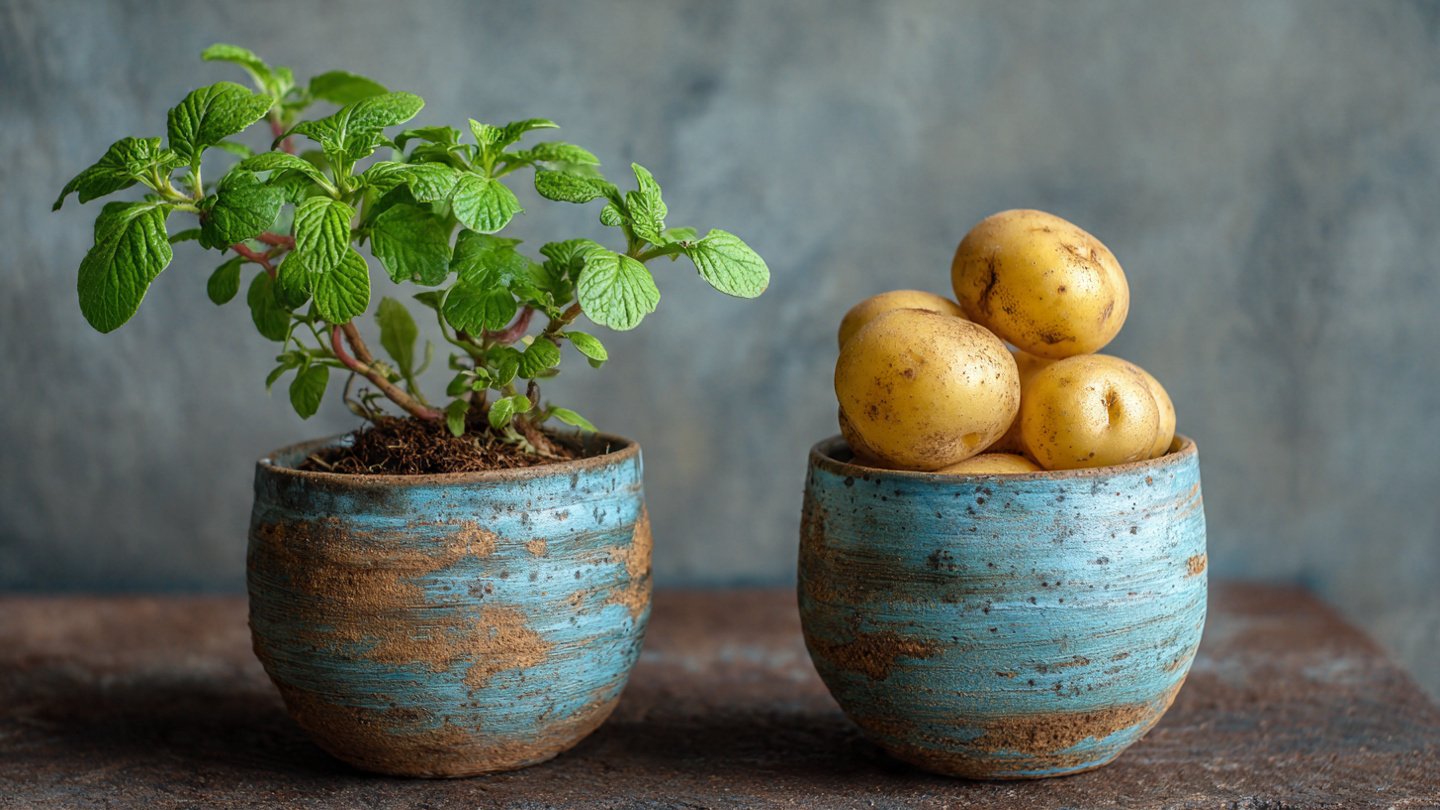
Growing potatoes at home can be a rewarding and enjoyable experience, providing you with an abundant supply of fresh vegetables. Whether you have a sprawling garden or just a small balcony, potatoes can thrive with the right techniques. This comprehensive guide offers simple yet effective methods to cultivate potatoes at home.
Why Grow Potatoes?
Potatoes are an essential staple food worldwide, praised for their versatility and heartiness. They are rich in carbohydrates and nutrients, making them a healthy choice. Growing your own potatoes can also save money and reduce your carbon footprint, allowing you to enjoy organic produce without the supermarket mark-up.
Latest Posts
- How to Use Invisible Wire for a Stunning Climbing Plant Wall
- Are Your Garden Tools Making Your Plants Sick?
- How to Style a Small Studio with Columnar Cacti
- Why Is My Zucchini Shaped Like a Lightbulb?
- How to Protect Your Fruit From Birds Without Nets
- How to Keep Squirrels Away from Your Fruit Trees
- How to Protect Your Fruit from Birds Without Nets
- Why Biochar Is a Game-Changer for Your Kitchen Garden
- Why Some Rare Cacti Bloom Only One Night a Year
- How to Grow Rare Blue Strawberries at Home
Choosing the Right Variety
Before diving into cultivation, it’s crucial to select the right potato variety. Here are some common types:
-
Russet Potatoes: Ideal for baking and frying, with a fluffy texture.
-
Red Potatoes: Great for boiling and salads, with a waxy texture.
-
Yukon Gold: Versatile and creamy, suitable for various cooking methods.
-
Fingerling Potatoes: Unique shapes and flavors, perfect for gourmet dishes.

Consider your local climate and choose a variety that thrives in your conditions.
Preparing to Plant
1. Seed Potatoes
Begin with certified seed potatoes instead of those from the grocery store. Seed potatoes are specifically grown to be disease-free and are less likely to produce poor-quality yields. Cut larger seed potatoes into pieces, ensuring each piece has at least one “eye” or bud. Allow these pieces to dry for about 24 hours before planting to reduce the risk of rot.
2. Soil Preparation
Potatoes prefer well-drained, loose soil rich in organic matter. Follow these steps to prepare your soil:
- Site Selection: Choose a location that receives full sun (6-8 hours daily).
- Soil Testing: Check the pH level; potatoes thrive in slightly acidic soil (pH 5.0 to 6.5).
- Amend the Soil: Incorporate compost or well-rotted manure to improve soil fertility and drainage.
Planting Potatoes
1. Timing
The best time to plant potatoes is typically in early spring, once the soil temperature reaches at least 45°F (7°C). In warmer climates, they can also be planted in the fall.

2. Planting Depth and Spacing
- Depth: Dig trenches about 4 inches deep.
- Spacing: Place seed potato pieces about 12 inches apart in the trench and cover them with soil.
3. Mulching
After planting, apply a layer of mulch (straw, grass clippings, or leaves) to retain moisture, suppress weeds, and regulate soil temperature.
Caring for Your Potato Plants
1. Watering
Potatoes need consistent moisture, especially during tuber formation. Water your plants deeply once a week or more often if conditions are particularly dry. Avoid overwatering to prevent rot.
2. Hilling
As your potato plants grow, mound soil around the base of the plants (hilling) when they reach about 6 inches high. Hilling encourages the development of tubers by preventing them from being exposed to sunlight, which can cause them to turn green and become toxic.
3. Fertilization
Starve your plants of nutrients. Use a balanced fertilizer (10-10-10) to encourage growth. Apply the fertilizer when the plants are about 6 inches tall and again when you hill them.

4. Pest and Disease Management
Regularly inspect your potato plants for pests like aphids, potato beetles, and cutworms. Use organic pest control methods, such as insecticidal soap or neem oil. Practice crop rotation and minimize watering stress to reduce the risk of diseases like blight.
Harvesting Potatoes
1. When to Harvest
Potatoes can be harvested early (young or “new” potatoes) or late (mature potatoes). For new potatoes, you can begin harvesting about 2-3 weeks after the plants bloom. For mature potatoes, wait until the foliage begins to yellow and die back.
2. Harvesting Method
Use a garden fork or spade to carefully lift potatoes from the soil, taking care not to puncture them. Once harvested, brush off excess soil, but avoid washing them until you’re ready to use them to prevent decay during storage.
3. Curing and Storing
After harvesting, cure your potatoes by placing them in a dark, cool, and well-ventilated area for about 2 weeks. This process helps to thicken the skins and prolong their storage life. Store your cured potatoes in a cool (45-50°F or 7-10°C), dark place with good airflow.
Common Challenges
- Blight: Fungal infection causing wilting and dark spots. Prevent with proper watering and crop rotation.
- Pests: Such as Colorado potato beetles. Hand-pick or use organic treatments to manage infestations.
- Fertilizer Burn: Over-fertilizing can harm plants; always follow recommended guidelines.

Frequently Asked Questions (FAQs)
Q1: Can I grow potatoes in containers?
Absolutely! Use deep containers (at least 12 inches) and fill them with well-draining soil. Plant seed potatoes as you would in the garden, and you can hill them by adding more soil as they grow.
Q2: How do I prevent potatoes from turning green?
Ensure that tubers are adequately covered with soil during hilling and avoid exposing them to sunlight. If exposed, remove the green parts before cooking.
Q3: How long does it take for potatoes to grow?
Generally, it takes about 70 to 120 days from planting to harvest, depending on the variety and growing conditions.
Q4: Can I plant potatoes from the grocery store?

It’s not recommended. Grocery store potatoes may be treated with sprout inhibitors. Use certified seed potatoes for the best results.
Q5: How do I know when potatoes are ready to harvest?
For mature potatoes, wait until the plant’s foliage turns yellow and begins to die back. For new potatoes, harvest 2-3 weeks after flowering.
Q6: What diseases should I watch for while growing potatoes?
Common diseases include late blight, early blight, and scab. You can manage these through crop rotation, avoiding overcrowding, and maintaining good soil health.
Conclusion
Growing potatoes at home can be a fun and fulfilling project that results in a delicious harvest. By following these simple techniques and tips, you can successfully cultivate healthy potatoes in your own backyard or limited spaces. Remember to choose the right variety, provide adequate care, and harvest at the right time. With patience and attention, you’ll be enjoying homegrown potatoes in no time!