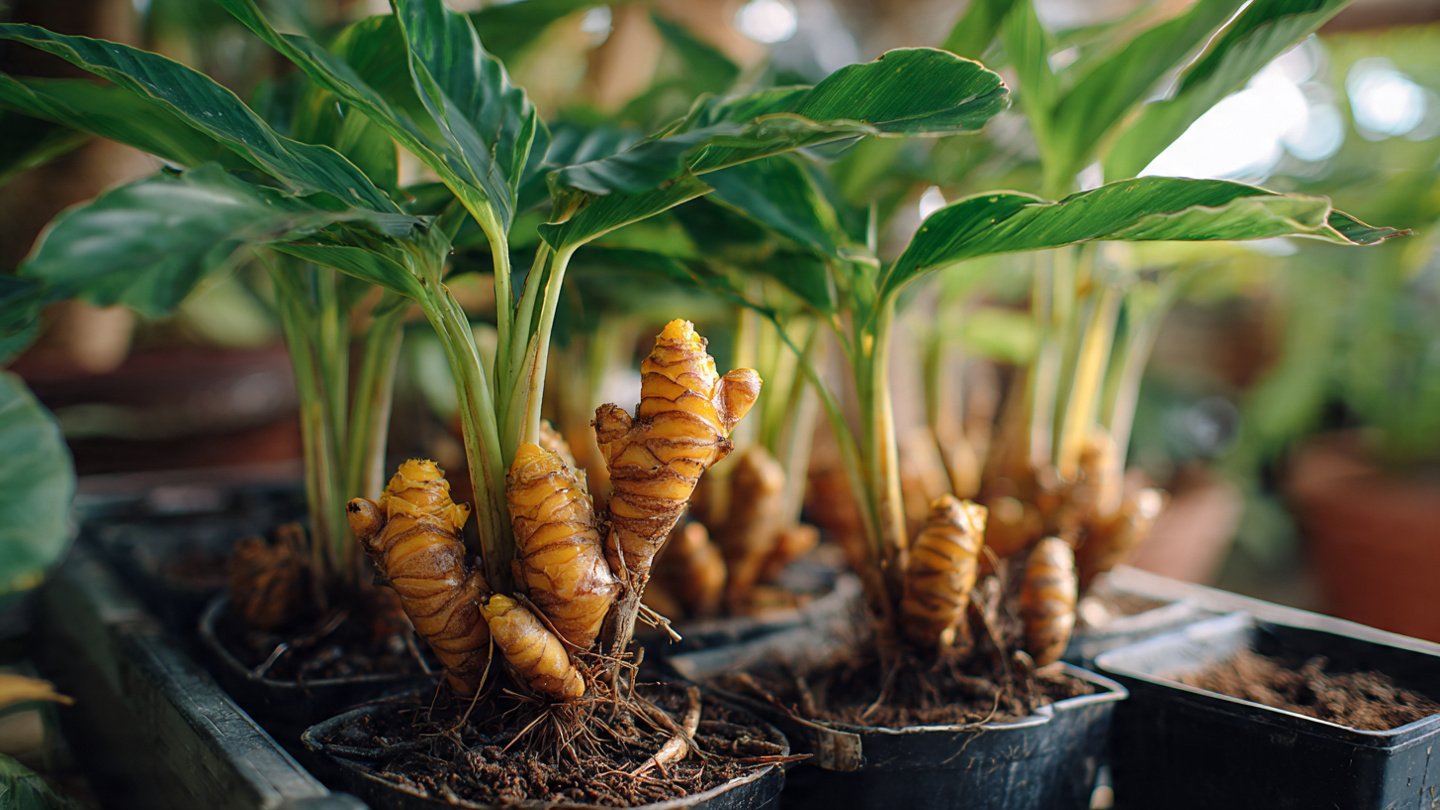
Turmeric (Curcuma longa) is a vibrant, golden spice renowned for its culinary and medicinal properties. Beyond its use in kitchens around the world, turmeric is also celebrated for its potential health benefits, including anti-inflammatory and antioxidant properties. For those with limited garden space or who prefer to cultivate plants in a more manageable environment, growing turmeric in containers is a highly rewarding option. Here’s your ultimate guide to growing turmeric successfully in containers.
Understanding Turmeric
Before delving into the growth process, it’s essential to understand what turmeric is. Turmeric is a tropical plant in the ginger family, and it thrives in warm, humid conditions. The rhizome, which is the underground stem of the plant, is the part used for culinary purposes and is packed with curcumin, the compound responsible for the spice’s vibrant color and health benefits.
Latest Posts
- How to Use Invisible Wire for a Stunning Climbing Plant Wall
- Are Your Garden Tools Making Your Plants Sick?
- How to Style a Small Studio with Columnar Cacti
- Why Is My Zucchini Shaped Like a Lightbulb?
- How to Protect Your Fruit From Birds Without Nets
- How to Keep Squirrels Away from Your Fruit Trees
- How to Protect Your Fruit from Birds Without Nets
- Why Biochar Is a Game-Changer for Your Kitchen Garden
- Why Some Rare Cacti Bloom Only One Night a Year
- How to Grow Rare Blue Strawberries at Home
Benefits of Growing Turmeric in Containers
- Space Efficiency: Container gardening allows you to grow turmeric even in small spaces, such as balconies or patios.
- Soil Control: You can tailor the soil mixture to the plant’s specific needs, ensuring optimal growth conditions.
- Mobility: Containers can be moved to ensure the plant receives adequate sunlight and protection from adverse weather.
- Pest Management: Growing in containers can help reduce pest infestations and diseases common in ground gardening.
Selecting the Right Container
Size and Material
When deciding on a container for turmeric, consider the following:
- Size: Turmeric needs ample space to grow; a container that is at least 12 inches deep and wide is ideal. A 5-gallon pot is a good choice for multiple plants.
- Material: Containers can be made from various materials—plastic, clay, or metal. Ensure the material provides adequate drainage. Terracotta containers are aesthetic but may require more watering as they dry out quickly.

Drainage
Proper drainage is crucial. Ensure your container has drainage holes to prevent water from accumulating, which can lead to root rot. You can place a layer of gravel at the bottom of the container to facilitate drainage.
Choosing the Right Soil
Turmeric prefers well-draining, nutrient-rich soil. A good potting mix typically consists of:
- 1 part potting soil
- 1 part compost
- 1 part perlite or coarse sand to enhance drainage
This combination ensures the soil retains necessary moisture while allowing excess water to escape.
Planting Turmeric
Selecting Rhizomes
The first step in planting turmeric is choosing healthy rhizomes. Look for fresh turmeric roots with visible eyes or buds, which indicate that they are ready to sprout. You can buy turmeric rhizomes from local garden centers, farmers’ markets, or online.
Prepping the Rhizomes
- Soak: Soak the rhizomes in water for a few hours or overnight to encourage sprouting (especially if they’re dry).
- Cut: If you’re using larger rhizomes, you can cut them into smaller pieces, with each piece having at least one eye.

Planting Process
- Fill the Container: Fill your container with the prepared potting mix, leaving some space at the top.
- Plant the Rhizome: Plant the rhizomes about 2 to 4 inches deep, with the buds facing upwards. Make sure to space them about 12 inches apart if you’re planting multiple pieces.
- Watering: After planting, water the soil thoroughly but avoid making it soggy. Maintain consistent moisture but allow the top layer of soil to dry out slightly between waterings.
Caring for Your Turmeric Plant
Light Requirements
Turmeric thrives in full sun to partial shade. If possible, place your container in a spot where it can receive at least 6-8 hours of sunlight daily. In extremely hot climates, some afternoon shade can prevent the leaves from scorching.
Watering
Keep the soil consistently moist but not waterlogged. During hot summer months, you may need to water more frequently. Observe the soil moisture level; if the top inch feels dry, it’s time to water.
Fertilization
Turmeric benefits from regular fertilization, particularly during its growing season. Use a balanced liquid fertilizer (like a 10-10-10 NPK ratio) every four to six weeks. Incorporating organic matter like compost can also boost growth.
Pest and Disease Management
Be vigilant about potential pests such as aphids or spider mites. Regularly inspect your plants for any signs of stress or infestation. Using a diluted soap solution or neem oil can help manage pests organically.

Harvesting Turmeric
Signs of Maturity
Turmeric typically takes about 8-10 months to mature. Signs of readiness include:
- The plant’s leaves start to yellow and die back.
- The rhizomes have achieved a firm size.
Harvesting Process
- Cutting the Plants: Using a sharp spade or garden knife, cut back the foliage once it begins to yellow.
- Removing the Rhizomes: Carefully dig around the roots to lift out the rhizomes. Take care not to damage them.
- Cleaning: Rinse the harvested rhizomes under running water to remove soil and debris.
- Curing: Leave the rhizomes in a warm, dry place to cure for a few days before storing.
Storing Turmeric
Once harvested, turmeric can be stored in several ways:
- Fresh: Store fresh rhizomes in the fridge for several weeks.
- Dried: Grind cured rhizomes into powder and store in an airtight container in a cool, dark place.
- Frozen: Wrap fresh rhizomes in plastic and freeze them for long-term storage.

Common Challenges
Overwatering
Be cautious not to overwater. Signs of overwatering include yellowing leaves and a sour smell from the soil.
Low Temperature
Turmeric prefers warm temperatures. If exposed to cold (below 50°F/10°C), growth will slow down. Bringing your container indoors during cold months can help.
FAQs
1. How long does it take for turmeric to grow?
Turmeric typically takes about 8-10 months from planting to harvest.
2. Can turmeric be grown indoors?
Yes, turmeric can be grown indoors as long as it receives sufficient sunlight (6-8 hours) and warm temperatures.
3. What climate is best for growing turmeric?
Turmeric thrives in tropical and subtropical climates, enjoying warm, humid conditions. If you live in a cooler region, consider growing turmeric indoors or in a greenhouse.
4. How often should I water my turmeric plants?

Water your turmeric plants regularly to keep the soil consistently moist, but avoid overwatering. Check the top inch of soil; if it’s dry, it’s time to water.
5. Do I need to fertilize turmeric plants?
Yes, fertilization helps promote healthy growth. Use a balanced liquid fertilizer every four to six weeks during the growing season.
6. Can I grow turmeric from store-bought rhizomes?
Yes, you can grow turmeric from fresh rhizomes bought at grocery stores, as long as they’re healthy and have visible buds.
7. What are common pests that affect turmeric?
Common pests include aphids, spider mites, and whiteflies. Regular inspection and organic treatments can manage these issues effectively.
8. Can I grow turmeric year-round?
In warm climates, turmeric can grow year-round. In cooler climates, it’s typically grown as an annual.
Conclusion
Growing turmeric in containers is an accessible and fulfilling gardening project for home gardeners of all levels. It offers the opportunity to enjoy fresh turmeric at home while providing a visually appealing plant to enhance your garden or indoor space. With the right care and attention, you can successfully cultivate this vibrant spice and enjoy its numerous benefits throughout the year. Happy gardening!