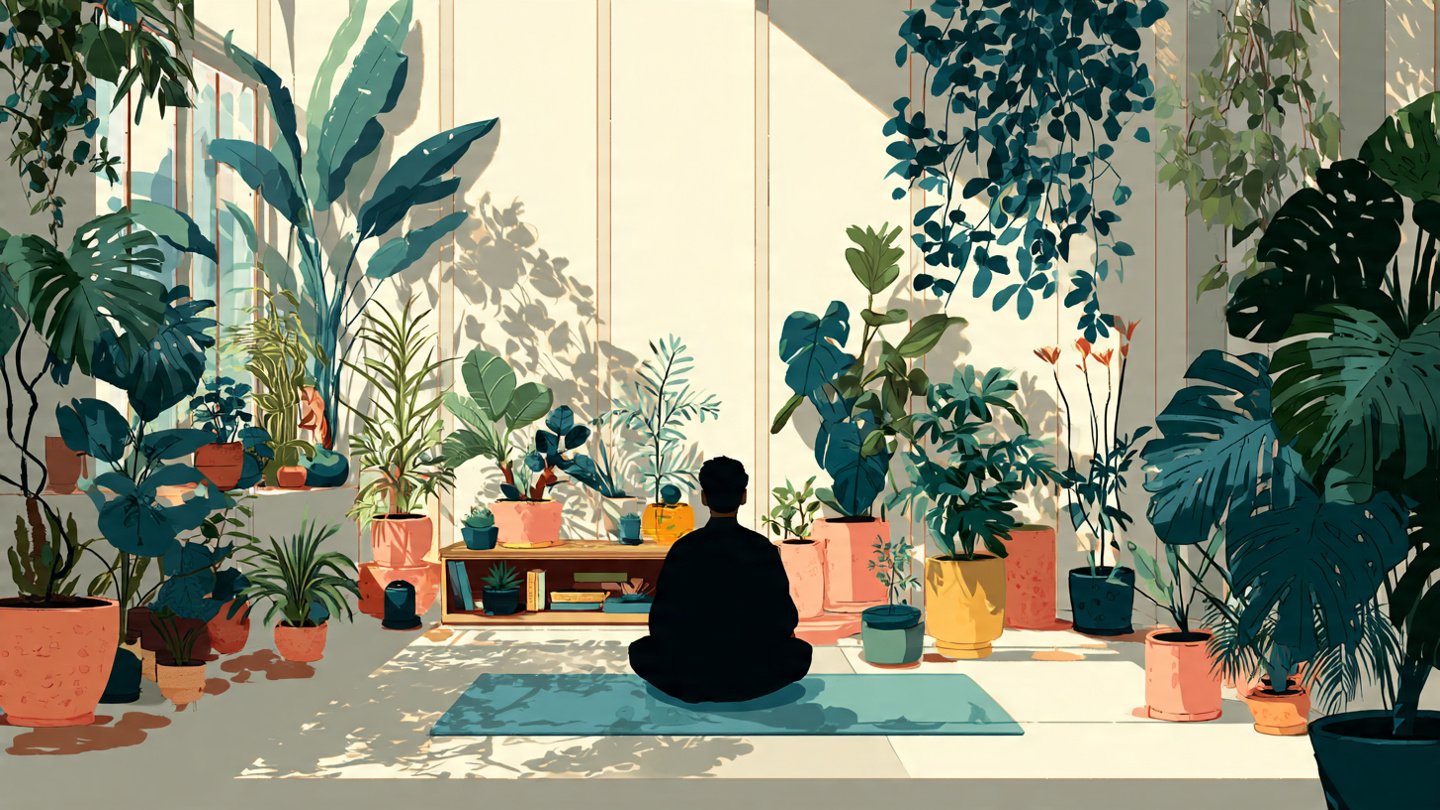
In recent years, indoor gardening has surged in popularity, emerging as not just a trend but a fulfilling lifestyle choice. This practice has proven incredibly valuable not only for enhancing our living spaces but also for fostering mental wellbeing. This article dives into the multifaceted benefits of indoor gardening, exploring how nurturing plants can improve our mood, reduce stress, and beautify our homes.
The Connection Between Nature and Mental Health
1. The Therapeutic Effects of Greenery
Latest Posts
- How to Use Invisible Wire for a Stunning Climbing Plant Wall
- Are Your Garden Tools Making Your Plants Sick?
- How to Style a Small Studio with Columnar Cacti
- Why Is My Zucchini Shaped Like a Lightbulb?
- How to Protect Your Fruit From Birds Without Nets
- How to Keep Squirrels Away from Your Fruit Trees
- How to Protect Your Fruit from Birds Without Nets
- Why Biochar Is a Game-Changer for Your Kitchen Garden
- Why Some Rare Cacti Bloom Only One Night a Year
- How to Grow Rare Blue Strawberries at Home
Scientific studies overwhelmingly support the notion that interaction with nature can have profound positive effects on mental health. Exposure to greenery has been linked to reductions in anxiety, depression, and stress. A study published in the Journal of Environmental Psychology indicated that spending time around plants can boost mood and enhance overall satisfaction with life.
Biophilia Hypothesis
The biophilia hypothesis suggests that humans have an inherent connection to nature. This instinctive bond promotes emotional well-being, as interacting with plants provides sensory stimulation and encourages mindfulness—qualities increasingly overlooked in our urbanized, fast-paced lifestyles.
2. Mindfulness and Engagement
Indoor gardening encourages mindfulness, a practice that involves being present in the moment. Engaging with plants—whether through watering, pruning, or observing their growth—requires focus and intention, helping to quiet racing thoughts.
Sensory Experience
The sensory experiences associated with indoor gardening—such as the texture of leaves, the smell of soil, and the vibrant colors of flowers—can enhance relaxation and reduce stress. This sensory engagement can serve as a form of meditation, promoting calmness and introspection.
Aesthetic Advantages of Indoor Gardening

1. Enhancing Home Decor
Indoor plants serve as excellent decor items. They add life, color, and texture to any space. The variety of plants available today—from lush ferns to sleek succulents—means there’s something for every style, whether minimalist or bohemian.
Creating Focal Points
Incorporating plants into interior design can create attractive focal points, enhancing the aesthetic value of a room. For example, a large fiddle leaf fig in a corner can draw the eye and break up monotony in a space.
2. Improving Air Quality
Indoor plants enhance aesthetic qualities but also contribute positively to air quality. Through a process called photosynthesis, plants absorb carbon dioxide and release oxygen, cleansing the air we breathe. Certain plants, like snake plants and spider plants, are recognized for their ability to filter indoor pollutants, promoting a healthier living environment.
Practical Benefits of Indoor Gardening
1. Learning and Creativity
Indoor gardening fosters a mindset of learning and creativity. Gardening is not simply about watering plants; it requires understanding their needs, experimenting with soil mixes, and orchestrating light exposure. This trial-and-error process keeps the mind engaged and promotes critical thinking.
Children and Learning
Involving children in indoor gardening can enhance their understanding of biology and responsibility. Nurturing plants can be a fun, educational experience, fostering a sense of accomplishment.
2. Availability of Fresh Herbs and Vegetables

Among the most rewarding aspects of indoor gardening is the opportunity to grow fresh herbs and vegetables. Incorporating a small herb garden—containing plants like basil, thyme, or mint—provides fresh ingredients for cooking, enhancing culinary experiences.
Health Benefits
Growing your herbs means you can avoid pesticides and control the quality of your food, contributing to a healthier lifestyle.
Social and Community Aspects
1. Connecting with Others
Gardening can also serve as a communal activity, fostering connections with friends and family. Whether sharing gardening tips, exchanging plants, or simply enjoying the beautified space together, indoor gardening strengthens relationships.
Online Communities and Workshops
As the indoor gardening trend grows, so do online communities and workshops. These platforms provide opportunities to connect, share experiences, and inspire each other with ideas and tips on plant care.
2. A Sense of Accomplishment
Completing gardening tasks can provide a noteworthy sense of achievement. Whether propagating a new plant or witnessing significant growth, these small victories contribute to a sense of purpose and fulfillment, enhancing overall wellbeing.
Indoor Gardening Techniques for Success
1. Choosing the Right Plants

Selecting the right plants is crucial for beginners. Consider low-maintenance plants such as pothos, peace lilies, or ZZ plants if you’re just starting. They thrive in various indoor conditions and require minimal upkeep.
2. Optimal Lighting
Understanding your home’s lighting is vital. Some plants require bright, direct sunlight, while others flourish in low-light conditions. Placing plants in the right spots can spell the difference between thriving growth and struggling plants.
3. Consistent Care
Establishing a regular watering and feeding schedule helps keep indoor plants healthy. Overwatering is a common mistake among new indoor gardeners, so it’s essential to understand each plant’s unique needs.
Sustainability and Indoor Gardening
1. Eco-Friendly Practice
Indoor gardening contributes to sustainable living practices. Growing your plants reduces reliance on store-bought produce, thereby lowering your carbon footprint.
Composting
Starting a small compost bin for kitchen scraps can enhance your indoor gardening efforts. This practice not only recycles waste but also enriches soil, promoting plant health.
2. Mindful Consumption
Growing your herbs and vegetables instills a conscious approach to consumption. It cultivates an awareness of the food cycle, inspiring more sustainable choices in other aspects of life.

FAQs about Indoor Gardening
1. What plants are best for beginners?
- Some excellent beginner-friendly plants include pothos, snake plants, peace lilies, and succulents. They require minimal care and can thrive in various lighting conditions.
2. How much sunlight do indoor plants need?
- This varies based on the type of plant. Some plants prefer bright, direct sunlight, while others do best in low light. Always check specific plant needs for optimal growth.
3. How do I prevent overwatering?
- Ensure that your pots have drainage holes, and only water when the top inch of soil feels dry. Observing your plants can also help; if the leaves are yellowing, it could be a sign of overwatering.
4. Can indoor gardening help improve air quality?
- Yes, many indoor plants help filter pollutants and improve air quality. Plants like snake plants, spider plants, and peace lilies are known for their air-purifying capabilities.

5. What are the mental health benefits of indoor gardening?
- Indoor gardening can reduce stress, enhance mood, and promote mindfulness. Engaging with plants encourages focus and can lead to feelings of accomplishment and joy.
6. Can I grow vegetables indoors?
- Yes, many vegetables can be grown indoors, including herbs, lettuce, and even small peppers or tomatoes. Ensure you provide sufficient light and proper care.
7. Are there online resources to learn more about indoor gardening?
- Absolutely! There are numerous online gardening communities, blogs, and video tutorials available that provide tips, tricks, and support for indoor gardening enthusiasts.
Conclusion
Indoor gardening is a multifaceted practice that extends beyond merely growing plants; it nurtures mental wellbeing, enhances home aesthetics, fosters community connections, and promotes sustainability. As we embrace this green lifestyle, we not only beautify our spaces but also cultivate a more mindful, peaceful existence. Whether you’re a seasoned gardener or just starting, the rewards of indoor gardening can profoundly impact your mental health and overall quality of life. By welcoming plants into our homes, we open the door to a more vibrant and mindful way of living.