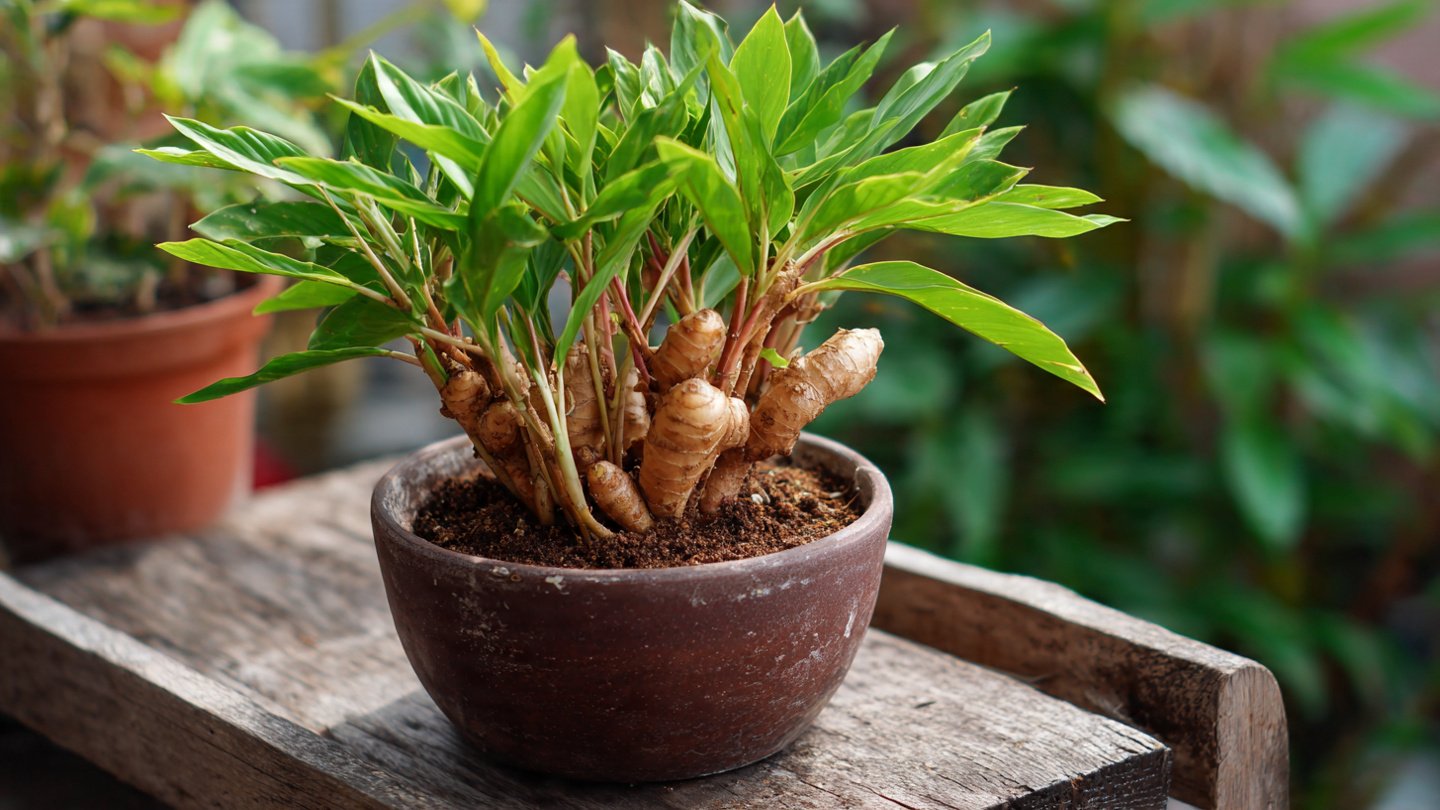
Growing ginger at home can be both a rewarding and enjoyable experience. This versatile spice adds flavor to a variety of dishes and has numerous health benefits. Growing ginger in a pot allows you to control the growing conditions and ensures that you have fresh ginger available whenever you need it. In this comprehensive guide, we will explore everything you need to know about successfully growing ginger in pots at home.
1. Understanding Ginger
1.1 What is Ginger?
Latest Posts
- How to Use Invisible Wire for a Stunning Climbing Plant Wall
- Are Your Garden Tools Making Your Plants Sick?
- How to Style a Small Studio with Columnar Cacti
- Why Is My Zucchini Shaped Like a Lightbulb?
- How to Protect Your Fruit From Birds Without Nets
- How to Keep Squirrels Away from Your Fruit Trees
- How to Protect Your Fruit from Birds Without Nets
- Why Biochar Is a Game-Changer for Your Kitchen Garden
- Why Some Rare Cacti Bloom Only One Night a Year
- How to Grow Rare Blue Strawberries at Home
Ginger (Zingiber officinale) is a flowering plant in the family Zingiberaceae, whose rhizome, commonly known as ginger root, is widely used as a spice and for its medicinal properties. Ginger is native to Southeast Asia, but it has found its way into cuisines and kitchens all over the world.
1.2 Health Benefits of Ginger
Ginger is known for its numerous health benefits:
- Digestive Aid: Helps alleviate nausea, especially during pregnancy.
- Anti-inflammatory: Contains powerful anti-inflammatory properties that can help reduce pain and muscle soreness.
- Antioxidant: Loaded with antioxidants that help protect your body from oxidative stress.
- Immune Booster: Strengthens your immune system, helping to fend off colds and flu.
2. Choosing the Right Ginger for Planting
2.1 Types of Ginger
While there are many varieties of ginger, for home gardening, you can choose the common culinary ginger, which is readily available at most grocery stores. Look for plump, fresh, and healthy rhizomes with visible “eyes” or buds.
2.2 Where to Buy Ginger for Planting

You can purchase ginger rhizomes from:
- Local grocery stores
- Farmers’ markets
- Garden centers
- Online plant suppliers
2.3 Preparing Ginger for Planting
- Selecting Rhizomes: Choose firm, healthy rhizomes with several eyes.
- Soaking: Soak the rhizomes in warm water for a few hours before planting. This encourages sprouting.
3. Selecting the Right Pot and Soil
3.1 Choosing the Right Pot
- Size: Opt for a pot that is at least 12 inches in diameter and 12 inches deep. Ginger grows horizontally, so it needs space to spread.
- Material: Terra-cotta or plastic pots are good options as they provide excellent drainage.
3.2 Preparing the Soil
Ginger thrives in well-draining soil rich in organic matter. A mix of potting soil with compost, peat moss, and perlite works well.
Soil Requirements:

- pH Level: Ginger prefers a slightly acidic to neutral pH (5.5 to 7.0).
- Nutrient-Rich: Ensure the soil is rich in nutrients, as ginger is a heavy feeder.
4. Planting Ginger
4.1 When to Plant
The best time to plant ginger is in the spring when temperatures are consistently above 60°F (15°C). In warmer climates, you can plant ginger year-round.
4.2 How to Plant
- Fill the Pot: Fill the pot with the prepared soil mix, leaving about 2 inches at the top.
- Plant the Rhizome: Place the rhizome in the soil, burying it slightly. Ensure the eyes are facing up.
- Water: Gently water the soil to settle it around the rhizome.
4.3 Mulching
After planting, apply a layer of mulch to help retain moisture and suppress weeds.
5. Caring for Your Ginger Plant
5.1 Watering
Ginger needs consistently moist soil, but overwatering can lead to rot. Water when the top inch of soil feels dry.

5.2 Sunlight Requirements
Ginger loves indirect sunlight. Place your pot in a spot where it receives bright, indirect light for about 6-8 hours a day. Too much direct sunlight can scorch the leaves.
5.3 Fertilizing
Fertilize your ginger plant every 4-6 weeks with a balanced, water-soluble fertilizer or an organic option like fish emulsion. This will promote healthy growth.
5.4 Protecting from Pests and Diseases
- Common Pests: Watch out for aphids, spider mites, and whiteflies. Use insecticidal soap or neem oil to control infestations.
- Diseases: Root rot can occur from overwatering. Ensure good drainage and avoid letting the roots sit in water.
6. Harvesting Ginger
6.1 When to Harvest
Ginger can take about 8-10 months to mature. You can start harvesting once the leaves start to turn yellow and die back.
6.2 How to Harvest
- Check for Size: Use your fingers to feel under the soil and check the size of the rhizomes.
- Harvest Carefully: Use a garden fork to carefully lift the rhizome out of the pot, avoiding damage.
- Leaving Some Behind: Cut off what you need while leaving some rhizomes in the pot to continue growing.
6.3 Storing Ginger
Fresh ginger can be used immediately or stored in a cool, dry place. You can also freeze ginger for longer shelf life.
7. Troubleshooting Common Issues
7.1 Slow Growth
- Cause: Insufficient sunlight, poor soil quality, or not enough water.
- Solution: Ensure the plant is getting enough light and nutrients.
7.2 Yellow Leaves
- Cause: Overwatering or nutrient deficiency.
- Solution: Adjust watering habits and consider fertilizing.
7.3 Wilting Plants
- Cause: Underwatering or exposure to direct sunlight.
- Solution: Check soil moisture and relocate to a less direct light area.
8. FAQs
8.1 Can I grow ginger indoors?
Yes, you can grow ginger indoors as long as it receives sufficient indirect light.
8.2 How often should I water my ginger plant?

Water your ginger plant whenever the top inch of soil feels dry. Typically, this will be once every few days, but it may vary based on environmental conditions.
8.3 How long does ginger take to grow?
Ginger typically takes about 8-10 months to fully mature.
8.4 Can I plant ginger from the grocery store?
Yes, you can plant ginger from the grocery store, but ensure that it’s organic and not treated with growth inhibitors.
8.5 Will ginger survive winter?
Ginger can be grown year-round in warm climates. In colder regions, it’s best to bring the pot indoors during the winter.
8.6 How do I know when my ginger is ready to harvest?
Your ginger is ready to harvest when the leaves turn yellow and die back. You can also gently feel for the size of the rhizomes in the soil.
8.7 What is the best way to store harvested ginger?
Fresh ginger can be stored in a cool, dry place or refrigerated. For longer storage, you can freeze it.
Conclusion
Growing ginger in a pot at home is a simple and rewarding process. With the right conditions, care, and attention, you can enjoy fresh ginger all year long. From selecting your rhizomes to harvesting and storing your ginger, this guide provides you with everything you need to know for a successful ginger-growing experience. Happy gardening!