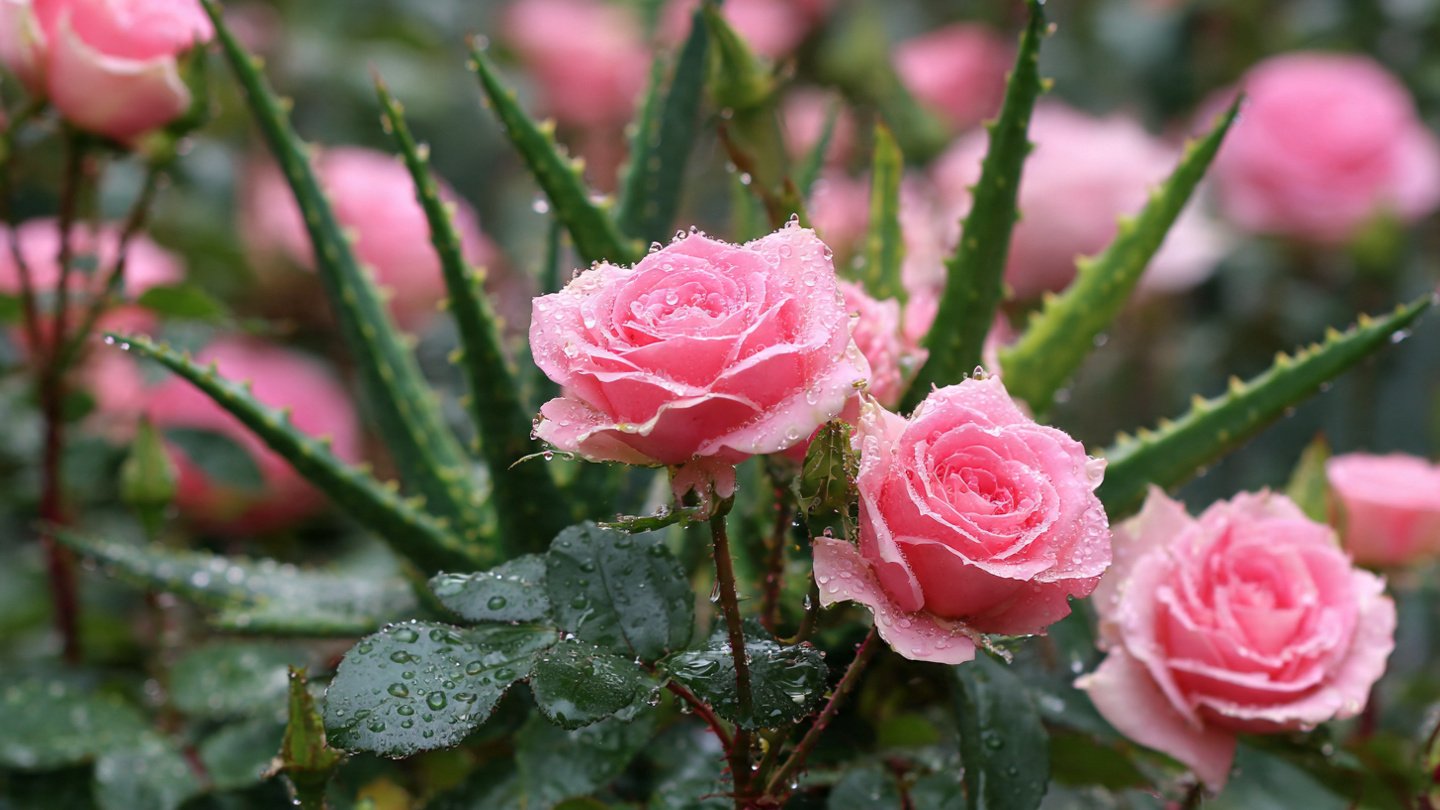
Growing beautiful roses from cuttings can be a rewarding experience for any gardening enthusiast. Roses, with their stunning blooms and fragrant scents, are not just a visual treat but also a testament to the love and care poured into their cultivation. One incredible ally in this gardening journey is the humble aloe vera. This succulent, known for its myriad health benefits, can also play a vital role in supporting the growth of rose cuttings. Let’s explore the secrets of how to grow beautiful rose cuttings with the help of aloe vera for a thriving home garden.
The Allure of Roses
Why Grow Roses?
Latest Posts
- How to Use Invisible Wire for a Stunning Climbing Plant Wall
- Are Your Garden Tools Making Your Plants Sick?
- How to Style a Small Studio with Columnar Cacti
- Why Is My Zucchini Shaped Like a Lightbulb?
- How to Protect Your Fruit From Birds Without Nets
- How to Keep Squirrels Away from Your Fruit Trees
- How to Protect Your Fruit from Birds Without Nets
- Why Biochar Is a Game-Changer for Your Kitchen Garden
- Why Some Rare Cacti Bloom Only One Night a Year
- How to Grow Rare Blue Strawberries at Home
Roses have been cherished for centuries, symbolizing love, beauty, and even secrecy. They are available in diverse colors and varieties, each with unique characteristics and requirements. The ability to propagate roses from cuttings allows gardeners to cultivate their favorite varieties affordably while creating a personal touch in their gardens.
Choosing the Right Rose Variety
Before diving into propagation, it’s essential to select the right variety of rose. Some popular choices for beginners include:
- Hybrid Tea Roses: Known for their long stems and classic blooms.
- Floribunda Roses: These are hardy and produce clusters of flowers.
- Climbing Roses: Ideal for trellises and vertical spaces, providing an elegant look.
The Power of Aloe Vera
Why Use Aloe Vera?
Aloe vera is celebrated for its healing properties and nutritional benefits, but its role in gardening, particularly in propagating rose cuttings, is equally remarkable. Here’s why aloe vera is a fantastic addition to your gardening toolkit:

- Natural Rooting Hormone: Aloe vera contains compounds that promote root growth and help the cuttings establish themselves.
- Antimicrobial Properties: The gel from aloe vera can protect cuttings from bacteria and fungi, preventing decay.
- Moisture Retention: The gel also retains moisture, creating a favorable environment for cuttings.
Step-by-Step Guide to Growing Rose Cuttings with Aloe Vera
Step 1: Gather Your Supplies
You’ll need the following supplies:
- Healthy rose stems for cuttings
- Fresh aloe vera leaves
- Clean, sharp scissors or pruning shears
- Rooting hormone (optional)
- Small pots or nursery trays
- Potting mix or a soil-less medium
- Spray bottle filled with water

Step 2: Selecting the Cuttings
Choose healthy stems from a rose plant. Look for stems that are about 6-8 inches long with several leaf nodes. Ideally, the stem should be semi-woody, which means it’s not too soft and not fully matured.
Step 3: Preparing the Cuttings
- Cut the Stems: Using clean scissors, cut the stems at a 45-degree angle. This technique maximizes the surface area for absorption and helps the cutting take root more easily.
- Remove Lower Leaves: Strip the leaves from the lower half of the stem, being careful not to damage the nodes where the roots will sprout.
- Aloe Vera Application: Take a fresh aloe vera leaf and extract the gel. Apply the gel generously to the cut end of the rose cutting. This gel will act as a natural rooting hormone, promoting root development and protecting against infection.
Step 4: Planting the Cuttings
- Prepare the Pots: Fill small pots or nursery trays with a well-draining potting mix or soil-less medium.
- Plant the Cuttings: Make a hole in the soil with your finger (or a pencil) and gently insert the aloe-treated cutting into the soil. Firm the soil around the stem to hold it upright.
- Watering: Lightly water the soil, ensuring it is moist but not soggy. Overwatering can lead to rot.
Step 5: Creating an Ideal Environment
To encourage rooting, it’s essential to create a conducive environment:
- Humidity: Cover the pots with a plastic bag or a humidity dome to maintain moisture. Make sure to ventilate occasionally to prevent mold.
- Light: Place the pots in a location with indirect sunlight. Too much direct sunlight can stress the cuttings.
- Temperature: Ideally, keep the temperature between 70-75°F (21-24°C) for optimal growth.

Step 6: Care and Maintenance
- Monitoring: Check the moisture levels regularly, and mist the cuttings if necessary. Make sure the soil remains consistently moist.
- Patience: Rooting may take a few weeks to a couple of months, depending on the rose variety and environmental conditions.
- Transitioning: Once the cuttings have developed a healthy root system, gradually acclimate them to outdoor conditions before planting them in your garden.
Troubleshooting Common Issues
Wilting Cuttings
If your cuttings start to wilt, check the moisture level. They may need more humidity or water. It might be necessary to mist them more frequently or adjust the covering.
Mold Growth
Mold can develop if there is too much humidity. Ventilate the covering and reduce moisture to prevent fungal growth.
Slow Rooting
If your cuttings are taking longer to root, ensure that the temperature is warm enough. Consider using a heat mat to provide additional warmth for quicker root development.
Final Steps: Planting Your Roses
Once your rose cuttings have established strong roots, it’s time to transplant them into a larger pot or directly into your garden. Here are the essentials for successful transplantation:
- Timing: Transplant during the early morning or late afternoon to reduce stress on the plants.
- Soil Preparation: Ensure the garden soil is well-draining and enriched with organic matter.
- Space: Plant the roses according to their variety’s spacing requirements, allowing room for growth.
FAQs
Q1: How long does it take for rose cuttings to root?
A: It typically takes 2 to 8 weeks for rose cuttings to root, depending on the rose variety and environmental conditions.
Q2: Can I use aloe vera for other plants besides roses?
A: Yes, aloe vera’s rooting properties can benefit a variety of plants, including succulents, houseplants, and some herbs.
Q3: Should I use rooting hormone in addition to aloe vera?
A: While aloe vera acts as a natural rooting hormone, using an additional commercial rooting hormone can improve success rates, especially for difficult varieties.

Q4: How often should I water my rose cuttings?
A: Keep the soil consistently moist but not soggy. Typically, watering once every few days should be sufficient, but always check soil moisture first.
Q5: Can I propagate roses from any stem?
A: It’s best to use semi-woody stems that have been taken from healthy, mature roses. Avoid using stems from diseased or weak plants.
Q6: What is the best time of year to take rose cuttings?
A: The best time to take rose cuttings is during the growing season, typically in late spring or early summer when the plants are actively growing.
Conclusion
Growing beautiful roses from cuttings can be an enriching experience, especially when leveraging the natural qualities of aloe vera. By following the steps outlined in this guide, you can cultivate stunning rose bushes that will thrive and bring joy for years to come. Remember that gardening is also about patience, so enjoy the journey and the blossoming beauty that follows. Happy gardening!