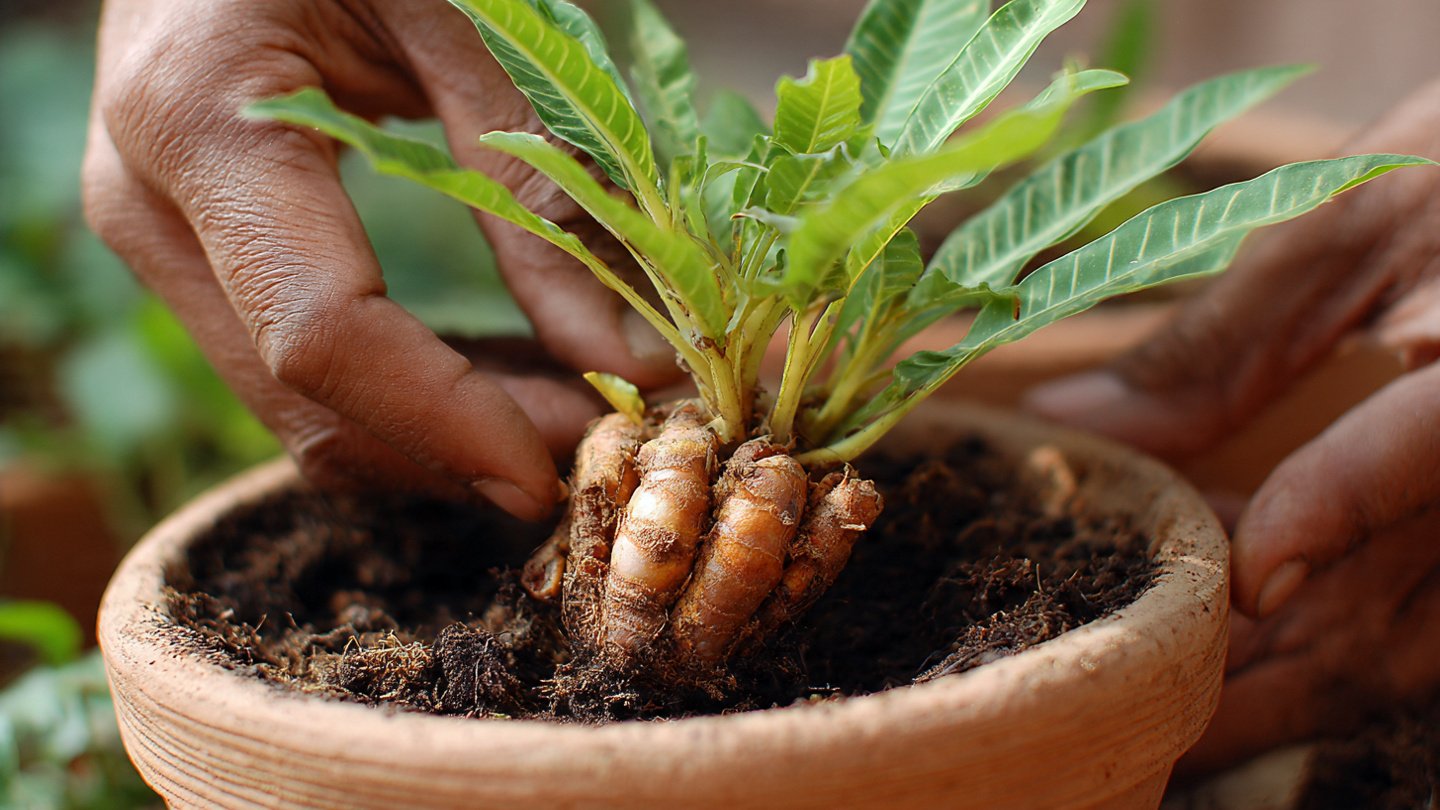
Growing turmeric (Curcuma longa) in pots is a rewarding endeavor for any home gardener, offering not just a beautiful, lush plant but also the benefits of fresh, home-grown rhizomes. Turmeric is renowned for its vibrant yellow-orange hue and its culinary, medicinal, and health benefits, making it a desirable addition to both gardens and kitchens. In this article, we will explore the best techniques for successfully growing turmeric in pots, from choosing the right container to harvesting your bounty.
Why Grow Turmeric in Pots?
Growing turmeric in pots comes with several advantages:
Latest Posts
- How to Use Invisible Wire for a Stunning Climbing Plant Wall
- Are Your Garden Tools Making Your Plants Sick?
- How to Style a Small Studio with Columnar Cacti
- Why Is My Zucchini Shaped Like a Lightbulb?
- How to Protect Your Fruit From Birds Without Nets
- How to Keep Squirrels Away from Your Fruit Trees
- How to Protect Your Fruit from Birds Without Nets
- Why Biochar Is a Game-Changer for Your Kitchen Garden
- Why Some Rare Cacti Bloom Only One Night a Year
- How to Grow Rare Blue Strawberries at Home
- Space Efficiency: For those with limited garden space, pots can be arranged on patios, balconies, or even windowsills.
- Controlled Environment: Containers allow you to manage the soil, drainage, and nutrients more easily than in-ground planting.
- Mobility: Pots can be moved to optimize sunlight exposure and protect the plants from unfavorable weather conditions.
- Soil Quality: You can tailor the potting mix to suit the specific needs of turmeric.
Selecting the Right Pot
Enhancing your turmeric growth begins with choosing the right pot. Consider the following factors:
Size
Turmeric requires ample space to grow its root system. A pot with a diameter of at least 12 inches and a depth of 12-18 inches is ideal. Larger pots can accommodate multiple plants and allow for better root expansion.
Material
Choose pots made from materials that provide good insulation and drainage. Clay or terracotta pots are great choices due to their breathability, but plastic pots can also work well if they have sufficient drainage holes.

Drainage
Ensure that your pot has several drainage holes at the bottom. Good drainage is crucial to prevent overly wet soil, which can lead to root rot.
Choosing and Preparing the Soil
The right soil mix can significantly impact your turmeric plant’s growth. Here’s how to create a suitable potting mix:
Soil Type
Turmeric thrives in well-draining, loose soil with a slightly acidic to neutral pH (around 6.0 to 7.0). A good potting mix should consist of:
- Organic matter: Compost or well-rotted manure helps provide nutrients.
- Coconut coir or peat moss: For moisture retention and aeration.
- Perlite or sand: To improve drainage.
Preparation Steps:
- Mix the Ingredients: Combine equal parts of organic matter, coconut coir, and perlite or sand.
- Moisten the Mix: Lightly moisten the soil before placing it in the pot, ensuring it holds moisture without becoming soggy.
Sourcing Turmeric Rhizomes

Turmeric is grown from rhizomes, which are the underground stems of the plant. You can source rhizomes from various places:
- Specialty Nurseries: Many gardening centers have turmeric rhizomes available for purchase.
- Organic Food Stores: Look for organic turmeric rhizomes, as they are less likely to be treated with chemicals.
- DIY: You can also buy turmeric from the grocery store. Ensure it’s fresh, firm, and has small eyes or sprouts.
Preparing the Rhizomes
Before planting, prepare the rhizomes:
- Cut the Rhizomes: If they are large, you can cut them into pieces, each with at least one eye.
- Drying: Allow the cut ends to dry for a day or two to protect against disease when planted.
Planting Turmeric in Pots
Once you have your rhizomes and potting mix prepared, you are ready to plant!
Steps to Plant:
- Fill the Pot: Fill your pot with the prepared potting mix, leaving a space of about 2 inches from the top.
- Plant the Rhizomes: Place the rhizomes about 1-2 inches below the surface of the soil, with the eyes facing upwards.
- Cover with Soil: Gently cover the rhizomes with soil, ensuring they are not too deep.
- Water Gently: After planting, water the pot gently to settle the soil but avoid soaking it.

Care and Maintenance
Sunlight: Turmeric thrives in partial shade to full sun. Aim for at least 6 hours of sunlight daily.
Watering: Water the turmeric regularly, especially in the first few weeks. The soil should remain consistently moist but never waterlogged.
Fertilization: Approximately 4-6 weeks post-planting, start fertilizing with a balanced, organic fertilizer. Apply every 4-6 weeks until harvest.
Mulching: Applying organic mulch can help retain moisture and suppress weeds.
Managing Pests and Diseases
While turmeric is generally resilient, keeping an eye on pests such as aphids or spider mites is recommended. Use organic pesticides or insecticidal soaps if you spot infestations.
Additionally, to avoid diseases, ensure to:
- Rotate crops if you have multiple pots.
- Maintain cleanliness: Remove dead leaves or debris from the pot to limit fungal infections.
Harvesting Your Turmeric
Turmeric is usually ready to harvest about 7-10 months after planting, indicated by the yellowing and dying back of the leaves.
Harvesting Steps:
- Timing: Wait until the leaves are completely yellow and die back before harvesting.
- Gently Remove the Rhizomes: Carefully uproot the plant, trying not to damage the rhizomes.
- Clean the Rhizomes: Wash the freshly harvested rhizomes to remove soil.
- Storing: You can use them fresh, dry them, or even make turmeric powder by grinding dried rhizomes.
FAQs
1. Can turmeric grow indoors?
Yes, turmeric can be grown indoors as long as it receives ample sunlight (at least 6 hours per day) or adequate grow lights.
2. How long does it take for turmeric to grow?
Turmeric typically takes 7-10 months to mature, depending on growing conditions.
3. Can I eat the leaves of the turmeric plant?
Yes, turmeric leaves are edible and can be used in cooking, offering a mild turmeric flavor.

4. Is it necessary to divide rhizomes for planting?
Dividing rhizomes isn’t mandatory, but it can help increase yield and promote healthier plants.
5. What are common diseases that affect turmeric?
Common diseases include root rot caused by overwatering, and fungal infections that may affect the leaves. Keeping the pot well-ventilated and maintaining good drainage can help prevent these issues.
6. Can turmeric be grown in regions with cold winters?
Turmeric thrives in warm, tropical climates. If you live in a region with cold winters, consider growing it indoors or in containers that can be moved indoors when the temperature drops.
7. Does turmeric require a lot of water?
Turmeric needs consistent moisture but should not remain in soggy soil. Regular, but moderate watering is ideal.
8. How can I encourage more vigorous growth?
Providing adequate sunlight, consistent watering, and regular fertilization can help encourage vigorous growth in your turmeric plants.
Conclusion
Growing turmeric in pots is a manageable and rewarding practice that enhances any home garden. With the right pot, soil, and care techniques, you can enjoy the beauty and benefits of this vibrant plant. Whether you’re using it for cooking, health benefits, or simply to enjoy its striking foliage, turmeric is an excellent addition to your gardening repertoire. Now that you’re equipped with the knowledge of how to grow turmeric effectively, it’s time to roll up your sleeves and get started!