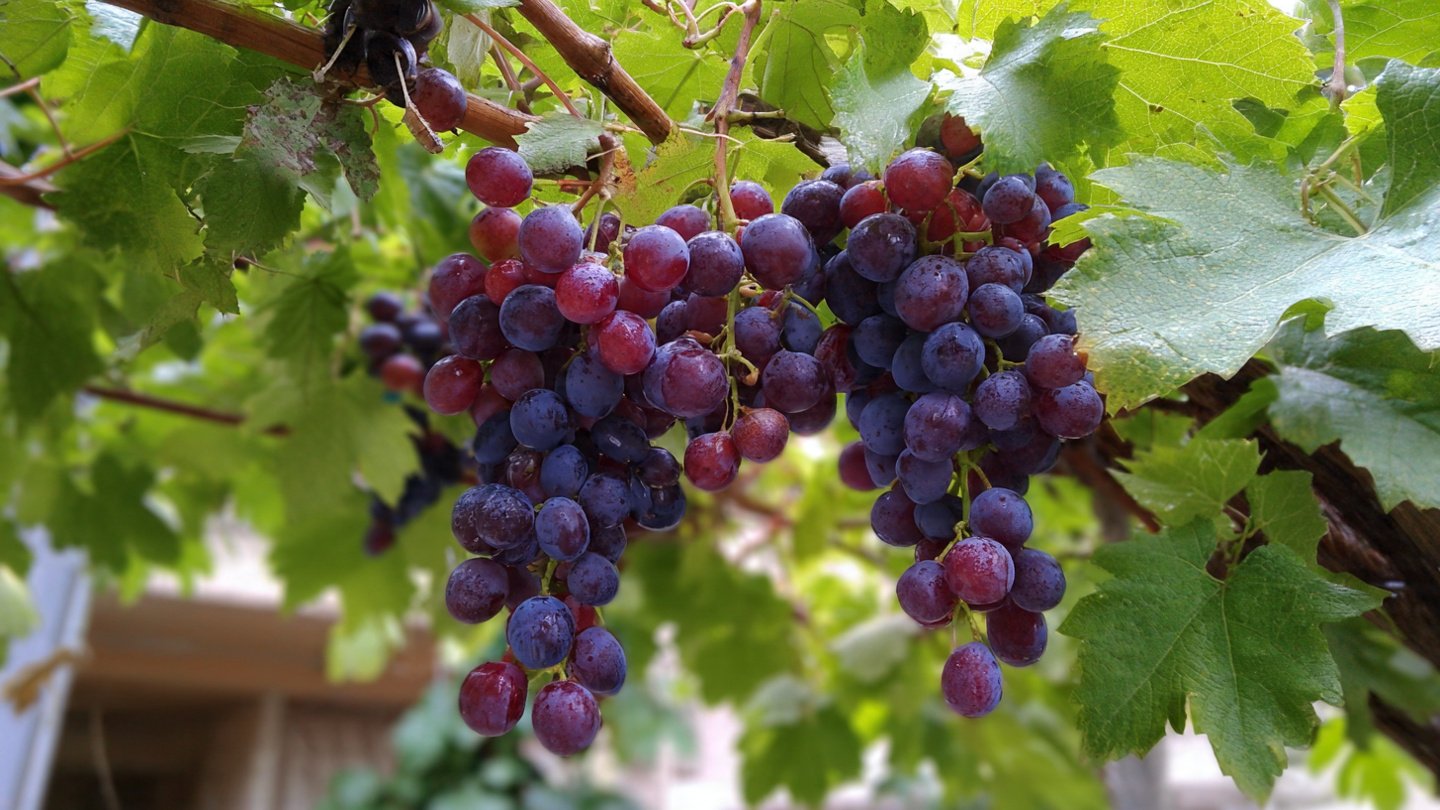
Growing grapes at home can be a highly rewarding endeavor, whether you’re looking to create your own vineyard or simply enjoy fresh fruit straight from your garden. With a bit of patience and knowledge, you can nurture your grapevines to produce delicious and juicy grapes. This guide will walk you through everything you need to know, from selection to harvest.
Step 1: Choosing the Right Variety
The first step in growing grapes is selecting the right variety for your climate and intended use. Here are some common types of grapes:
Latest Posts
- How to Use Invisible Wire for a Stunning Climbing Plant Wall
- Are Your Garden Tools Making Your Plants Sick?
- How to Style a Small Studio with Columnar Cacti
- Why Is My Zucchini Shaped Like a Lightbulb?
- How to Protect Your Fruit From Birds Without Nets
- How to Keep Squirrels Away from Your Fruit Trees
- How to Protect Your Fruit from Birds Without Nets
- Why Biochar Is a Game-Changer for Your Kitchen Garden
- Why Some Rare Cacti Bloom Only One Night a Year
- How to Grow Rare Blue Strawberries at Home
1.1 Table Grapes
These varieties are sweet and juicy, perfect for eating raw. Popular options include:
- Concord: Sweet and aromatic, perfect for juice and jelly.
- Thompson Seedless: Crisp and sweet, often used in salads and snacks.
1.2 Wine Grapes
If you’re interested in winemaking, consider:
- Cabernet Sauvignon: Full-bodied and complex, good for red wines.
- Chardonnay: Versatile and popular for white wines.
1.3 Raisin Grapes
These are sweet and ideal for drying. A well-known variety is Sultana.

1.4 Climate Considerations
Different grapes thrive in specific climates. For instance, wine grapes often prefer warmer regions, while some varieties tolerate cooler temperatures. Make sure to research the hardiness zone of your selected variety.
Step 2: Setting the Site
2.1 Sunlight
Grapes require plenty of sunlight. Aim for a location that receives at least 6-8 hours of direct sunlight daily.
2.2 Soil Preparation
Grapes prefer well-drained soil with a pH between 6.0 and 6.8. Before planting, conduct a soil test to understand its pH and nutrient levels. Amend the soil with organic matter if necessary.
2.3 Space Requirements
Grapevines can spread significantly, so ensure you provide adequate space. Consider the following:
- Spacing: Space the vines about 6-8 feet apart.
- Row Plans: If planting multiple rows, allow 8-10 feet between rows for airflow and maintenance access.
Step 3: Planting Your Grapes
3.1 When to Plant
The best time to plant grapes is in early spring after the last frost, or in late fall before the ground freezes.
3.2 Planting Process

- Dig a Hole: Create a hole wide enough to accommodate the root system.
- Remove Weeds: Clear the planting area of weeds and debris.
- Plant Carefully: Place the young vine in the hole and fill it with soil. Water immediately to settle the soil.
- Mulch: Add mulch around the base to retain moisture and suppress weed growth.
Step 4: Training and Supporting Your Vines
Grapevines need support to grow effectively. Here’s how to install a trellis or support system:
4.1 Types of Trellises
- Vertical Trellis: Good for small gardens; it encourages upward growth.
- Wide T-Post Trellis: Supports multiple vines and allows for better airflow.
4.2 Training Your Vines
- Initial Training: As your vines grow, select one or two strong stems to develop.
- Pruning: Regularly prune excess growth to encourage airflow and reduce disease risk.
Step 5: Watering and Nutrition
5.1 Watering Schedule
Grapes need consistent moisture, particularly in the first growing season. Water deeply once a week, increasing frequency during hot spells.
5.2 Fertilization

Using a balanced fertilizer will provide your plants with the necessary nutrients. The following schedule can help:
- Early Spring: Apply a balanced fertilizer as growth starts.
- Mid-Summer: A second application can be beneficial, especially if you’re growing fruit.
Step 6: Pest and Disease Management
Grapevines are susceptible to pests like aphids and diseases such as powdery mildew. Here are measures to protect your vines:
6.1 Pest Control
- Regular Inspection: Check your vines regularly for any signs of pests.
- Natural Remedies: Introducing beneficial insects, like ladybugs, can help control aphid populations.
6.2 Managing Diseases
- Good Airflow: Ensure your vines are well-spaced and pruned to allow for air circulation.
- Preventative Sprays: Fungicidal sprays can protect your vines from common diseases.
Step 7: Harvesting Your Grapes
7.1 When to Harvest
Grapes are typically ready for harvest in late summer to early fall. Look for:
- Color Change: The grapes should change color based on their variety.
- Taste: Sampling a few will help determine when they are sweet and juicy.
7.2 How to Harvest
- Use Clean Tools: Use clean garden shears to prevent disease.
- Gently Cut Clusters: Cut the clusters rather than pulling them to avoid damaging the vine.
Step 8: Post-Harvest Care
Once you’ve harvested your grapes, it’s vital to maintain your grapevines for the following season:
8.1 Clean-Up
- Remove any dead leaves, fallen fruit, and debris to minimize disease risk.
8.2 Winterizing
- Prune the vines to ensure healthy growth for the next season.
- Mulch around the base to protect the roots during the winter months.
FAQs About Growing Grapes
Q1: How long does it take for grapevines to produce fruit?
A: Grape varieties generally take about 2-3 years to start producing fruit. Some may take longer depending on care and conditions.
Q2: Can I grow grapes in a pot?

A: Yes, many grape varieties can be grown in containers. Choose a large pot (at least 5-gallons) with good drainage.
Q3: How much sunlight do grapevines need?
A: Grapevines need a minimum of 6-8 hours of direct sunlight each day for optimal growth and fruit production.
Q4: What should I do if my grapes are sour?
A: Souring can occur due to inadequate sunlight or water stress. Ensure your plants receive enough nutrients, water, and sunlight.
Q5: How can I tell if my soil is suitable for planting grapes?
A: Conduct a soil test to check pH and nutrient levels. Grapes prefer well-drained, organic-rich soil with a pH of 6.0-6.8.
Q6: What are some common diseases that affect grapes?
A: Common diseases include powdery mildew, botrytis, and downy mildew. Regular pruning for good airflow and preventive measures can help.
Q7: Can I use chemical fertilizers?
A: Yes, but using organic options is often preferred for home gardening, as they provide nutrients without chemical buildup in the soil.
Conclusion
Growing grapes at home is a fulfilling and productive hobby that boasts delicious yields. By following this step-by-step guide, you can cultivate healthy vines in your garden. Remember to choose the right variety, provide adequate support, monitor pests and diseases, and enjoy the fruits of your labor! Happy grape growing!