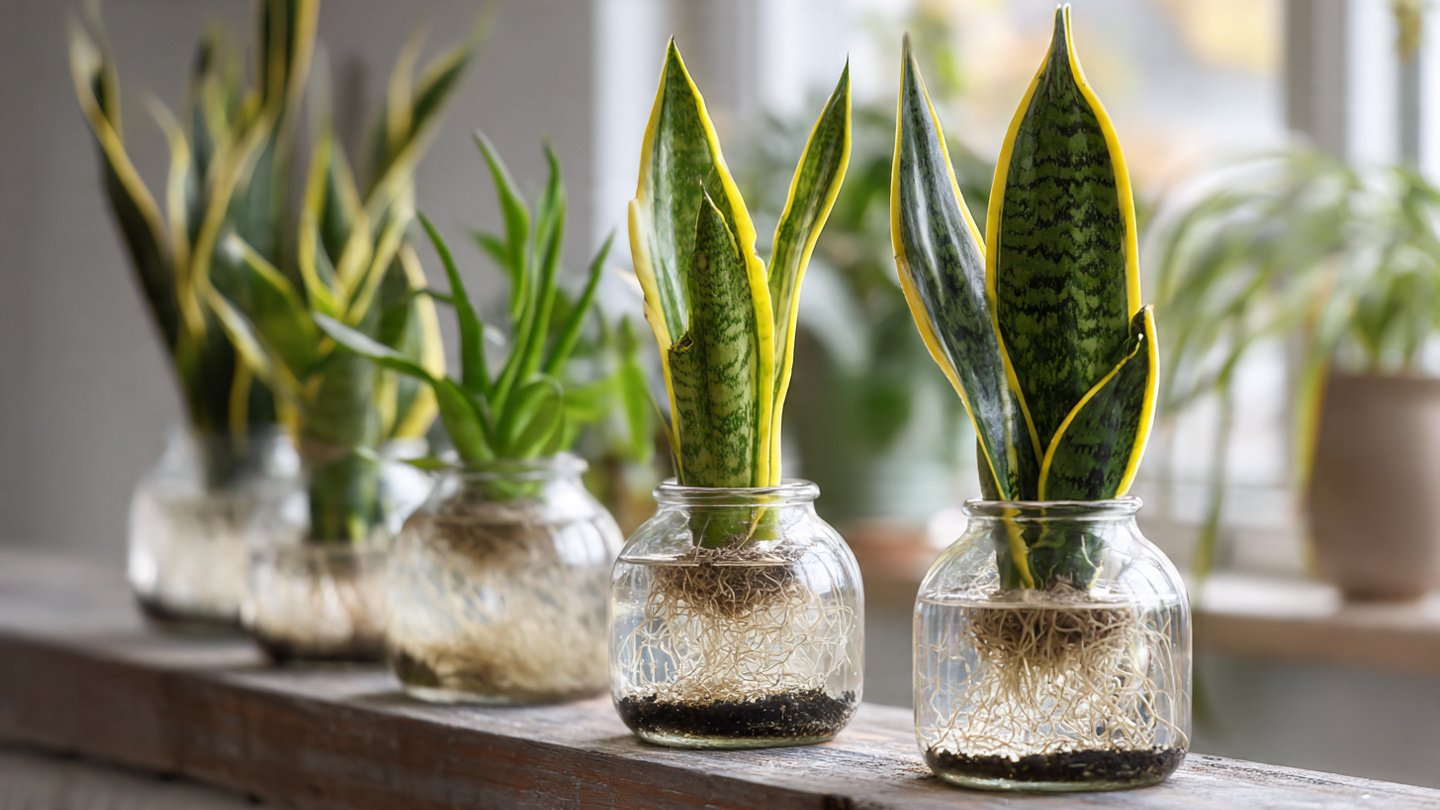
Snake plants, also known as Sansevieria or mother-in-law’s tongue, are popular houseplants due to their striking appearance and air-purifying qualities. Their resilience makes them ideal for indoor spaces, requiring little care and tolerating low light conditions. This guide will provide you with detailed steps for successfully propagating snake plants in water, along with tips for ensuring thriving growth.
Understanding Snake Plants
What is a Snake Plant?
Latest Posts
- How to Use Invisible Wire for a Stunning Climbing Plant Wall
- Are Your Garden Tools Making Your Plants Sick?
- How to Style a Small Studio with Columnar Cacti
- Why Is My Zucchini Shaped Like a Lightbulb?
- How to Protect Your Fruit From Birds Without Nets
- How to Keep Squirrels Away from Your Fruit Trees
- How to Protect Your Fruit from Birds Without Nets
- Why Biochar Is a Game-Changer for Your Kitchen Garden
- Why Some Rare Cacti Bloom Only One Night a Year
- How to Grow Rare Blue Strawberries at Home
The snake plant is characterized by its long, upright leaves that are typically green with unique variegated patterns. Ranging from a few inches to over three feet tall, these hardy plants can adapt to various indoor settings. They are renowned for improving indoor air quality by filtering out toxins.
Why Propagating in Water?
Propagating snake plants in water is an appealing option for many plant lovers. It allows for easier monitoring of root development and can be a fun, visual way to grow new plants. Propagation in water generally yields a high success rate, making it an accessible method for both novice and experienced gardeners.
Ideal Conditions for Propagation
To ensure successful propagation, understanding the plant’s needs is essential:
- Light: Although snake plants can tolerate low light, bright indirect light is ideal for propagation.
- Temperature: Snake plants thrive in temperatures between 60°F and 80°F (15°C to 27°C). Avoid extreme temperature fluctuations.
- Water Quality: Use distilled or filtered water to avoid chemicals found in tap water that can hinder root development.

Steps to Propagate Snake Plant in Water
Step 1: Choose Healthy Leaves
Select a healthy leaf from your existing snake plant. Look for leaves that are firm and free from any damage, spots, or discoloration. The leaf should be at least a few inches long.
Step 2: Cut the Leaf
Using a sharp, clean knife or scissors, cut the leaf into sections. Each section should be approximately 4-6 inches long. Ensure that the cut is made cleanly to prevent any damage to the remaining leaf.
Step 3: Prepare for Water Propagation
- Positioning: When placing the leaf cuttings in water, ensure that the cut end is submerged while the top remains above water. This orientation is crucial because the cut end is where the roots will develop.
- Container: Use a clear glass or jar to allow for easy monitoring of root growth. The container should be deep enough to prevent the leaf from tipping over.
Step 4: Place in Water
Fill the container with distilled or filtered water, ensuring that only the cut ends of the leaves are submerged. Avoid leaving the cuttings in direct sunlight, as this can cause algae growth in the water.

Step 5: Change Water Regularly
To prevent stagnation, change the water every week—increasing oxygen levels and inhibiting the growth of harmful bacteria. This process also keeps the water fresh and helps promote root development.
Step 6: Monitor for Roots
After a few weeks, you should start seeing tiny roots developing from the cut ends. Patience is key; it may take anywhere from two weeks to a couple of months for roots to form, depending on environmental conditions.
Step 7: Transition to Soil (Optional)
Once you see a healthy root system (about 2 inches long), you can opt to transition your new snake plants into soil. To do this:
- Prepare a well-draining potting mix (a cactus or succulent mix works well).
- Create a hole in the soil, gently place the rooted cutting in, and cover the roots lightly with soil.
- Water sparingly until the plant establishes itself.
Care for New Snake Plants

Light Requirements
After potting, provide your new snake plants with bright, indirect light for optimal growth. Avoid direct sunlight, which can scorch the leaves.
Watering
Allow the soil to dry out between waterings. Overwatering can lead to root rot, a common issue with snake plants. Typically, watering every 2-3 weeks is ideal, adjusting based on environmental conditions.
Feeding
Fertilize sparingly, using a balanced liquid fertilizer diluted to half strength during the growing season (spring and summer). Avoid fertilizing in fall and winter when the plant’s growth slows.
Monitoring Growth
Watch for signs of healthy growth, such as new leaves emerging. If the leaves start turning yellow or brown, reassess watering and light conditions.
Troubleshooting Common Issues
Root Rot
Root rot is typically caused by overwatering. If your snake plant’s roots appear brown and mushy, it’s best to remove the affected portions and repot in fresh, dry soil.

Pest Infestations
Snake plants are relatively resistant to pests, but they can attract mealybugs or spider mites. Use a mild insecticidal soap or neem oil solution if you spot any infestations.
Frequently Asked Questions (FAQs)
Can I propagate snake plants in soil instead of water?
Yes, you can propagate snake plants directly in soil. Insert the cuttings into a well-draining potting mix and lightly water. However, propagation in water provides the advantage of easier monitoring for root development.
How long does it take for snake plants to root in water?
It typically takes 2 to 8 weeks for snake plant cuttings to form roots in water, depending on the environment and the health of the cutting.
Can I propagate snake plants from just any part of the plant?
While the best method utilizes leaf cuttings, you can also propagate snake plants through division of the rhizomes during repotting. However, using healthy leaves gives a clearer advantage in water propagation.
Should the cuttings be exposed to sunlight while rooting?

Ideally, snake plant cuttings should be kept in a location with bright indirect light. Direct sunlight can harm the cuttings and hinder root development.
How do I know when to stop watering my snake plant?
Always let the top inch or so of the soil dry out completely between waterings. If the leaves are yellowing, it indicates overwatering, while dry, brown tips often suggest underwatering.
Can I propagate a snake plant if it’s sick?
It’s generally best to avoid propagating sick plants, as the cuttings may carry diseases or pests. Focus on healthy, robust leaves for successful propagation.
What should I do if my snake plant cuttings aren’t rooting?
If no roots are developing after a reasonable period, consider checking the water quality, ensuring proper light conditions, and changing the water regularly.
Conclusion
With minimal care and attention, propagating snake plants in water can yield beautiful new plants to add to your collection or share with friends. By following the steps outlined in this guide, you’ll be well on your way to ensuring thriving growth and a successful propagation experience. Happy gardening!