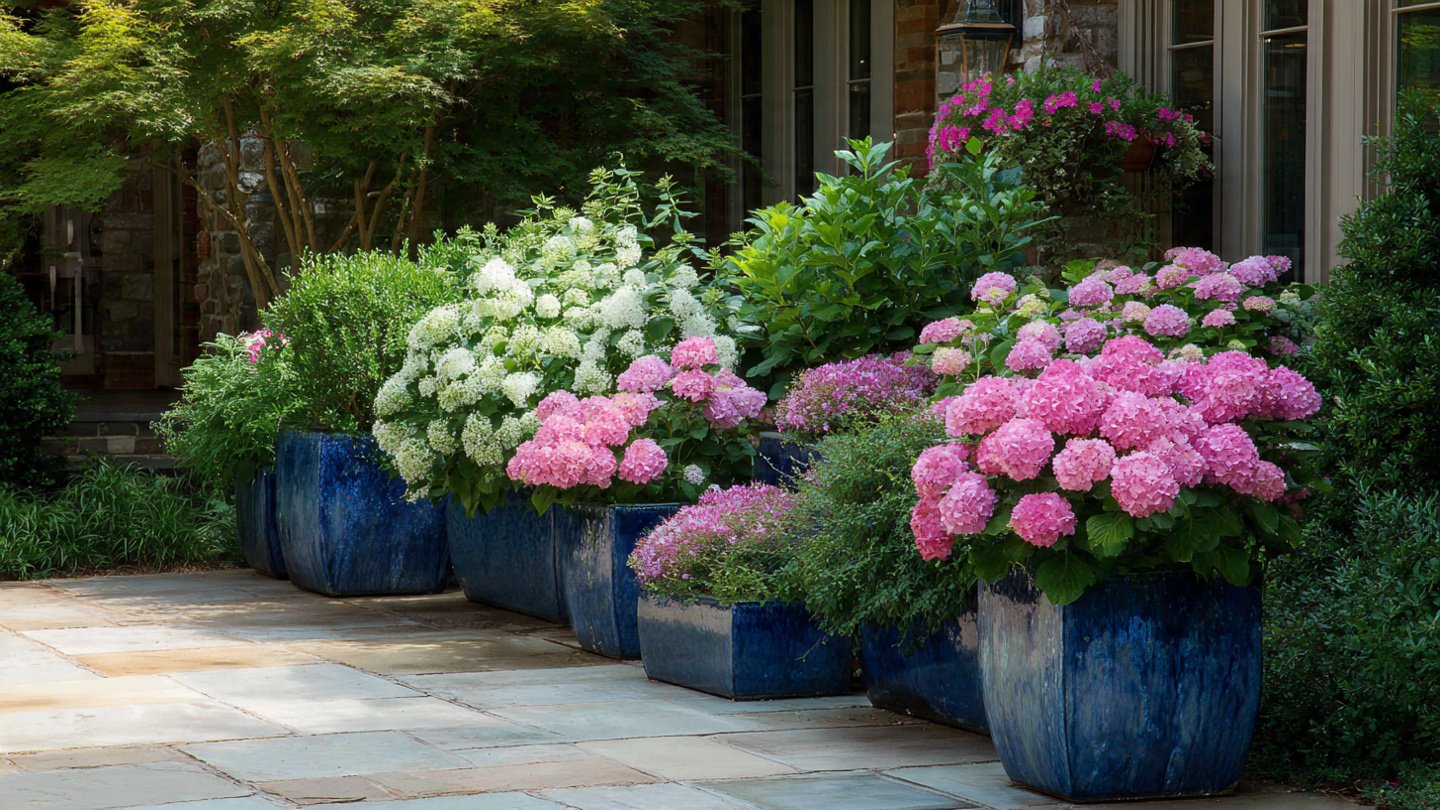
Creating a Stunning Garden Display with Hydrangeas in Containers
Introduction
Gardening is not just a hobby; it’s an art form. One of the most beautiful and versatile flowers that can elevate any garden display is the hydrangea. Known for their large, lush blooms and myriad colors, hydrangeas can create a stunning visual impact when grown in containers. This guide will explore how to create an impressive garden display with hydrangeas in containers, offering tips on selection, care, and design to ensure your display shines throughout the seasons.
Why Choose Hydrangeas?
Latest Posts
- How to Use Invisible Wire for a Stunning Climbing Plant Wall
- Are Your Garden Tools Making Your Plants Sick?
- How to Style a Small Studio with Columnar Cacti
- Why Is My Zucchini Shaped Like a Lightbulb?
- How to Protect Your Fruit From Birds Without Nets
- How to Keep Squirrels Away from Your Fruit Trees
- How to Protect Your Fruit from Birds Without Nets
- Why Biochar Is a Game-Changer for Your Kitchen Garden
- Why Some Rare Cacti Bloom Only One Night a Year
- How to Grow Rare Blue Strawberries at Home
Hydrangeas are celebrated for their breathtaking blooms and various types, including:
-
Mophead Hydrangeas: Characterized by their large, round flower heads, these are perhaps the most recognized type and come in shades of blue, pink, and white.
-
Lacecap Hydrangeas: With a flatter shape that showcases smaller flowers surrounded by larger blooms, lacecaps offer a unique aesthetic.
-
Panicle Hydrangeas: Known for their conical flower heads that bloom in a variety of colors, they add a different texture and height to your garden.
-
Oakleaf Hydrangeas: With oak-like foliage and stunning autumn color, these are less common but equally beautiful.
Each variety offers distinct features, and their blooms can change color based on soil pH, adding an interactive element to your gardening experience.
Choosing the Right Container
The first step in creating a stunning display is selecting the appropriate container. Here are some factors to consider:

-
Size: Hydrangeas grow robustly with a well-developed root system. Choose a container that is at least 12-18 inches in diameter. Larger plants, like panicle hydrangeas, may require even bigger pots.
-
Material: Terracotta, ceramic, plastic, and wooden containers all have different aesthetic appeals and functionalities. Terracotta is porous, facilitating good drainage, while ceramic pots often come in beautiful glazes that can add an artistic touch.
-
Drainage: Ensure your container has drainage holes to prevent waterlogging. This prevents root rot—one of the most common problems with container plants.
-
Aesthetic Appeal: Consider the color and texture of the container. Choose hues that complement your garden design and the hydrangea’s blooms.
Selecting the Right Soil
Proper soil is integral for hydrangea health. A well-draining potting mix should:
-
Retain Moisture: While hydrangeas prefer moist soil, they dislike standing water. A mix of potting soil with perlite or sand can improve drainage.
-
Nutrient-Rich: Amendments like compost or slow-release fertilizers provide essential nutrients.
-
pH Levels: Hydrangeas thrive in slightly acidic to neutral soil (pH 5.5-7). If you desire blue flowers, consider using products designed to lower pH levels.
Planting Hydrangeas in Containers
-
Timing: The best time to plant hydrangeas in containers is during the spring or early fall when temperatures are milder.
-
Filling the Container:
- Start by adding a layer of gravel or small stones at the bottom for drainage.
- Fill the container with the potting mix, leaving enough space at the top for watering without overflows.
-
Planting: Gently remove the hydrangea from its nursery pot. Place it into the container, ensuring that the root crown sits just above the soil line. Fill in around the roots with soil, pressing gently to eliminate air pockets.
-
Watering: Water thoroughly after planting to settle the soil and eliminate any remaining air pockets.
Placement and Sunlight
Hydrangeas thrive in locations that receive dappled sunlight or partial shade. Here’s how to optimize light exposure:
-
Morning Sun, Afternoon Shade: Ideal for most varieties. They enjoy the morning sun but may suffer from the harsh afternoon heat.
-
Protecting from Wind: If possible, situate your containers near a windbreak. Strong gusts can damage the delicate blooms and foliage.
-
Elevation: Consider placing larger containers on pedestals or raised surfaces for added visual appeal and improved drainage.
Maintenance Tips
-
Watering: Consistent moisture is key. Water whenever the top inch of soil feels dry. Ensure the soil drains well to avoid soggy conditions.
-
Fertilization:
- Use a balanced, slow-release fertilizer in early spring to promote healthy growth.
- For better blooms, consider a fertilizer specifically formulated for hydrangeas or flowering plants.
-
Pruning: Different types of hydrangeas require distinct pruning methods. For mopheads and lacecaps, prune back in late winter or early spring. Panicle and oakleaf types can be pruned after blooming.
-
Winter Care: In colder climates, protect container hydrangeas from freezing temperatures by moving them to a sheltered area or insulating their pots with bubble wrap or burlap.
Designing Your Garden Display
-
Layering: Create depth by varying the heights of containers. Place taller hydrangeas at the back or center, with shorter plants in front or around them.
-
Color Blocking: Group hydrangeas of similar colors for a striking monochromatic look or alternate colors to create a vibrant display.
-
Complementary Plants: Incorporate other flowering or foliage plants that thrive in similar conditions, such as ornamental grasses or perennials, to add texture and diversity.
-
Seasonal Rotations: Change your container plants seasonally to keep the display fresh and engaging. Swap out summer blooms for fall foliage plants or winter evergreens.
Troubleshooting Common Issues
-
Wilting Leaves: Often a sign of underwatering. Increase watering frequency, ensuring the pot drains well.
-
Discoloring Petals: This could indicate nutrient deficiency or incorrect pH. Conduct a soil test to identify any imbalances.
-
Sparse Blooms: This may result from inadequate sunlight or nutrient deficiency. Ensure your hydrangeas get enough light and consider a fertilization boost.
Conclusion
Creating a stunning garden display with hydrangeas in containers can transform your outdoor space into an enchanting retreat. By choosing the right varieties, containers, and care routines, you can enjoy the lush beauty of hydrangeas while gardening in a more manageable way. Whether attracting pollinators or providing a calming space for reflection, your container hydrangeas will add lasting beauty and charm.
FAQs
1. How often should I water my hydrangeas in containers?

- Water when the top inch of soil feels dry, usually every few days in hot weather.
2. Can I grow hydrangeas in shady areas?
- Yes, many hydrangeas prefer partial shade, although some may tolerate full sun.
3. How can I change the color of my hydrangeas?
- The color of hydrangeas can be altered by adjusting the pH of the soil. For blue flowers, make the soil more acidic with horticultural sulfur. For pink blooms, increase alkalinity with lime.
4. Do I need to prune my container hydrangeas?
- Yes, pruning helps maintain shape and promote blooms. The timing and method depend on the variety.
5. What should I do with my container hydrangeas in winter?
- In colder regions, protect them from freezing temperatures by moving them to a sheltered location or insulating their pots.
By following these guidelines, you’ll be well on your way to creating a breathtaking garden display filled with vibrant hydrangeas, enchanting onlookers and providing joy throughout the seasons. Happy gardening!