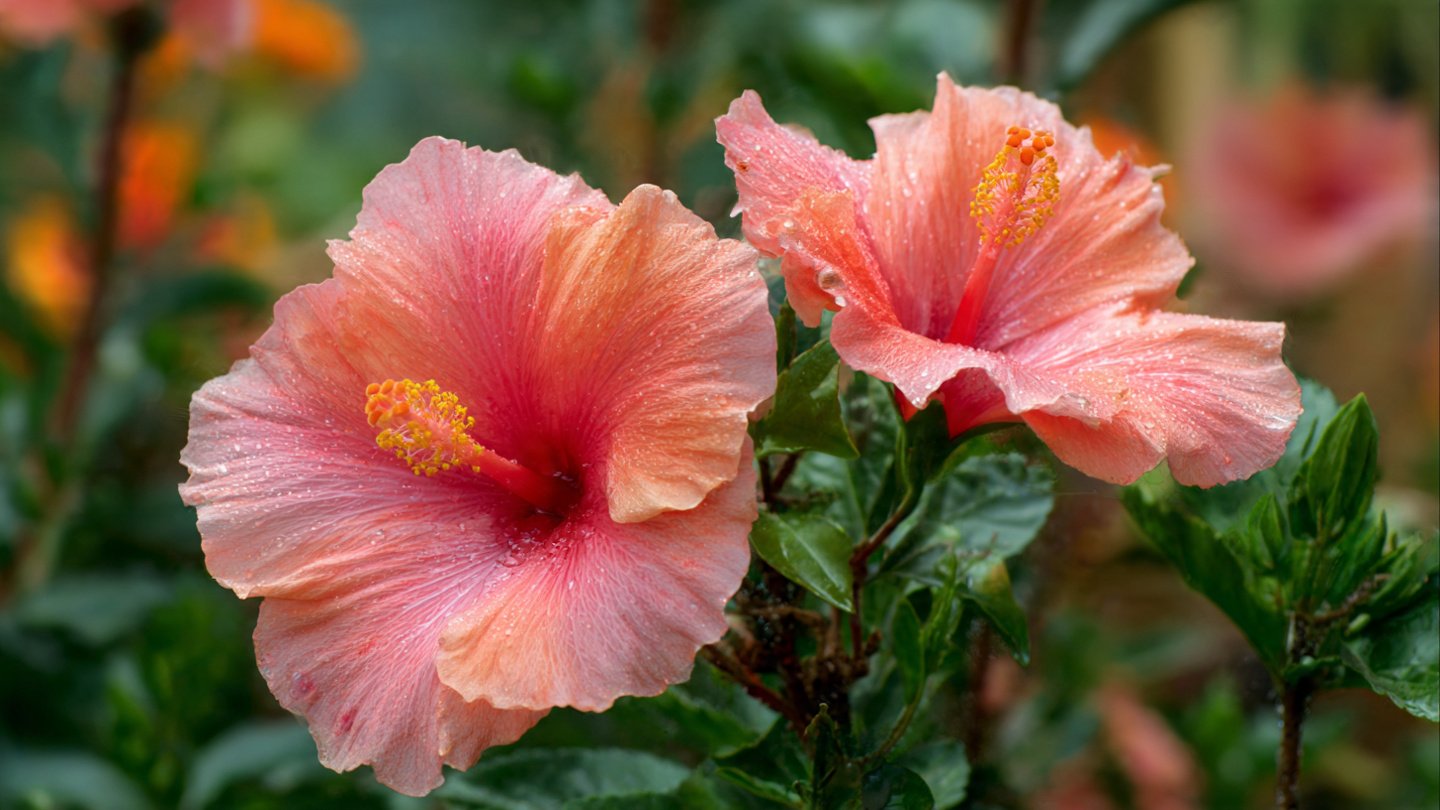
Hibiscus plants bring a touch of the tropics to any garden with their vibrant blooms and lush foliage. Known for their stunning flowers, which come in various colors including red, pink, orange, and yellow, hibiscus plants can elevate your home gardening experience. This article will guide you through the essential steps to grow hibiscus successfully and create a tropical paradise right in your backyard.
Understanding Hibiscus
Before diving into cultivation, it’s important to understand the hibiscus plant. Belonging to the Malvaceae family, hibiscuses are popular for their large, showy flowers. They can be categorized into several types, including:
Latest Posts
- How to Use Invisible Wire for a Stunning Climbing Plant Wall
- Are Your Garden Tools Making Your Plants Sick?
- How to Style a Small Studio with Columnar Cacti
- Why Is My Zucchini Shaped Like a Lightbulb?
- How to Protect Your Fruit From Birds Without Nets
- How to Keep Squirrels Away from Your Fruit Trees
- How to Protect Your Fruit from Birds Without Nets
- Why Biochar Is a Game-Changer for Your Kitchen Garden
- Why Some Rare Cacti Bloom Only One Night a Year
- How to Grow Rare Blue Strawberries at Home
- Tropical Hibiscus: Commonly grown in warm climates, tropical hibiscuses thrive in USDA hardiness zones 9-11.
- Hardy Hibiscus: Suitable for cooler climates, these varieties can survive in zones 4-9 and return each spring from their roots.
Choosing the Right Variety
Hibiscus comes in many varieties, so choosing the right one for your climate and garden aesthetic is paramount. Some popular choices include:
- Hibiscus rosa-sinensis: The classic tropical hibiscus known for large, colorful blooms.
- Hibiscus moscheutos: The hardy hibiscus, notable for its gigantic flowers and ability to thrive in colder conditions.
- Rose of Sharon (Hibiscus syriacus): A perennial shrub that blooms throughout summer, adding height and structure to the garden.
Preparing Your Garden
To create a tropical paradise, proper preparation of your garden space is essential.
Choosing the Right Location
Hibiscus plants thrive in:
- Sunlight: They require full sun, ideally six to eight hours of direct sunlight daily.
- Space: Ensure adequate spacing between plants to promote air circulation; about 3-4 feet apart is ideal for larger varieties.

Soil Requirements
Hibiscus prefer:
- Well-Draining Soil: This helps prevent root rot. A mix of peat, compost, and perlite can provide good drainage.
- pH Level: Aim for a slightly acidic to neutral pH (6.0 to 7.0).
Preparing the Soil
Before planting, amend the soil with organic fertilizers or compost to enrich it and improve drainage. It’s beneficial to dig a hole that’s twice the size of the root ball to facilitate easy growth.
Planting Hibiscus
When to Plant
The best time to plant hibiscus varies based on the type:
- Tropical Hibiscus: Plant in spring after the last frost.
- Hardy Hibiscus: Can be planted in spring or early fall.
Planting Steps
- Digging a Hole: Create a hole large enough to accommodate the root ball.
- Positioning: Place the plant in the hole while ensuring the root ball is level with the surrounding soil.
- Filling the Hole: Backfill with soil, ensuring no air pockets form.
- Watering: Water generously after planting to help settle the soil.
Care and Maintenance
Caring for hibiscus involves regular maintenance to ensure your plants flourish.
Watering
Hibiscus plants like moist but well-drained soil. Water deeply once or twice a week, adjusting frequency based on weather conditions. In hot climates, daily watering might be necessary.
Fertilizing
- Frequency: Fertilize every four to six weeks during the growing season (spring and summer) with a balanced liquid fertilizer.
- Types of Fertilizer: Look for fertilizers high in potassium, such as a 10-10-10 NPK or those specifically formulated for flowering plants.
Pruning
Regular pruning encourages bushy growth and more blooms.
- Timing: Prune in late winter or early spring before new growth begins.
- How to Prune: Remove dead, damaged, or crossing branches and trim back about one-third of the plant to encourage new growth.
Pest Control
Hibiscus plants may attract pests such as aphids, spider mites, and whiteflies. To manage pests:
- Inspections: Regularly check leaves for infestations.
- Natural Methods: Use insecticidal soap or neem oil for safe pest control.
- Companion Planting: Plant marigolds nearby to deter pests.
Creating a Tropical Atmosphere
Beyond growing hibiscus, you can create an enchanting tropical garden with these tips.
Companion Plants
Incorporate complementary plants to enhance the tropical feel:
- Birds of Paradise: Another bold flowering plant that thrives in similar conditions.
- Palms: Dwarf varieties can add height and lushness without overtaking space.
- Ferns: Lush, green ferns can provide contrast and fill in spaces beneath hibiscus plants.
Decorative Elements
Consider adding:
- Water Features: A small pond or fountain can create a soothing ambiance.
- Pathways: Use natural stones or wood chips for walking paths that lead through your garden.
- Seating Areas: Install hammocks or benches for a restful spot to enjoy your creation.
Lighting
Incorporate outdoor lighting to showcase your hibiscus and other plants in the evenings. String lights or solar lanterns can enhance the atmosphere, making your garden mesmerizing at night.
Seasonal Care
Hibiscus has specific seasonal needs to remain healthy throughout the year.
Fall Care
As autumn approaches:
- Hardy Hibiscus: Cut back to about six inches above the ground after the first frost.
- Tropical Hibiscus: If you live in a cooler climate, consider bringing them indoors or protecting them with frost cloth.
Winter Care
Ensure adequate indoor conditions for tropical varieties:
- Light: Place in a south-facing window for maximum sunlight.
- Humidity: Misting plants can help maintain humidity, essential for their wellbeing.
Spring Awakening
In spring, remove any dead leaves or stems, and gradually increase outdoor exposure for those that were brought indoors. Reassess soil conditions to amend fertilizers as needed.
Common Challenges
Yellowing Leaves
Often a sign of poor watering habits or nutrient deficiencies. Adjust watering routines or consider applying a balanced fertilizer.
Wilting Flowers
This can be due to underwatering or overwatering. Ensure consistent moisture without waterlogging the roots.
Pest Infestations
Fast action is key; inspect regularly and treat promptly to limit damage.
FAQs
How long does a hibiscus bloom last?

A hibiscus bloom typically lasts one day. However, hibiscus plants will continuously produce new flowers throughout the growing season.
Can hibiscus be grown in pots?
Yes! Hibiscus can be grown in containers, but ensure the pot has drainage holes and use high-quality potting mix. Choose larger pots to accommodate root growth.
What temperature is ideal for hibiscus?
Tropical hibiscus prefers temperatures between 60°F and 90°F (15°C – 32°C). Hardy hibiscus can withstand colder temperatures but prefer mild conditions.
How often should I repot hibiscus?
Repot every 1-2 years, or when the plant becomes root-bound. Signs include roots growing out of the drainage holes or reduced growth.
Do hibiscus attract bees and butterflies?
Yes! Hibiscus flowers are known to attract pollinators, making them beneficial for your garden’s ecosystem.
Can I propagate hibiscus?
Yes, you can propagate hibiscus through cuttings. Take a 4-6 inch cutting from a healthy stem, remove the lower leaves, and plant it in moist potting soil.
How big do hibiscus plants grow?
Tropical hibiscus can grow up to 5-10 feet tall, while hardy varieties typically reach 3-7 feet, depending on conditions and care.
Conclusion
With vibrant blooms and lush greenery, hibiscus plants can transform your garden into a tropical oasis. By selecting the right variety, preparing your soil, ensuring proper care, and incorporating complementary plants, you’ll create a stunning landscape that flourishes season after season. With proper attention and dedication, you can enjoy the beauty of hibiscus in your own backyard paradise. Happy gardening!