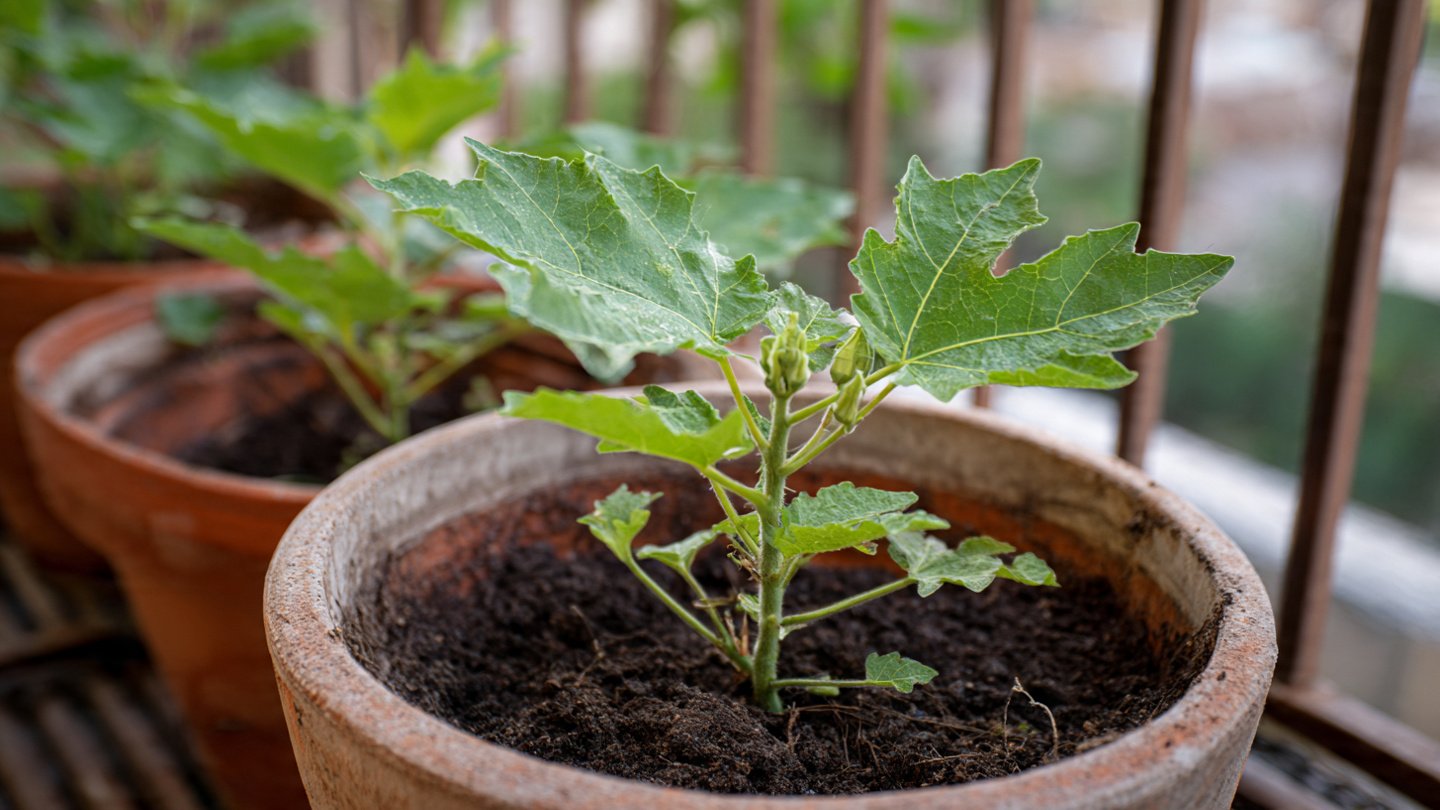
Growing vegetables in small spaces has become increasingly popular among urban gardeners, and okra is one of the best choices for container gardening. Not only does okra produce delicious pods, but its striking flowers and tall growth can also add visual interest to your patio, balcony, or small garden. This guide will walk you through the steps to successfully grow okra in containers, ensuring a fruitful harvest even in limited space.
Understanding Okra
Okra (Abelmoschus esculentus), also referred to as “lady’s finger,” is a warm-season vegetable known for its unique flavor and texture. It thrives in hot climates and is often used in Southern cooking, Indian cuisine, and Middle Eastern dishes. The plant grows tall and bushy, reaching heights of 3-6 feet, making it an excellent focal point in container gardens.
Latest Posts
- How to Use Invisible Wire for a Stunning Climbing Plant Wall
- Are Your Garden Tools Making Your Plants Sick?
- How to Style a Small Studio with Columnar Cacti
- Why Is My Zucchini Shaped Like a Lightbulb?
- How to Protect Your Fruit From Birds Without Nets
- How to Keep Squirrels Away from Your Fruit Trees
- How to Protect Your Fruit from Birds Without Nets
- Why Biochar Is a Game-Changer for Your Kitchen Garden
- Why Some Rare Cacti Bloom Only One Night a Year
- How to Grow Rare Blue Strawberries at Home
Choosing the Right Container
The first step in growing okra successfully is to select the appropriate container. Here’s what you need to consider:
Size
Okra roots need enough space to grow, so opt for a container that is at least 5 gallons in size. Larger containers (10 gallons or more) are even better, as they provide more room for the roots and help retain moisture.
Material
Containers come in various materials, including plastic, ceramic, and fabric. Plastic pots are lightweight and retain moisture well, while ceramic pots offer aesthetic appeal but may be heavier. Fabric pots, on the other hand, provide excellent aeration and drainage, which can be beneficial for root development.
Drainage
Ensure that your container has drainage holes. Good drainage is crucial to prevent root rot, which can be especially problematic in containers.
Soil Preparation

The right soil mix is essential for healthy okra growth. Here’s how to prepare your soil:
Soil Type
Use a high-quality potting mix that is light and well-aerated. A mix that contains compost, peat moss, and perlite will provide the nutrients and drainage that okra needs.
pH Level
Okra prefers a slightly acidic to neutral pH, ideally between 6.0 and 7.0. You can test your soil pH with a kit available at garden centers. If necessary, amend your soil to reach the right pH level.
Fertilization
Before planting, mix in a slow-release fertilizer high in phosphorus and potassium. Consider a ratio like 5-10-10. These nutrients will support strong root development and enhance flowering and fruiting.
Planting Okra Seeds
When to Plant
Okra is a warm-season crop and should be planted after the last frost date in your area when soil temperatures consistently reach 75°F (24°C) or higher. The best time to plant is typically in late spring or early summer.
Seed Preparation
Soak the seeds in water for 24 hours before planting. This helps enhance germination rates.
Planting Depth

Plant the seeds about 1-2 inches deep into the soil. Make sure the container is at least 3-4 inches below the top rim for watering and preventing spills.
Spacing
If planting multiple seeds in one container, space them about 12 inches apart to allow for adequate growth.
Watering Tips
Okra plants thrive in consistent moisture but do not like soggy soil. Here are some watering guidelines:
Frequency
Water your okra container deeply once or twice a week, depending on the weather. Containers dry out faster than ground soil, especially in hot weather.
Observation
Monitor the soil moisture regularly. If the top inch of soil feels dry, it’s time to water. Be cautious not to let the plant go completely dry, as this can stress the plant and hinder growth.
Sun Requirements
Okra loves the sun! Ensure your container is placed in a location that receives full sunlight for at least 6-8 hours a day. If you’re using a balcony or patio, adjust the placement of your container to maximize sun exposure.
Pest and Disease Management
Okra is relatively hardy but can still be affected by pests and diseases. Here are some ways to manage them:

Common Pests
-
Aphids: These small insects can be dealt with by washing them off the leaves with a strong blast of water or using insecticidal soap.
-
Spider Mites: These can be suppressed using neem oil or insecticidal soap as well.
Fungal Diseases
To prevent fungal diseases such as powdery mildew:
-
Air Circulation: Ensure your plants are spaced out to allow for proper air circulation.
-
Watering Technique: Water the soil directly instead of wetting the foliage, especially in the late afternoon, to prevent moisture retention on leaves.
Harvesting Okra
Harvesting is one of the most rewarding parts of growing okra. Here’s how to know when they’re ready:
Timing
Okra pods grow rapidly and should be harvested when they are about 2-4 inches long. If the pods become too large (over 4 inches), they can turn tough and woody.
Technique
Use scissors or pruning shears to cut the pods from the plant, taking care not to damage the stems or nearby leaves.
Frequency
Harvesting regularly (every 2-3 days) encourages the plant to produce more pods.
Seasonal Outlook
Okra is typically a summer crop, thriving in warm weather. In regions with mild winters, you can extend your growing season by bringing the containers indoors or using row covers to protect plants from cold snaps.
FAQs
1. Can I grow okra indoors?
Yes, as long as you provide enough light. Consider using a grow light to simulate sunlight for 6-8 hours a day.
2. What are the best companion plants for okra?
Plants like peppers, tomatoes, and basil make great companions for okra. They can help deter pests and maximize space in your garden.
3. How often should I fertilize okra in containers?

You can fertilize your okra every 4-6 weeks with a balanced fertilizer. Follow the package instructions for dosage and frequency.
4. Can I save okra seeds for the next season?
Yes, you can save seeds from mature pods, but ensure they’re fully mature and dried before storing them in a cool, dry place.
5. What should I do if my okra plants are not producing?
If your okra plants produce plenty of foliage but few pods, this could be due to insufficient sunlight or pollination issues. Ensure they get at least 6-8 hours of sun each day and consider hand-pollinating flowers.
6. How do I prevent my okra from getting too tall and leggy?
If your plants grow too tall and leggy, it may indicate they are not receiving enough sunlight. Ensure that the containers are in a well-lit area and consider providing support if they become top-heavy.
Conclusion
Growing okra in containers is a manageable and rewarding endeavor, even in small spaces. With careful planning and attention to plant needs, you can enjoy a bountiful harvest of fresh okra. Whether you use it in gumbo, fry it, or incorporate it into a variety of dishes, the effort you put into container gardening will undoubtedly pay off. Happy gardening!