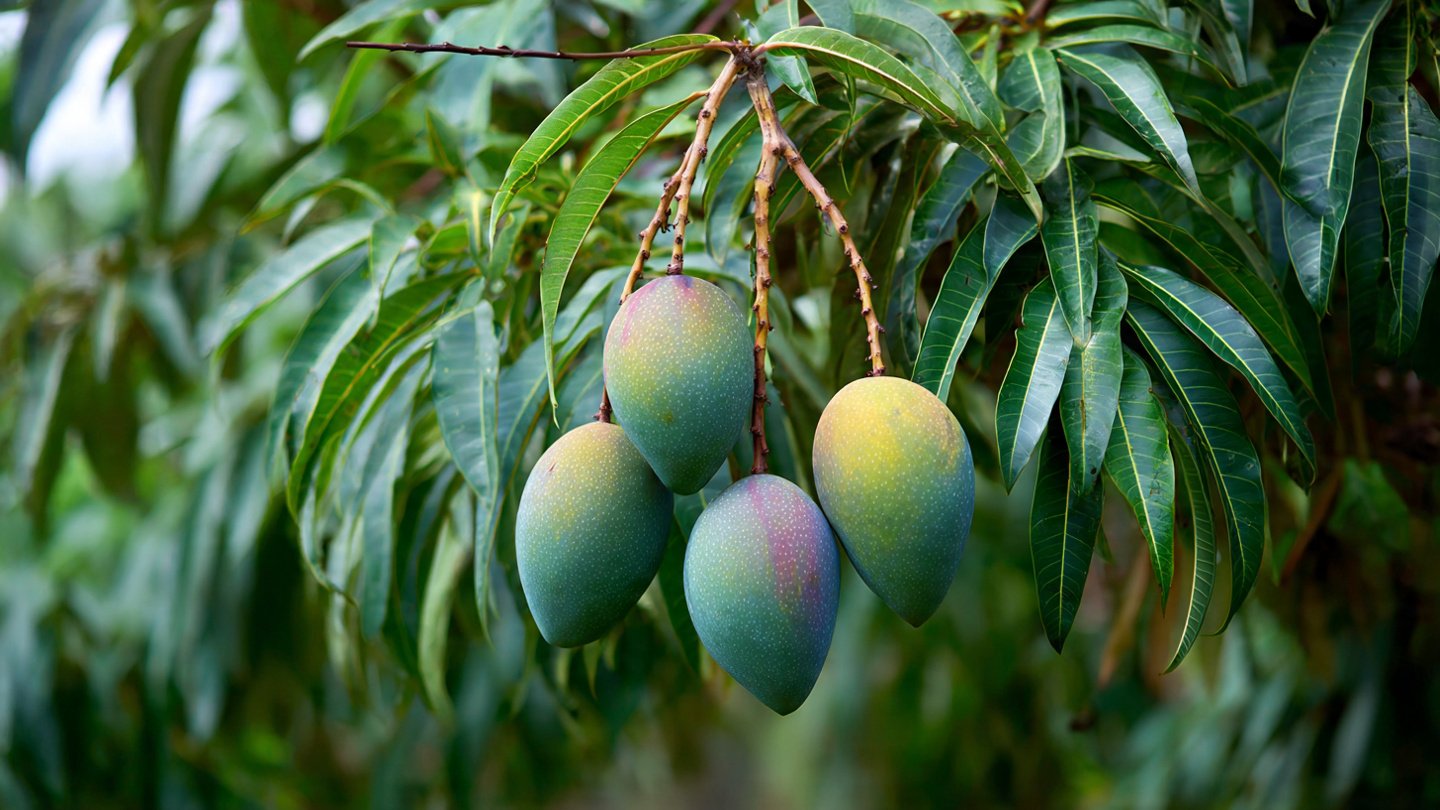
Mangoes are often dubbed the “king of fruits” due to their delicious sweet flavor, vibrant color, and rich nutritional value. If you’re a fan of this tropical delight and want to bring a piece of that paradise to your backyard, growing a mango tree from seed can be a rewarding endeavor. While it requires patience and proper technique, this guide will provide you with all the steps necessary to successfully grow a mango tree from seed.
Understanding Mango Trees
Mango trees (scientific name: Mangifera indica) thrive in tropical and subtropical climates. Though they can be grown in many regions, they require warm weather and plenty of sunlight for optimal growth. Understanding the nature of these trees will help you cultivate them effectively.
Latest Posts
- How to Use Invisible Wire for a Stunning Climbing Plant Wall
- Are Your Garden Tools Making Your Plants Sick?
- How to Style a Small Studio with Columnar Cacti
- Why Is My Zucchini Shaped Like a Lightbulb?
- How to Protect Your Fruit From Birds Without Nets
- How to Keep Squirrels Away from Your Fruit Trees
- How to Protect Your Fruit from Birds Without Nets
- Why Biochar Is a Game-Changer for Your Kitchen Garden
- Why Some Rare Cacti Bloom Only One Night a Year
- How to Grow Rare Blue Strawberries at Home
Soil Requirements
Mango trees prefer well-draining soil with a pH level between 5.5 and 7.5. Sandy or loamy soils are ideal, while clay-heavy soils can lead to root rot and poor growth. Incorporating organic matter such as compost can improve soil quality.
Sunlight and Temperature
Mango trees require full sun, ideally receiving at least 6 to 8 hours of sunlight each day. They thrive in temperatures between 70°F and 100°F (21°C to 38°C), although they can withstand short periods of cooler weather. Protecting young saplings from frost is crucial.
Water Requirements
While mango trees are drought-tolerant once established, younger trees require regular watering. Watering should be deep but infrequent, allowing the topsoil to dry out between watering sessions.
Steps to Grow a Mango Tree from Seed

Step 1: Choose Your Mango
-
Select a Healthy Mango: The first step is to choose a ripe, organic mango. Avoid hybrids and genetically modified varieties as they may not yield fruits true to their parent.
-
Extract the Seed: After enjoying the fruit, remove the mango seed. Rinse it under warm water to eliminate any fruit remnants. Allow the seed to dry for 24 hours.
Step 2: Prepare the Seed
-
Remove the Husk: The seed is encased in a hard husk. Gently crack this shell open to access the seed inside. Use a knife, but be cautious not to damage the seed itself.
-
Soak the Seed: Soak the seed in water for 24 to 48 hours. This process helps to soften the seed coat and can encourage germination.
Step 3: Germination
-
Choose a Germination Method: There are two popular methods for germinating mango seeds:

-
Water Method: Place the seed in a glass of water with the pointed end facing down. Change the water every few days. Within 1 to 3 weeks, you should see roots emerging.
-
Soil Method: Alternatively, you can plant the seed directly into well-draining potting soil, burying it about an inch deep. Keep the soil moist but not soggy.
-
-
Wait for the Seed to Germinate: If you chose the water method, once the roots are about 2-3 inches long, carefully transfer the seed to a pot with soil. If using the soil method, be patient; seeds can take anywhere from 2 to 8 weeks to sprout.
Step 4: Transplanting
-
Select the Right Pot: Use a pot that’s at least 10 inches in diameter for your emerging mango sapling. Ensure it has drainage holes to prevent waterlogging.
-
Transplant Carefully: If you started in water, carefully transplant the sprouted seedling into the pot. Fill around the roots with soil, making sure not to bury the stem or leaves.
Step 5: Caring for Your Mango Tree
-
Light and Location: Place your pot in a sunny area, such as a south-facing window or outdoors if temperatures permit.

-
Watering Schedule: Water your mango tree when the top inch of soil feels dry. Ensure good drainage to prevent root rot.
-
Fertilizing: Use a balanced fertilizer designed for fruit trees to promote healthy growth. Fertilize every 4-6 weeks during the growing season.
-
Pruning: As your tree grows, consider pruning to encourage a bushier shape and remove damaged or dead branches.
Step 6: Moving Outdoors
Once your mango tree reaches around 1-2 feet tall and the weather is consistently warm (around 70°F or 21°C), you can transplant it to your backyard.
-
Choosing a Location: Pick a sunny spot with well-drained soil. Avoid areas with strong winds, which can damage young trees.
-
Transplanting: Dig a hole that’s twice the width of the root ball. Carefully remove the tree from its pot and place it in the hole. Fill in with soil, ensuring it’s level with the surrounding ground.
-
Watering After Transplanting: Water the tree thoroughly after transplanting.

Step 7: Patience and Care
Your mango tree will require consistent care over the next few years as it grows. Patience is key, as it may take several years for your tree to start producing fruit—typically 3 to 5 years.
FAQs
1. How long does it take for a mango seed to sprout?
It typically takes 2-8 weeks for a mango seed to sprout, depending on the germination method used and ambient conditions.
2. Can I grow a mango tree in a pot?
Yes, mango trees can be grown in pots, especially smaller varieties. Ensure the pot is at least 10-12 inches in diameter with drainage holes.
3. How much sunlight does a mango tree need?
Mango trees thrive in full sunlight, requiring 6-8 hours of direct sunlight each day.
4. Can I grow mango trees in colder climates?
Mango trees prefer warm climates, but you can grow them in pots and bring them indoors during colder months if you live in a cooler area.

5. When will my mango tree produce fruit?
You can expect your mango tree to bear fruit in approximately 3 to 5 years after planting from seed, although this can vary based on care and environmental conditions.
6. How do I protect my mango tree from pests?
Regularly inspect your tree for pests. You can use organic insecticides or introduce beneficial insects, such as ladybugs, to manage pest issues.
7. What can I do if my mango tree isn’t growing well?
Check the soil moisture levels, sunlight, and the potential presence of pests. Adjusting watering habits and ensuring proper care can often improve growth.
Conclusion
Growing a mango tree from seed is a rewarding project that can enhance your backyard, offering delicious fruits for years to come. With the right care and patience, you can enjoy the fruits of your labor while experiencing the joy of nurturing a plant from seed to tree. Whether you’re a seasoned gardener or a beginner, this guide provides the foundational knowledge needed to embark on your mango-growing journey successfully. Happy gardening!