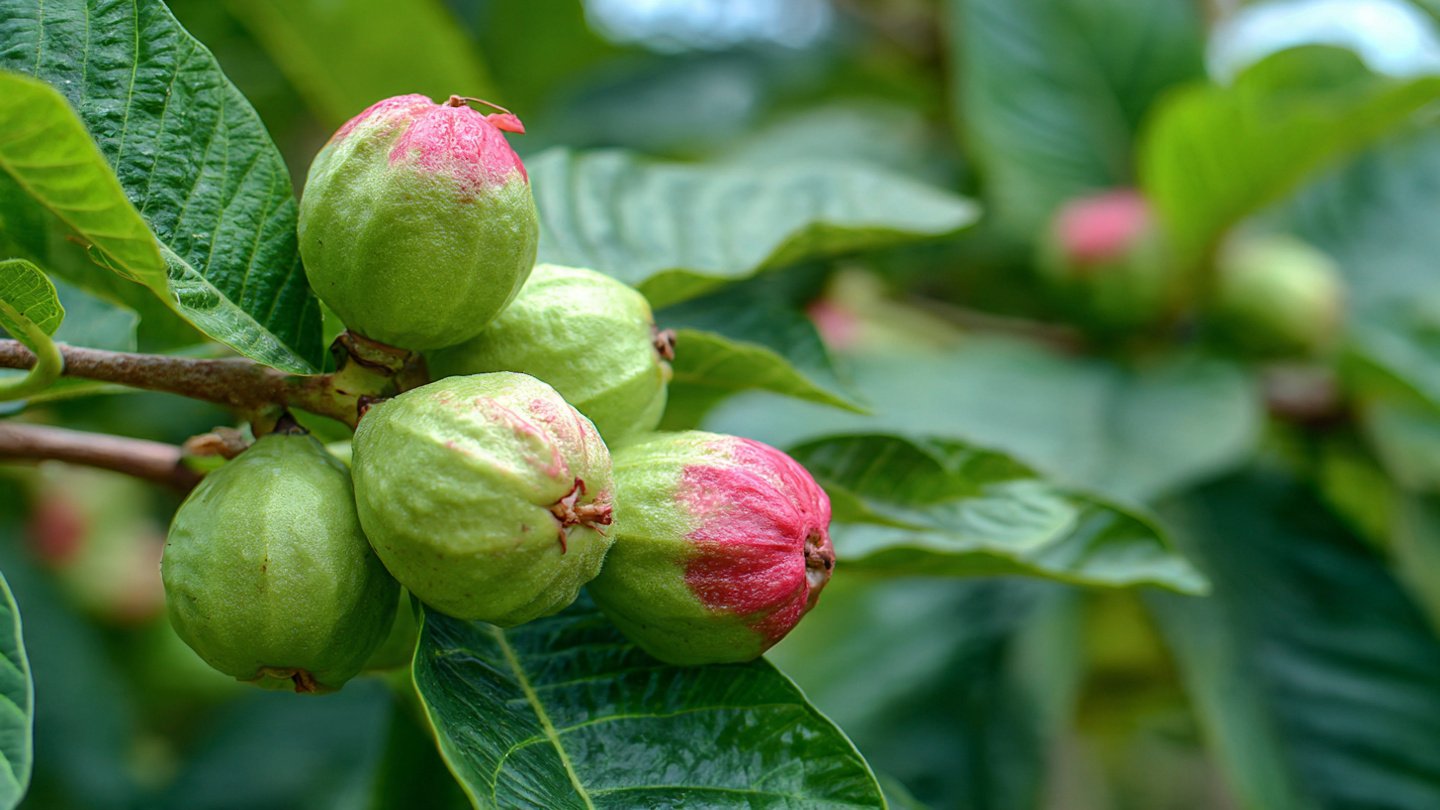
Guava trees (Psidium guajava) are not just a delight to the palate but are also easy to grow, making them a favorite among home gardeners. The sweet, aromatic fruit of the guava tree is rich in vitamins and antioxidants, adding nutritional value to your diet. Propagating guava trees can be a rewarding experience, allowing you to expand your garden and even share with friends and family. This comprehensive guide outlines simple techniques for successfully propagating guava trees at home.
Why Propagate Guava Trees?
- How to Use Invisible Wire for a Stunning Climbing Plant Wall
- Are Your Garden Tools Making Your Plants Sick?
- How to Style a Small Studio with Columnar Cacti
- Why Is My Zucchini Shaped Like a Lightbulb?
- How to Protect Your Fruit From Birds Without Nets
- How to Keep Squirrels Away from Your Fruit Trees
- How to Protect Your Fruit from Birds Without Nets
- Why Biochar Is a Game-Changer for Your Kitchen Garden
- Why Some Rare Cacti Bloom Only One Night a Year
- How to Grow Rare Blue Strawberries at Home
- Cost-Effective: Growing your own guava trees saves money compared to purchasing new plants from a nursery.
- Variety: You can cultivate different varieties of guavas, such as the pink-fleshed ‘Lemon Guava’ or the yellow-skinned ‘Apple Guava.’
- Personal Satisfaction: There’s great fulfillment in nurturing plants from cuttings to fruition.
Latest Posts
Understanding Guava Trees
Before diving into propagation techniques, it’s essential to understand guava trees better:
- Climate: Guava trees thrive in tropical and subtropical climates. They require full sun and well-drained soil.
- Growth: They can grow up to 10-15 feet tall but can be pruned for size control and better fruit production.
- Fruiting Season: Guavas typically fruit 1-2 times a year; the timing depends on your local climate.
Propagation Techniques
1. Seed Propagation
Steps:
-
Collect Seeds: Choose ripe guavas and extract their seeds. Wash them in water, removing the pulp.
-
Drying: Let the seeds dry for a few days in a shaded area.
-
Pre-Soaking: Before planting, soak the seeds in water for 24 hours to enhance germination rates.
-
Planting: Use a seed-starting mix in small pots. Plant the seeds about ½ inch deep and water gently.
-
Provide Heat and Light: Place the pots in a warm location with indirect sunlight. Guava seeds take 2-4 weeks to germinate.
-
Transplanting: Once seedlings reach about 4-6 inches in height, they can be transplanted into larger pots or directly into your garden.

2. Cutting Propagation
Cutting propagation is a faster method that yields quicker results.
Steps:
-
Selecting Cuttings: Choose healthy, young stems (6-8 inches long) from a mature guava tree. Semi-hardwood cuttings worked best during the growing season.
-
Preparing Cuttings: Remove lower leaves, leaving only 2-3 leaves at the top. You may also dip the cut end in rooting hormone to enhance root development.
-
Planting: Plant the cuttings in well-draining soil or a potting mix. Water thoroughly but ensure that the soil does not become waterlogged.
-
Creating a Humid Environment: To help retain moisture, cover the cuttings with a plastic bag or a clear plastic dome, allowing some airflow.
-
Monitor Growth: Place the cuttings in a warm, bright location. Roots usually develop within 4-8 weeks.
-
Transplanting: Once the cuttings have established roots, transplant them into individual pots for further growth.
3. Layering Propagation
Layering is another effective method, particularly for established trees.
Steps:
-
Choose a Branch: Select a low-hanging branch and bend it down to the ground without breaking it.
-
Wounding: Scrape away a small portion of the bark on the underside of the bent branch to stimulate rooting.
-
Burying: Plant the wounded section into the soil while leaving the tip exposed above ground. You can anchor it using a U-shaped wire or stakes.
-
Watering: Keep the buried section moist. Roots will form within a few months.
-
Separation: Once roots are well-established, cut the new plant from the parent tree and transplant it into a pot or garden spot.

Caring for Young Guava Trees
Once you’ve successfully propagated your guava trees, they need proper care to flourish:
Soil Requirements
Guava trees prefer well-drained, sandy loam soils enriched with organic matter. A pH level between 6 and 7.5 is ideal.
Watering
While guava trees are drought-tolerant, they require regular watering during their establishment phase. Ensure the soil remains moist but not soggy.
Fertilization
Feed young guava trees with a balanced fertilizer (N-P-K: 10-10-10) every 4-6 weeks during the growing season. Reducing frequency in winter is advisable.
Pruning
Pruning helps shape the tree, improves air circulation, and promotes fruit production. Remove dead or crossing branches to maintain a healthy structure.
Pest and Disease Management
Common pests include aphids, leafhoppers, and fruit flies. Neem oil or insecticidal soap can be used for pest control. Be vigilant for fungal infections, especially in humid climates.
Harvesting Guava Fruits
Guavas typically bear fruit after 2-4 years of planting, depending on the variety and cultivation methods. Here’s how to tell when it’s ripe:
- Color Change: Look for a change in skin color, which will vary based on the variety.
- Aroma: Ripe guavas emit a sweet, fruity aroma.
- Texture: Gently press the fruit; ripe guavas feel slightly soft but not mushy.
Harvest the fruits carefully to avoid bruising, and enjoy them fresh, in salads, or even as jams and jellies!
FAQs
1. How long does it take for guava seeds to germinate?
Germination usually takes 2-4 weeks under optimal conditions.
2. Can guava trees be grown indoors?
Yes, guava trees can be grown indoors in pots. Ensure they receive enough sunlight, preferably around 6-8 hours each day.
3. What is the best time to propagate guava trees?
Spring and early summer are the best times for propagation, as the trees are actively growing.
4. Do guava trees require pruning?
Yes, regular pruning promotes fruiting and keeps the tree healthy and manageable.
5. What are the ideal growing conditions for guava trees?
Guava trees thrive in warm climates with full sunlight, well-drained soil, and moderate watering.
6. Can I propagate guava trees from store-bought fruit?
Yes, you can use seeds from store-bought guavas, but ensure they are ripe and not from hybrid varieties which may not produce the same fruit.
Conclusion
Propagating guava trees can be a fun and fulfilling endeavor for gardeners of all experience levels. Whether you opt for seed propagation, cuttings, or layering, the key lies in understanding the growth conditions and providing proper care. With patience and dedication, you’ll soon enjoy the sweet fruits of your labor straight from your backyard! Happy gardening!