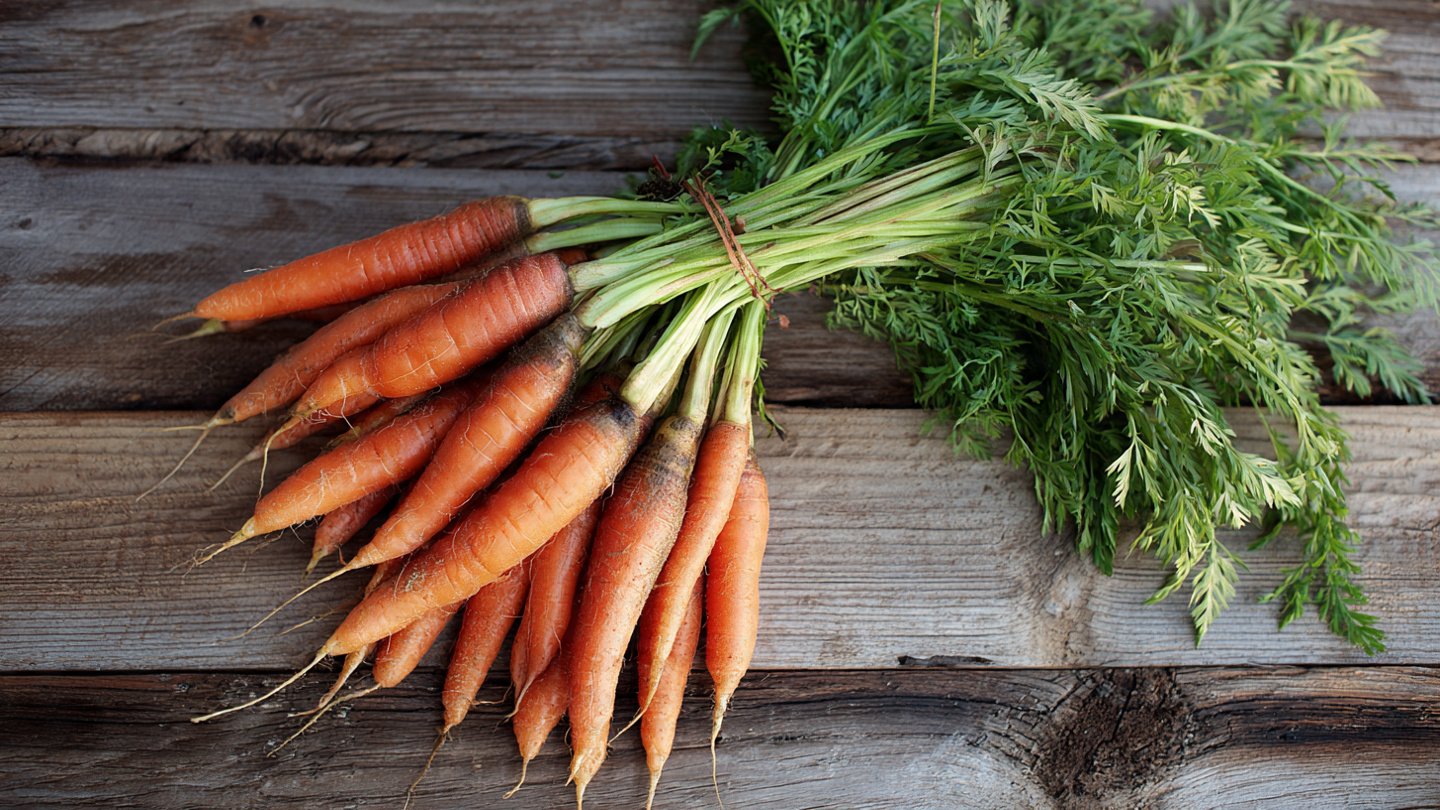
Growing your own carrots can be a rewarding experience, and it’s easier than you might think. This guide will take you through every step of the process—from choosing the right seeds to harvesting your delicious carrots—ensuring that you have everything you need to cultivate a bountiful crop in your home garden.
1. Understanding Carrots
Carrots (Daucus carota) are root vegetables that belong to the Apiaceae family. Known for their vibrant orange color, they can also be found in shades of purple, yellow, and white. Carrots are rich in vitamins A, C, and K, and are an excellent source of dietary fiber.
Latest Posts
- How to Use Invisible Wire for a Stunning Climbing Plant Wall
- Are Your Garden Tools Making Your Plants Sick?
- How to Style a Small Studio with Columnar Cacti
- Why Is My Zucchini Shaped Like a Lightbulb?
- How to Protect Your Fruit From Birds Without Nets
- How to Keep Squirrels Away from Your Fruit Trees
- How to Protect Your Fruit from Birds Without Nets
- Why Biochar Is a Game-Changer for Your Kitchen Garden
- Why Some Rare Cacti Bloom Only One Night a Year
- How to Grow Rare Blue Strawberries at Home
Varieties of Carrots
When it comes to growing carrots, you have a wide range of varieties to choose from. Here are a few common types:
- Nantes: These are sweet, cylindrical carrots that grow about 6-7 inches long and are excellent for fresh eating and juicing.
- Imperator: Typically longer and tapered, these carrots can reach lengths of 10-12 inches. They are the most common commercial variety.
- Danvers: Known for their wide shoulders and excellent storage qualities, these carrots grow about 7-8 inches long.
- Chantenay: Short and stocky, these carrots are about 4-5 inches long and are great for heavy soils.
Each variety has its unique flavor profile and growing requirements, so choose according to your taste preferences and soil conditions.
2. Planning Your Garden
A. Choosing the Right Location
Carrots thrive in full sun, so select a spot in your garden that receives at least 6-8 hours of sunlight daily. The soil should be loose, well-draining, and free from rocks and debris, which can impede root growth.

B. Soil Preparation
To grow healthy carrots, start with preparing your soil. Here’s how:
-
Test your soil: Before you plant, consider conducting a soil test to check for pH and nutrient levels. Carrots prefer a slightly acidic to neutral pH (around 6.0-6.8).
-
Amend the soil: If necessary, amend your soil with compost or well-rotted manure to improve its structure and fertility. Avoid using fresh manure, which can lead to forked roots.
-
Tilling: Loosen the soil by tilling it to a depth of at least 12 inches, breaking up any clumps to ensure smooth root development.
3. Planting Carrots
A. When to Plant
Carrots can be sown in early spring (as soon as the soil can be worked) or in late summer for a fall harvest. Generally, planting is best when soil temperatures reach 50-85°F (10-29°C).
B. Sowing Seeds
-
Seed depth: Carrot seeds are tiny, so sow them shallowly—about 1/4 inch deep.
-
Row spacing: Space rows approximately 12-18 inches apart to allow adequate room for root expansion.
-
Seed spacing: To prevent overcrowding, sow seeds 1-2 inches apart. You can thin them later to provide adequate space for growth.
-
Watering after sowing: Gently water the newly sown seeds to ensure the soil is moist but not soggy. A fine mist is ideal to avoid washing away the seeds.

4. Caring for Your Carrots
A. Watering
Carrots need consistent moisture to thrive. Water them regularly, especially during dry spells. Aim for about an inch of water per week, either from rainfall or irrigation.
B. Weeding
Weeds can compete with your carrots for nutrients and water. Control weeds by hand-pulling or using a hoe, being careful not to disturb the carrot roots. Mulching can help suppress weeds and retain soil moisture.
C. Fertilization
Once your carrots have established themselves (about 3-4 weeks after germination), you can fertilize with a low-nitrogen fertilizer. Excessive nitrogen can lead to lush tops with small or malformed roots.
D. Thinning
When your carrots are about 2-3 inches tall, thin them out to avoid overcrowding. Leave about 2-4 inches of space between each plant, depending on the variety.
5. Managing Pests and Diseases
While carrots are relatively hardy, they may face challenges from pests and diseases. Here are some common issues:

A. Pests
- Carrot flies: These pests lay their eggs near the base of the carrot, and their larvae feed on the roots. Use row covers to keep them at bay.
- Aphids: These small insects can weaken plants and spread disease. Spray with water or an insecticidal soap if infestations occur.
B. Diseases
- Fungal diseases: Overwatering can lead to root rot and fungal diseases. Ensure proper drainage and avoid wetting the foliage.
- Bacterial diseases: Seedlings can suffer from bacterial blight. Practice crop rotation and avoid working in the garden when plants are wet.
6. Harvesting Carrots
Carrots typically take about 70-80 days to mature, depending on the variety.
A. When to Harvest
You can begin harvesting when the roots reach 1/2 inch in diameter for baby carrots or 1 inch for mature carrots. Check the seed packet for specific variety information.
B. How to Harvest
-
Loosen the soil: Use a garden fork to gently loosen the soil around the carrots without damaging the roots.
-
Pulling: Grasp the leafy greens and pull upward. If they resist, continue loosening the soil until they come free.
-
Cleaning: Once harvested, gently brush off excess soil. Do not wash them until you’re ready to use them, as moisture can lead to rot.

7. Storing Carrots
Freshly harvested carrots are best consumed immediately, but they can be stored for later use:
- In the refrigerator: Store carrots in perforated plastic bags in the vegetable crisper. They can last 1-2 months.
- In sand: For longer storage, place carrots in a box filled with sand to keep them moist and cool.
8. Frequently Asked Questions (FAQs)
Q1: Can I grow carrots in containers?
Absolutely! Carrots can thrive in containers at least 12 inches deep. Choose a deep variety and ensure adequate drainage.
Q2: How can I tell if my carrots are ready to be harvested?
Check their size by loosely removing some soil around the roots. Carrots are generally ready when they measure about 1 inch in diameter.
Q3: What should I do if my carrots are growing deformed?
Deformed carrots could be a result of compacted soil or inconsistent watering. Ensure your soil is well-drained and consistently moist to encourage straight growth.
Q4: Do carrots need full sun?
Yes, carrots thrive in full sun, requiring at least 6-8 hours of sunlight a day for optimal growth.

Q5: Why are my carrot tops green but the roots are small?
This can occur if there’s too much nitrogen in the soil, which leads to lush foliage growth instead of root development. Use fertilizers with low nitrogen content.
Q6: Can I plant carrots and other crops together?
Yes, but avoid planting them near dill or parsnips, as they can affect each other’s growth. Good companion plants include onions and garlic.
Q7: How often should I water my carrots?
Carrots require consistent moisture, about an inch per week, whether through rain or irrigation. Adjust according to environmental conditions.
Q8: What is the best way to eat carrots?
Carrots can be enjoyed raw, steamed, roasted, or juiced. Experiment with different cooking methods to find your favorite!
Conclusion
Growing carrots at home is not only satisfying but also provides you with fresh, nutritious food. With the proper planning, care, and techniques outlined in this guide, you’ll be well on your way to harvesting your delicious crop. Whether you’re a seasoned gardener or a newbie, growing carrots can be an enriching experience. Happy planting!