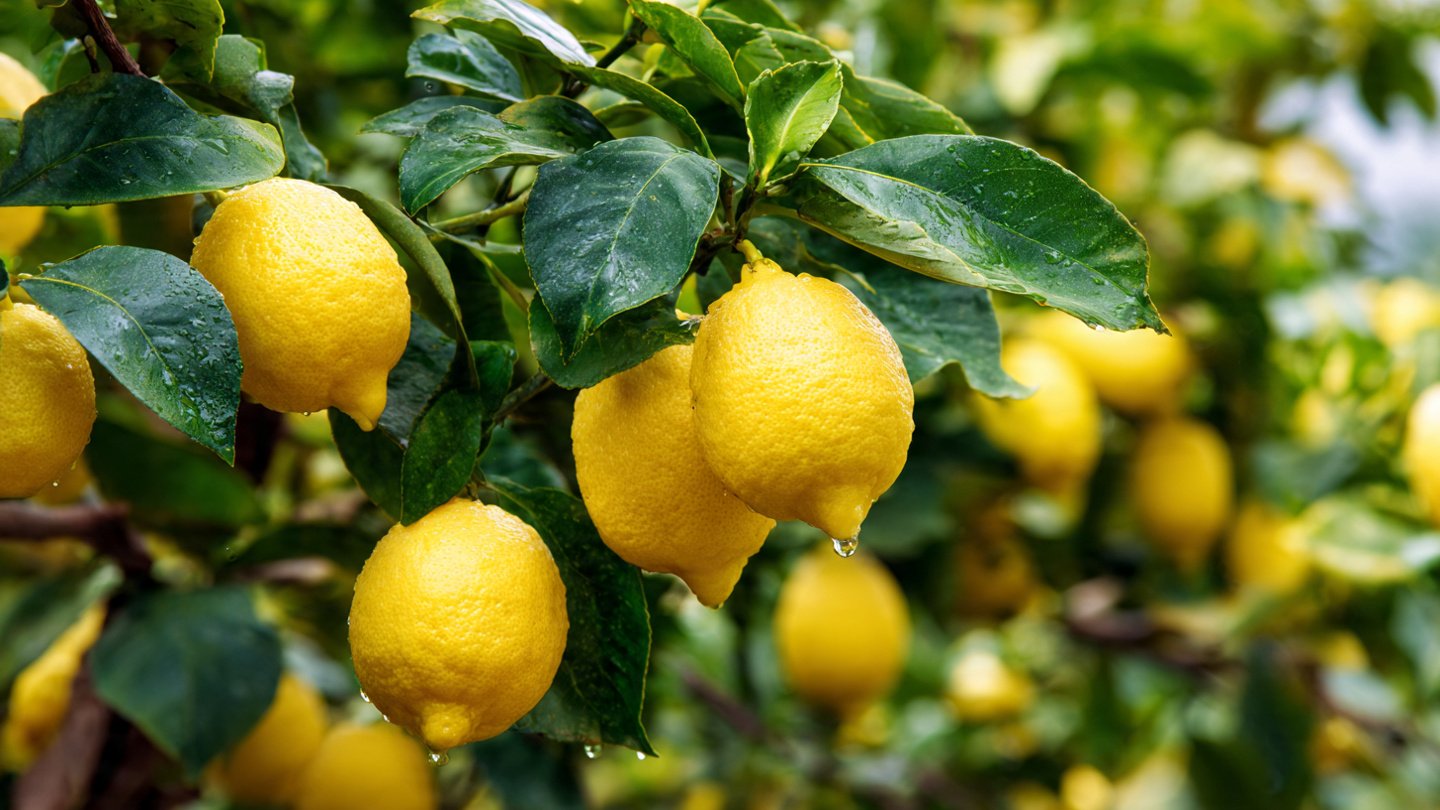
Lemon trees are not only a source of fresh, tangy fruit, but they can also add a delightful aesthetic to your home or garden. With the right care and attention, even beginners can successfully cultivate these vibrant trees. This guide covers everything you need to know about growing lemon trees at home, from selecting the right variety to managing pests and diseases.
1. Choosing the Right Lemon Tree Variety
Before you start planting, it’s essential to choose a variety that suits your climate and personal preferences. Some popular lemon tree varieties include:
1.1 Eureka Lemon
The Eureka lemon is the most common variety found in grocery stores. It produces large, juicy lemons year-round and thrives in warm climates.
1.2 Lisbon Lemon
Similar to the Eureka, the Lisbon lemon is a prolific producer and can also bear fruit year-round. It is slightly more cold-hardy, making it suitable for mild winter areas.
1.3 Meyer Lemon
A cross between a lemon and a mandarin orange, the Meyer lemon is sweeter and less acidic. These trees can be grown indoors or outdoors and are ideal for smaller spaces.
Latest Posts
- How to Use Invisible Wire for a Stunning Climbing Plant Wall
- Are Your Garden Tools Making Your Plants Sick?
- How to Style a Small Studio with Columnar Cacti
- Why Is My Zucchini Shaped Like a Lightbulb?
- How to Protect Your Fruit From Birds Without Nets
- How to Keep Squirrels Away from Your Fruit Trees
- How to Protect Your Fruit from Birds Without Nets
- Why Biochar Is a Game-Changer for Your Kitchen Garden
- Why Some Rare Cacti Bloom Only One Night a Year
- How to Grow Rare Blue Strawberries at Home

1.4 Ponderosa Lemon
The Ponderosa lemon is unique due to its large size and bumpy skin. It is a hybrid lemon and not as common, but its eye-catching fruit can be exciting to grow.
2. Ideal Growing Conditions
2.1 Climate
Lemon trees thrive in USDA hardiness zones 9–11. They require a warm, subtropical climate with plenty of sunlight. However, some varieties, like the Meyer lemon, can tolerate cooler temperatures and can be grown in pots indoors.
2.2 Sunlight
Lemon trees require full sun, which means they need at least 8 to 12 hours of sunlight daily. A south-facing location is preferred, whether indoors or outdoors.
2.3 Soil
The ideal soil for lemon trees is well-draining and fertile. A pH level between 5.5 and 6.5 is optimal. If your soil is heavy clay or sandy, consider amending it with organic matter like compost.
2.4 Water
A consistent watering schedule is crucial. Lemon trees prefer deep watering rather than frequent shallow watering. Allow the top inch of soil to dry out between watering sessions, and avoid waterlogging.

3. Planting Your Lemon Tree
3.1 Selecting a Container (for potted plants)
If you’re planting a lemon tree in a pot, choose a container that is at least 12–15 inches in diameter with drainage holes.
3.2 Planting in the Ground
If you’re planting in the ground, pick a spot with ample sunlight and ensure good air circulation around the tree.
3.3 Steps for Planting
- Dig a hole: The hole should be twice as wide and deep as the root ball of your lemon tree.
- Prepare the tree: Remove it from its pot and gently loosen any tight roots.
- Position the tree: Place the lemon tree in the center of the hole, ensuring the top of the root ball is level with the soil surface.
- Backfill: Fill in around the roots with soil, and gently pack it down to remove air pockets.
- Water generously: After planting, give your tree a deep watering to help settle the soil.
4. Caring for Your Lemon Tree
4.1 Fertilization
Lemon trees are heavy feeders, requiring regular fertilization. Use a balanced citrus fertilizer every 6–8 weeks during the growing season (spring and summer). Follow the product label for specific application rates.
4.2 Pruning
Regular pruning helps maintain the shape of your tree and encourages airflow. Remove any dead or crossed branches and trim for shape in late winter to early spring before new growth begins.
4.3 Mulching
Applying a layer of mulch around the base of your lemon tree helps retain moisture, suppress weeds, and regulate soil temperature. Organic materials like wood chips or straw are ideal.

4.4 Winter Care
If you live in a cooler climate, you may need to bring your potted lemon tree indoors during the winter months. Place it near a bright window to ensure it receives enough sunlight.
5. Managing Pests and Diseases
5.1 Common Pests
Lemon trees can attract a variety of pests, including:
- Aphids: Small insects that sap energy. Control them with insecticidal soap or neem oil.
- Spider Mites: These tiny pests thrive in dry conditions. Regularly mist your tree to maintain humidity and consider using miticides if necessary.
- Scale: Small, hard bumps that appear on leaves. You can remove them with a soft cloth and treat the tree with horticultural oil.
5.2 Common Diseases
- Powdery Mildew: A fungal disease that appears as a white powdery coating. Adequate air circulation and proper watering can prevent this.
- Root Rot: Often caused by overwatering. Ensure your tree has well-draining soil and adjust your watering schedule accordingly.
6. Harvesting Your Lemons
Lemons typically take 6 to 9 months to ripen after flowering. The best time to harvest is when they are fully rounded, have a bright yellow color, and feel slightly soft to the touch.
Steps for Harvesting
- Use pruning shears: To avoid damaging the tree, use sharp pruning shears to cut each lemon from the branch.
- Handle with care: Lemons bruise easily, so handle them gently during harvesting.
7. Frequently Asked Questions (FAQs)
7.1 Can lemon trees be grown indoors?
Yes! Especially dwarf varieties like the Meyer lemon can thrive indoors as long as they receive plenty of sunlight.
7.2 How often should I water my lemon tree?
Water your lemon tree deeply every 1–2 weeks, allowing the top inch of soil to dry out between waterings.

7.3 How long does it take for a lemon tree to bear fruit?
Most lemon trees take about 3–5 years to start producing fruit, although some dwarf varieties can bear fruit sooner.
7.4 What should I do if my lemon tree leaves turn yellow?
Yellowing leaves can indicate overwatering, nutrient deficiency, or pest infestations. Check drainage, adjust your watering routine, and inspect for pests.
7.5 What is the best fertilizer for lemon trees?
Use a balanced fertilizer specifically formulated for citrus trees, which will provide the necessary nutrients.
7.6 Should I prune my lemon tree?
Yes, regular pruning helps maintain shape, health, and airflow in your lemon tree.
7.7 Can I grow lemon trees from seeds?
While you can grow lemon trees from seeds, it may take longer to bear fruit, and the fruit may not be identical to the parent plant. It’s often more reliable to purchase young trees from a nursery.

Conclusion
Growing lemon trees at home can be a rewarding endeavor, providing fresh fruit and adding beauty to your living space. By following the tips outlined in this guide, you can cultivate healthy lemon trees and enjoy their tangy delights for years to come. Whether you’re an experienced gardener or just starting, with the right care, your lemon tree will thrive and produce a bountiful harvest.