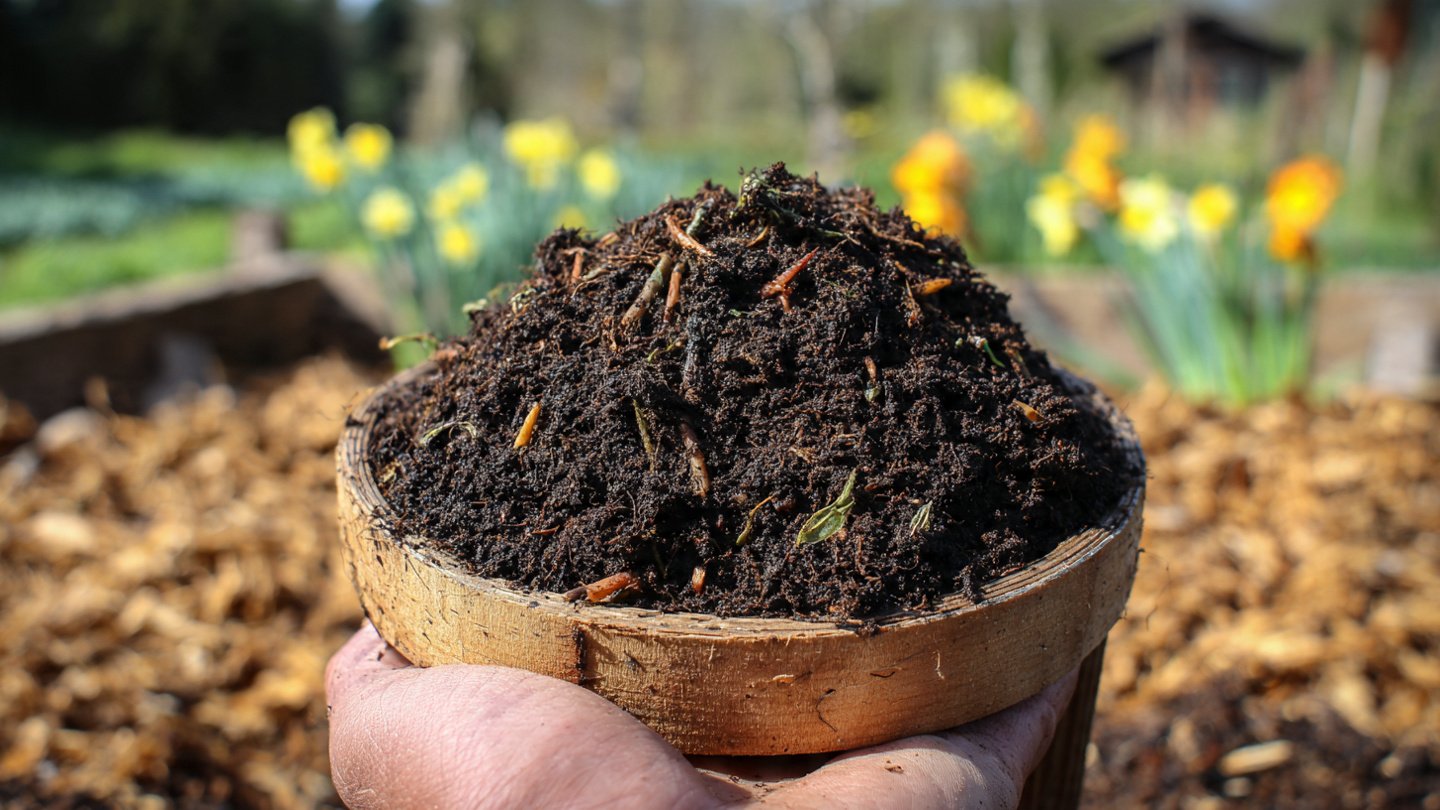
Composting is an eco-friendly way to recycle organic waste and create nutrient-rich soil for your garden. While traditional composting can take months, it’s possible to create compost in just ten days using specific techniques. This guide will walk you through the steps, materials, and methods needed to accelerate the composting process effectively.
Understanding Compost
Before diving into the how-to, let’s clarify what compost is. Compost is decomposed organic material that enriches soil, helping plants grow. It improves soil structure, moisture retention, and nutrient content, creating a thriving environment for beneficial microorganisms and earthworms.
Latest Posts
- How to Use Invisible Wire for a Stunning Climbing Plant Wall
- Are Your Garden Tools Making Your Plants Sick?
- How to Style a Small Studio with Columnar Cacti
- Why Is My Zucchini Shaped Like a Lightbulb?
- How to Protect Your Fruit From Birds Without Nets
- How to Keep Squirrels Away from Your Fruit Trees
- How to Protect Your Fruit from Birds Without Nets
- Why Biochar Is a Game-Changer for Your Kitchen Garden
- Why Some Rare Cacti Bloom Only One Night a Year
- How to Grow Rare Blue Strawberries at Home
Benefits of Quick Composting
-
Time Efficiency: Traditional composting can take several months to a year. Quick composting harnesses specific methods to accelerate decay.
-
Nutrient Density: Fast composting ensures that nutrients are preserved without losing their effectiveness.
-
Reduced Pests and Odors: Proper techniques can minimize unpleasant odors and deter pests by maintaining the right moisture and aeration levels.
Materials Needed for Quick Composting
-
Carbon-Rich Materials (Browns): These include dried leaves, straw, paper, sawdust, and cardboard. Aim for about 30% of your compost pile.
-
Nitrogen-Rich Materials (Greens): Fresh grass clippings, kitchen scraps (fruits and vegetables), coffee grounds, and manure make up the remaining 70%.
-
Moisture: Water is crucial in decomposing materials. The compost pile should be damp but not soggy.
-
Air: Oxygen is essential for the aerobic microorganisms that break down organic matter.
-
Microbial Starter: You can use store-bought compost starter or simply mix in some finished compost to speed up the process.

Step-by-Step Guide to Create Compost in Ten Days
Day 1: Gather Materials
-
Collect Greens: Gather fresh organic waste such as vegetable peels, fruit scraps, and coffee grounds.
-
Collect Browns: Shred cardboard, dry leaves, or straw to speed decomposition.
-
Choose a Location: Find a well-drained area with good air circulation to set up your compost pile.
Day 2: Build the Pile
-
Layering: Start with a base layer of coarse materials (like twigs) to promote airflow, followed by alternating layers of greens and browns.
-
Ratio: Aim for a 3:1 ratio of greens to browns. Remember to keep the pile moist (similar to a damp sponge) but not waterlogged.
-
Aerate: Mix the pile thoroughly to incorporate air around the materials. Using a pitchfork or shovel is ideal.
Day 3: Monitor and Adjust

-
Temperature Check: Turn the pile daily using a thermometer. Aim for a temperature of 130°F to 160°F to ensure effective decomposition.
-
Moisture Adjustment: If the pile is dry, add water while mixing. If it’s too soggy, add more browns.
-
Add Microbes: Introduce compost starter or mature compost to activate beneficial microbes.
Day 4: Turn the Pile
-
Aeration: Every 48 hours, turn the pile to introduce oxygen, which is crucial for aerobic microorganisms.
-
Check for Odors: A bad smell indicates anaerobic conditions. If that occurs, mix in more browns and aerate.
Day 5: Let it Cook
-
Temperature Monitoring: Continue testing the compost’s temperature. It should remain steady with daily aeration.
-
Keep It Moist: Maintain the right moisture level; too dry will slow down decomposition, while too wet may lead to anaerobic conditions.
Day 6: Continue Turning
-
Turn Daily: Daily turning will help speed up the composting process and evenly distribute moisture.

-
Add More Waste: If you have collected more kitchen scraps, layer them into the pile.
Day 7: Start Testing
-
Testing for Maturity: Check the smell and texture of the compost. There should be a pleasant earthy smell, and materials should be unrecognizable.
-
Humidity Check: Make sure the pile remains damp but not soggy.
Day 8: Blend and Observe
-
Mix: Continue to turn the compost, incorporating all layers uniformly.
-
Adjust Materials: If you notice a foul odor or moisture imbalance, adjust by adding browns or water as needed.
Day 9: Final Checks
-
Visual Inspection: Look for changes in color, texture, and aroma. The compost should look brown and crumbly.
-
Temperature: If the temperature begins to drop below 130°F, it’s time for the final turn.
Day 10: Harvest Your Compost
-
Determine Readiness: If the compost is dark, crumbly, and has a pleasant smell, it’s ready for use!
-
Sieve: Use a screen or sifter to remove any large unmatured pieces.
-
Storage: Store your finished compost in a dry, cool place until you’re ready to use it in your garden.
Key Pro Tips for Successful Quick Composting
- Chop & Shred: Smaller pieces break down faster, helping to expedite the process.
- Balance: Maintain a good balance of greens and browns to optimize microbial activity.
- Location: A sunny spot can help to heat up the compost pile, further speeding decay.
Troubleshooting Common Issues
- Odor Problems: Foul odors indicate anaerobic decomposition. Ensure proper aeration, adjust the carbon-nitrogen ratio, and mix in more browns.
- Pests: To deter pests like rodents, bury kitchen scraps at the center of the pile and ensure the pile is turned regularly.
- Slow Decomposition: If decomposition seems slow, check for moisture, aeration, and the balance of greens and browns.
FAQs
Q1: Can I compost dairy products and meat?
A1: It’s not advisable, as these materials can attract pests and create bad odors. Stick to fruits, vegetables, eggshells, and coffee grounds.
Q2: How often should I turn my compost pile?

A2: For quick composting, turn your pile every 1-2 days to maintain aeration and encourage faster decomposition.
Q3: What if my compost gets too hot?
A3: If the temperature exceeds 160°F, it may indicate that the pile is too compact. Turn the pile to aerate it and introduce cooler materials.
Q4: How can I tell if my compost is finished?
A4: Finished compost should be dark brown, crumbly, and have a pleasant earthy smell. It should no longer resemble the original materials.
Q5: Can I compost garden weeds?
A5: Yes, but only if they aren’t flowering or seeded. Hot composting can kill weed seeds and pathogens.
Q6: How should I store finished compost?
A6: Store it in a dry, cool area, covered to protect it from rain and excess moisture until you’re ready to use it.
Conclusion
Creating nutrient-rich compost in just ten days is achievable with the right materials and techniques. By carefully balancing your greens and browns, maintaining moisture and aeration, and regularly monitoring the temperature, you can significantly speed up the composting process. Not only will this provide your garden with rich nutrients, but you’ll also be reducing your household waste in an environmentally friendly way. Happy composting!