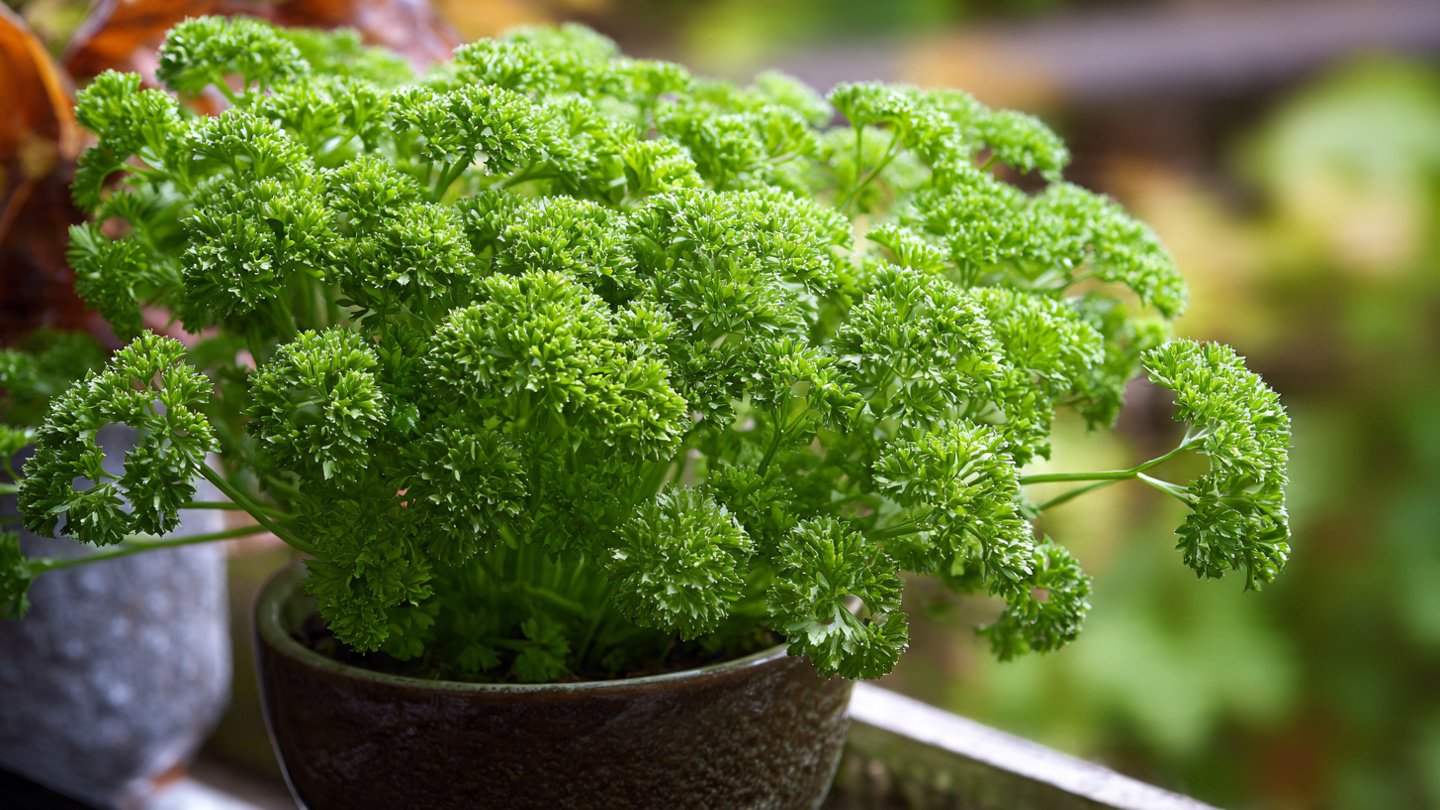
Growing parsley in containers is a rewarding experience that allows home gardeners to enjoy fresh herbs right at their fingertips. As one of the most versatile and popular culinary herbs, parsley adds flavor and color to a variety of dishes. This guide will walk you through the essentials of growing parsley in containers, from selection and planting to care and harvest.
Understanding Parsley
Parsley (Petroselinum crispum) is a biennial herb often grown as an annual. It comes in two main varieties: curly and flat-leaf (also known as Italian parsley). The curly variety is often used as a garnish, while the flat-leaf type is favored by cooks for its robust flavor.
Benefits of Growing Parsley in Containers
- Space-Saving: Containers can be placed on balconies, patios, or windowsills, making it ideal for gardeners with limited space.
- Mobility: You can move your parsley around to take advantage of sunlight or avoid harsh weather conditions.
- Soil Control: Container gardening allows you to control soil quality and composition more easily than in-ground gardening.
- Pest Management: Growing parsley in containers can help minimize pest problems, as you can relocate the plants and use barriers more effectively.
Selecting the Right Container
Choosing the right container is crucial for the success of your parsley plants. Here are a few key considerations:
Size
A container with a depth of at least 8-12 inches is ideal for parsley. However, a larger pot (around 12-16 inches in diameter) allows for better root development. Make sure the pot has drainage holes to prevent waterlogging.
Material
Containers can be made of plastic, clay, or ceramic. Each has its pros and cons:
Latest Posts
- How to Use Invisible Wire for a Stunning Climbing Plant Wall
- Are Your Garden Tools Making Your Plants Sick?
- How to Style a Small Studio with Columnar Cacti
- Why Is My Zucchini Shaped Like a Lightbulb?
- How to Protect Your Fruit From Birds Without Nets
- How to Keep Squirrels Away from Your Fruit Trees
- How to Protect Your Fruit from Birds Without Nets
- Why Biochar Is a Game-Changer for Your Kitchen Garden
- Why Some Rare Cacti Bloom Only One Night a Year
- How to Grow Rare Blue Strawberries at Home

- Plastic: Lightweight and affordable, but may retain heat and moisture.
- Clay: Breathable and adds aesthetic appeal, but can dry out quickly.
- Ceramic: Often decorative, but may be heavy and less suitable for mobile gardening.
Drainage
Good drainage is essential to prevent root rot. If using a solid container, add a layer of gravel or stones at the bottom to enhance drainage.
Soil Requirements
Parsley thrives in well-draining, nutrient-rich soil. A high-quality potting mix designed for herbs or containers is ideal. If you want to make your own mix, combine equal parts of:
- Potting soil: Provides nutrients and structure.
- Perlite or vermiculite: Improves drainage.
- Compost: Adds nutrients and beneficial microorganisms.
Planting Parsley
Timing
Parsley can be sown directly from seeds or started indoors. For best results:
- Seeds: Sow directly outside after the last frost date, or start them indoors 8-10 weeks before the last frost.
- Transplants: If you’re using nursery starts, follow the same timing as with seeds.
Sowing Seeds
- Prepare the Container: Fill your container with soil, leaving about an inch of space from the top.
- Moisten the Soil: Water the soil lightly before planting, ensuring it’s damp but not soggy.
- Sow Seeds: Sprinkle seeds evenly over the soil surface, then cover them with a thin layer of soil (about 1/4 inch).
- Water Again: Lightly mist the surface to avoid displacing the seeds.
Spacing
If planting more than one seed, space them about 6-8 inches apart to allow for air circulation and growth.
Caring for Your Parsley
Sunlight
Parsley grows best in full sun, which means it should receive at least 6 hours of direct sunlight daily. However, if you live in a hotter climate, providing some afternoon shade can prevent the leaves from scorching.

Watering
Parsley prefers consistently moist soil. Here’s how to water effectively:
- Frequency: Water when the top inch of soil feels dry, typically 1-2 times a week.
- Method: Water deeply to encourage deep root growth but avoid letting the container sit in standing water.
Fertilizing
During the growing season, feed your parsley with a balanced, water-soluble fertilizer every 4-6 weeks. Opt for a fertilizer with an N-P-K ratio of 10-10-10 or similar to ensure even nutrient distribution.
Pruning and Harvesting
Pruning is essential for encouraging growth and preventing the plant from becoming leggy. Here’s how to do it:
- Start Harvesting Early: Once the parsley has developed at least four to six leaves, you can start harvesting by snipping off the outer leaves. This encourages further growth from the center.
- Avoiding Overharvesting: Never remove more than one-third of the plant at once to ensure it remains healthy and productive.
Common Pests and Diseases
While parsley is relatively pest-resistant, it can still attract certain pests. Here are common issues and how to handle them:
Aphids
Small, sap-sucking insects that may cluster on new growth.

- Solution: Spray with water to dislodge them or use insecticidal soap for severe infestations.
Thrips
Tiny, slender insects that can cause speckling on leaves.
- Solution: Use yellow sticky traps or neem oil sprays to manage their population.
Fungal Diseases
Overwatering can lead to fungal infections like root rot. Ensure proper drainage and allow the soil to dry between watering to prevent this.
Overwintering Your Parsley
If you live in a mild climate, parsley can be grown as a biennial and may survive through the winter. In colder climates, consider the following strategies for overwintering:
- Bring Indoors: If your container is mobile, bring it inside before the first frost. Place it near a bright window.
- Mulching: For outdoor containers, add a layer of mulch on top to insulate the soil.
- Covering: Use burlap or row covers to protect the plants from frost.
Using Fresh Parsley
Fresh parsley can elevate the flavor of many dishes. Here are a few ideas on how to use it:
- Garnish: Use as a garnish on soups, stews, and plates.
- Salads: Toss chopped parsley into salads for a fresh flavor boost.
- Pesto: Blend with olive oil, nuts, and garlic for a unique pesto variation.
- Herb Butter: Mix with softened butter, lemon, and garlic for a flavorful spread.
FAQs
1. How long does it take for parsley to grow?
Parsley can take anywhere from 70 to 90 days to fully mature from seed, depending on growing conditions.
2. Can I grow parsley indoors?
Yes, parsley can be successfully grown indoors, provided it receives enough sunlight (at least 6 hours a day) and proper moisture.
3. Should I let parsley flower?
While parsley flowers will attract beneficial insects, it can lead to decreased leaf production. If you want to harvest parsley leaves, it’s best to pinch off flower buds as they appear.
4. How often should I fertilize parsley?
Generally, feed parsley every 4-6 weeks during the growing season with a balanced fertilizer.
5. Can I grow parsley from cuttings?
Parsley can be propagated from cuttings, but it’s more common and easier to start it from seeds.
Growing parsley in containers is a fulfilling hobby that not only enhances your culinary skills but also brings a touch of greenery to your home. With the right care and attention, you’ll harvest fresh parsley all season long, adding flavor and flair to your meals. Happy gardening!