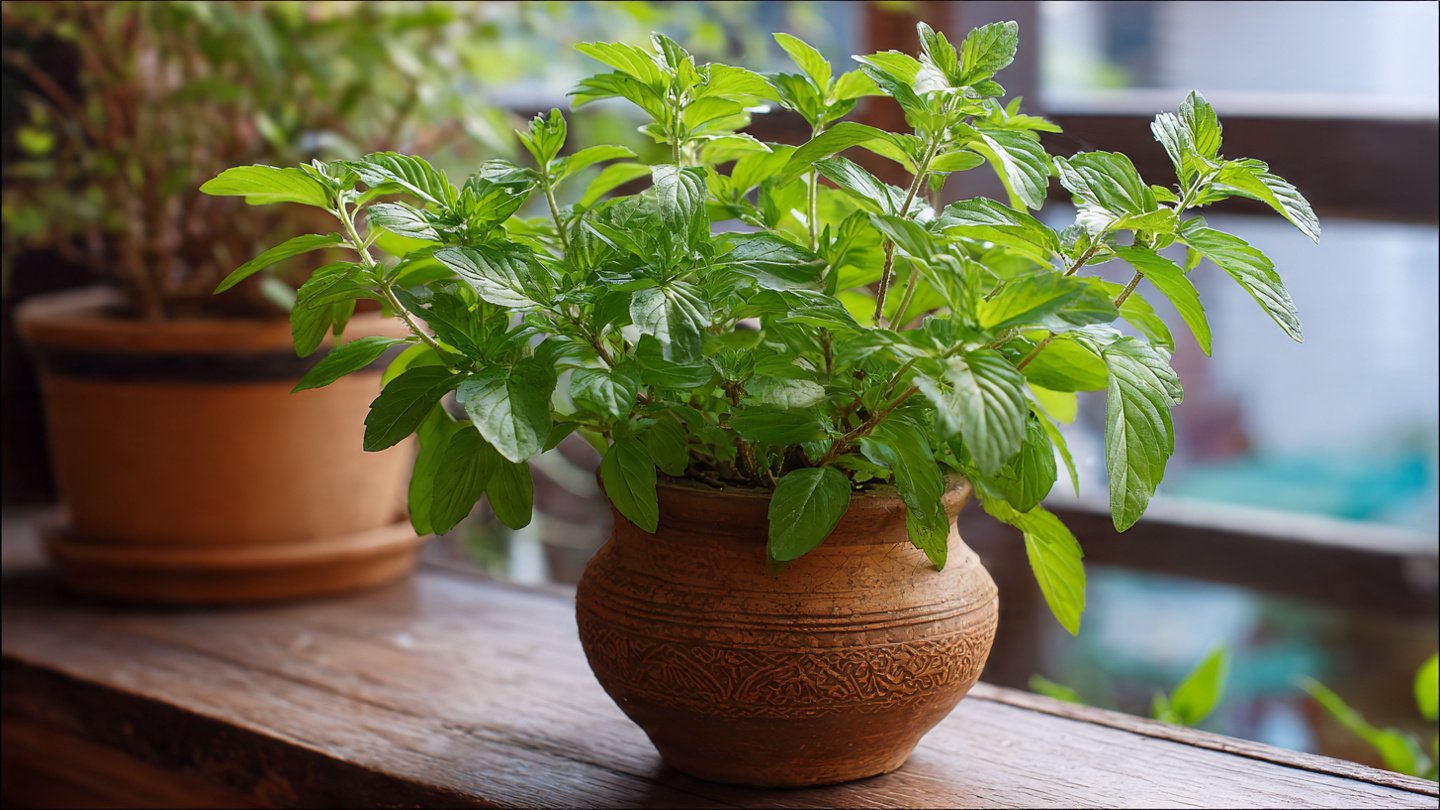
Basil Tulsi, known scientifically as Ocimum sanctum or Ocimum tenuiflorum, has been revered for centuries in traditional medicine and culinary practices, particularly in India. This aromatic herb is considered a sacred plant in Hindu culture, embodying spirituality and medicinal value. Growing Basil Tulsi at home not only enriches your garden but also provides a herb overflowing with flavor and health benefits. Here’s a comprehensive guide on how to successfully cultivate Basil Tulsi.
1. Understanding Basil Tulsi
Varieties of Tulsi
There are a few different varieties of Basil Tulsi, each with its unique characteristics:
- Krishna Tulsi: Dark purple leaves with a strong, clove-like flavor.
- Rama Tulsi: Green leaves with a milder flavor, often used in culinary dishes.
- Vana Tulsi: A wild variety known for its aromatic leaves and medicinal properties.
Each variety can be chosen based on personal preference, usage, and climate adaptability.
2. Choosing the Right Location
Sunlight
Basil Tulsi thrives in full sunlight, requiring at least 6 to 8 hours of direct sunlight each day. Consider placing your pot or garden bed in a location that receives ample sunlight, particularly in the morning.
Soil Type
Well-draining, loamy soil that is rich in organic matter is best for Basil Tulsi. Aim for a soil pH of around 6.0 to 7.0. You can improve soil quality by adding compost or well-rotted manure.
Latest Posts
- How to Use Invisible Wire for a Stunning Climbing Plant Wall
- Are Your Garden Tools Making Your Plants Sick?
- How to Style a Small Studio with Columnar Cacti
- Why Is My Zucchini Shaped Like a Lightbulb?
- How to Protect Your Fruit From Birds Without Nets
- How to Keep Squirrels Away from Your Fruit Trees
- How to Protect Your Fruit from Birds Without Nets
- Why Biochar Is a Game-Changer for Your Kitchen Garden
- Why Some Rare Cacti Bloom Only One Night a Year
- How to Grow Rare Blue Strawberries at Home

Container vs. Ground Planting
While Basil Tulsi can be grown in the ground, containers are an excellent choice as they allow for better control over soil and drainage. Choose pots that are at least 12 inches deep with drainage holes.
3. Planting Basil Tulsi
Seeds or Seedlings
You can start Basil Tulsi from seeds or buy seedlings from a nursery. If planting seeds, sow them about 1/4 inch deep and 2 inches apart. Thin the seedlings later to about 12 inches apart, ensuring they have adequate space for growth.
Timing
The best time to plant Basil Tulsi is during the spring after the last frost. In warmer climates, you may be able to start earlier. Ideally, the temperature should be between 70°F and 90°F (21°C to 32°C) for optimal growth.
4. Watering and Maintenance
Watering
Basil Tulsi needs consistent moisture without waterlogging. Water the plants deeply when the top inch of soil feels dry. Ensure proper drainage to prevent root rot. In hot weather, you may need to water more frequently.
Fertilizing
Fertilize your Basil Tulsi with a balanced, water-soluble fertilizer every four to six weeks. Organic options like fish emulsion or compost tea are also effective. Over-fertilization can lead to excessive leaf growth with reduced flavor.
Pruning
Regular pruning is vital for maintaining a robust plant. Pinch off the tips of the stems once the plants are about 6 inches tall. This encourages bushier growth and prevents flowering, which can alter the flavor.
5. Pest and Disease Management
Common Pests
Basil Tulsi can be susceptible to pests such as aphids, whiteflies, and spider mites. Regularly inspect your plants and remove pests by hand or use insecticidal soap as needed.
Diseases
Watch out for fungal diseases like downy mildew and root rot. Ensure good air circulation around the plants and avoid overhead watering to help prevent these issues.
6. Harvesting Basil Tulsi
Timing
You can start harvesting leaves once the plants are about 6 to 8 inches tall. Harvest in the morning when the oil concentrations are at their peak for the best flavor.
Methods
When harvesting, use clean scissors to cut the leaves just above a node. This practice encourages further growth and prevents the plant from bolting and flowering too early.
7. Storing Basil Tulsi
Fresh Use
Fresh Basil Tulsi can be stored in the refrigerator wrapped in a damp paper towel in a plastic bag for up to a week.
Drying
To dry Basil Tulsi, hang the stems upside down in a cool, dark place. Once dried, store the leaves in an airtight container away from sunlight. Dried basil retains its flavor for several months.
Freezing
Freezing Basil Tulsi is another great way to preserve its flavor. You can chop the leaves and mix them with water in an ice cube tray to create flavorful basil cubes.
8. Health Benefits of Basil Tulsi
Basil Tulsi is loaded with health benefits, including:
- Anti-inflammatory properties: Helps reduce inflammation in the body.
- Stress relief: Acts as an adaptogen, aiding in stress management.
- Antimicrobial effects: Promotes oral health and may combat infections.
- Rich in antioxidants: Helps protect against cellular damage.
FAQs
1. Can Basil Tulsi be grown indoors?
Yes, Basil Tulsi can thrive indoors as long as it gets sufficient sunlight (6-8 hours). Make sure to choose a sunny windowsill or use grow lights if the natural light is insufficient.
2. How often should I water Basil Tulsi?
Water Basil Tulsi when the top inch of soil feels dry. Be careful not to overwater; consistent moisture is essential, but soggy soil can lead to root rot.
3. Why is my Basil Tulsi plant wilting?
Wilting can be a sign of either overwatering or underwatering. Check the soil moisture levels. If the soil is too dry, water it thoroughly; if it’s too wet, adjust your watering schedule.
4. What to do if Basil Tulsi starts to flower?
If your Basil Tulsi starts to flower, it’s best to prune the flowers and any associated leaf nodes, as flowering can reduce leaf quality and flavor. Pinching off flower buds encourages bushier growth.
5. Can I use dried Basil Tulsi for tea or cooking?
Absolutely! Dried Basil Tulsi is great for making tea or adding to various dishes. However, fresh leaves are more aromatic and flavorful.
6. Is Basil Tulsi safe for pets?
Basil Tulsi is generally considered safe for pets in small amounts. However, if a pet consumes a large amount, it’s advisable to consult a veterinarian.
7. How can I propagate Basil Tulsi?
Propagation can be done by taking stem cuttings. Simply cut 4-6 inches from an existing plant, remove excess leaves, and place the cut end in water or directly into soil. Roots will develop in a few weeks.
8. How long does it take for Basil Tulsi to grow?
From seed to harvest, Basil Tulsi usually takes about 4 to 6 weeks. Regular care, such as pruning and maintaining moisture, can help ensure a healthy and robust plant.
Conclusion
Growing Basil Tulsi at home is a rewarding endeavor that combines culinary delight with numerous health benefits. With the right care and attention, this aromatic herb can enhance your dishes, boost your well-being, and provide a sensory experience that connects you to its rich cultural heritage. By following the tips outlined above, anyone can cultivate a flourishing Basil Tulsi garden, even in the most limited spaces. Happy gardening!