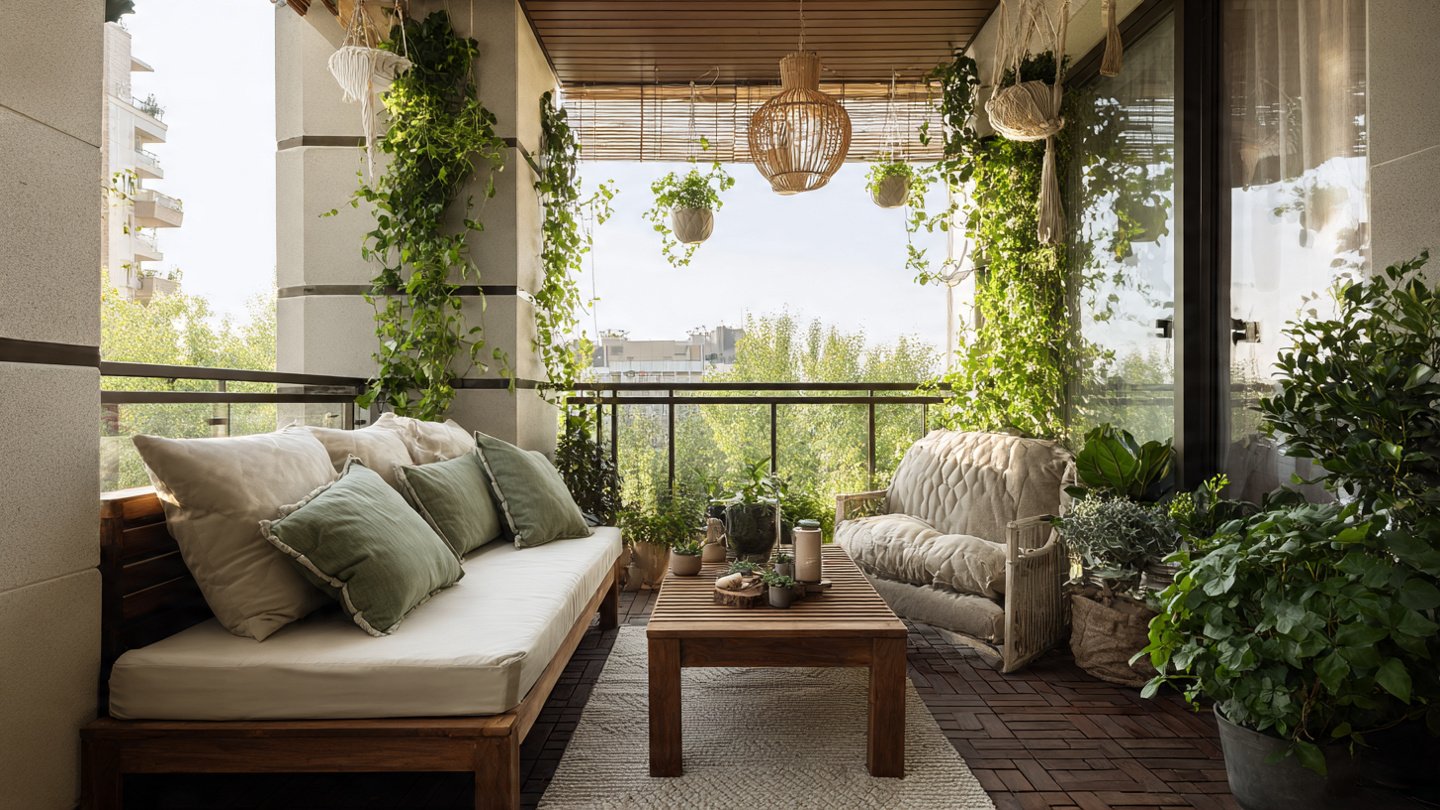
Transforming a balcony into a Zen meditation space allows you to find peace and tranquility in the comfort of your home. A serene outdoor area encourages relaxation, mindfulness, and a deeper sense of connection with nature. Here, we’ll guide you step-by-step through the process of turning a cluttered balcony into a refreshing Zen retreat.
1. Decluttering: The First Step to Serenity
The first step in creating your Zen space is to declutter. A clean environment is essential for mindfulness; it allows you to focus on your practice instead of distractions.
Latest Posts
- How to Use Invisible Wire for a Stunning Climbing Plant Wall
- Are Your Garden Tools Making Your Plants Sick?
- How to Style a Small Studio with Columnar Cacti
- Why Is My Zucchini Shaped Like a Lightbulb?
- How to Protect Your Fruit From Birds Without Nets
- How to Keep Squirrels Away from Your Fruit Trees
- How to Protect Your Fruit from Birds Without Nets
- Why Biochar Is a Game-Changer for Your Kitchen Garden
- Why Some Rare Cacti Bloom Only One Night a Year
- How to Grow Rare Blue Strawberries at Home
- Assess your items: Start by evaluating everything on your balcony. Determine what is essential and what can be removed.
- Organize: For any items you wish to keep, consider organizing them in bins or storage solutions that blend into the aesthetic of your Zen space.
- Recycle or donate: Dispose of items you don’t need responsibly, either by recycling or donating them to local charities.
2. Choosing the Right Flooring
The flooring of your balcony sets the foundation for your Zen atmosphere. The right choice can make your space feel more inviting and warm.

- Natural materials: Use wooden decking or bamboo mats to provide a natural feel. These materials can help create a seamless transition from your balcony to nature.
- Outdoor rugs: Incorporate soft outdoor rugs to add comfort and warmth to your space. Choose colors and designs that evoke calmness, such as muted greens or browns.
3. Incorporating Nature
One of the key elements of a Zen space is a connection to nature. Here’s how to integrate it:
- Add plants: Incorporate various plants such as bonsais, succulents, or bamboo. These not only beautify your space but also promote a sense of peace.
- Water features: If possible, include a small water fountain. The sound of flowing water can create a calming atmosphere and help drown out city noise.
- Natural elements: Use stones, sand, or pebble arrangements to bring a touch of natural beauty to your balcony.
4. Choosing Calm Colors

The colors surrounding you can greatly influence your mood. Opting for calming colors can enhance your meditation practice.
- Earth tones: Use soft greens, browns, and blues to evoke tranquility.
- Neutral palettes: Beige, off-whites, and light grays can remove distractions and create a soothing backdrop.
- Accent colors: Add small splashes of color, like cushions or pottery, using soft and muted tones for a lively but relaxed look.
5. Creating a Comfortable Seating Area
A dedicated seating area is essential for meditation and relaxation. Consider the following:
- Pillows and cushions: Use large floor cushions or meditation mats that provide comfort so you can sit for extended periods.
- Sitting benches: A simple wooden bench can provide seating as well as a beautiful element in your space.
- Hammocks or swings: If space allows, consider adding a hammock or a swing chair for a soothing, swaying experience.

6. Creating Ambiance with Lighting
Lighting can transform your balcony from day to night. Utilize it wisely to maintain a tranquil ambiance.
- Soft lighting: Use fairy lights, lanterns, or solar-powered lights to create a calming atmosphere.
- Candles: Incorporate candles for a warm glow and a soothing scent. Opt for unscented options if you find fragrances distracting.
- Natural light: Ensure your balcony allows natural light during the day, as sunlight is beneficial for mood and mental health.
7. Adding Inspirational Elements
Consider integrating personal elements that inspire calmness and positivity:
- Artwork: Hang calming artwork, such as landscapes or abstract pieces in soft colors, to inspire serenity.
- Wind chimes: The gentle sound of wind chimes can enhance relaxation while adding a delightful visual aspect.
- A small altar: If spirituality is important to you, create a small altar with meaningful objects, crystals, or symbols that inspire you.

Conclusion
Transforming your cluttered balcony into a Zen meditation space requires some thoughtful planning and design. By decluttering, creating a natural environment, incorporating calming colors, and personalizing your space, you can achieve a tranquil oasis that promotes mindfulness and serenity. This personal sanctuary will not only enhance your meditation practices but also provide a place for relaxation and rejuvenation amidst the hustle and bustle of daily life.
FAQs
1. How much time does it take to transform my balcony?
The time required depends on the current state of your balcony and the extent of changes you want to make. A basic decluttering and rearranging can be done in a few hours, while larger projects may take a weekend or longer.
2. Do I need to spend a lot of money to create a Zen space?

No, creating a Zen space doesn’t necessarily require a large budget. There are many affordable options for plants, furniture, and decor that can help create a peaceful environment.
3. Can I use my balcony for meditation if I live in a noisy area?
Yes, even in noisy areas, you can use sound-blocking elements like water features or soft music to mask disruptive noises, helping you create a peaceful atmosphere.
4. What types of plants are best for a Zen space?
Some ideal plants for a Zen space include bamboo, peace lilies, and succulents. Choose low-maintenance varieties that thrive in your local climate.
5. How can I ensure my Zen space remains clutter-free?
Regularly assess and maintain your Zen space by dedicating time weekly or monthly to tidy up, remove unnecessary items, and keep only what enhances your tranquil atmosphere.