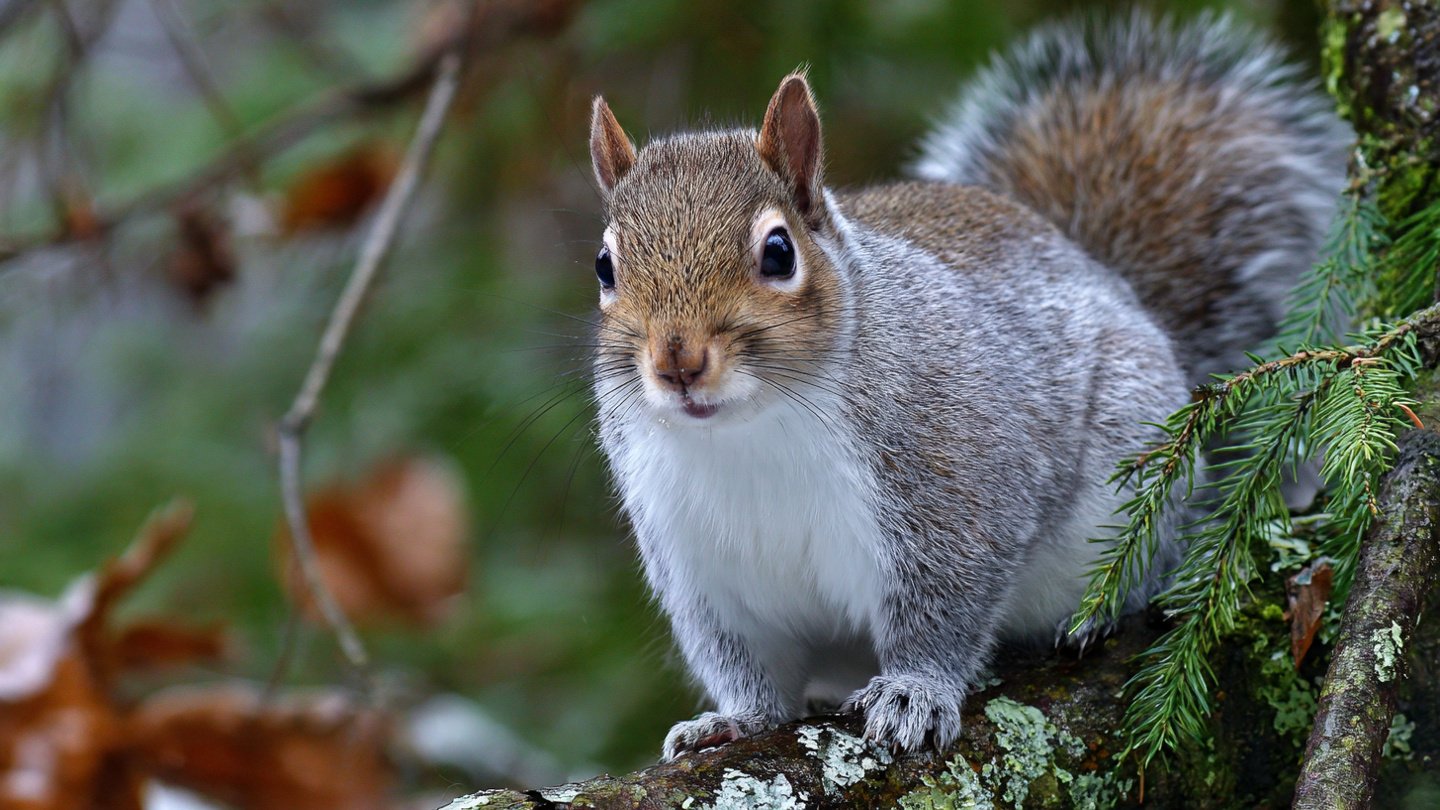
Squirrels are agile and clever creatures that can quickly become a nuisance for gardeners, particularly for those who have fruit trees. They can decimate crops in no time, causing frustration and loss of harvest. Fortunately, there are several effective methods you can adopt to deter these furry invaders without harming them. This article presents various strategies you can implement to keep squirrels at bay and protect your fruit trees.
Understanding Squirrel Behavior
To effectively deter squirrels, it is essential first to understand their behavior and habits. Squirrels are primarily motivated by food, especially when they know that fruit trees bear ripe and delicious offerings. They are also intelligent and can learn to navigate around some deterrents, making it crucial to use a combination of methods to achieve success.
Key Insights about Squirrels:
- Squirrels are social animals that often work in groups.
- Their sharp sense of smell helps them locate food from a distance.
- They are excellent climbers and can easily scale trees.
- Squirrels tend to be active during the early morning and late afternoon.
Effective Deterrent Techniques
1. Physical Barriers
One of the most straightforward methods to keep squirrels out of your fruit trees is to create physical barriers. This can include:

- Tree Guards: Use metal or plastic tree guards around the trunk of the tree. Choose guards at least 4 feet high to prevent squirrels from climbing.
- Netting: Cover trees with fine mesh netting. Ensure the netting is secured tightly to prevent squirrels from getting underneath.
- Scare Tactics: Hanging reflective objects, old CDs, or aluminum foil strips around the tree can deter squirrels by creating movement and light reflections that scare them off.
2. Repellents
Various natural and chemical repellents can confuse or deter squirrels. Utilize the following:
- Capsaicin Spray: Made from hot peppers, capsaicin is an effective deterrent. Spray it on the fruits and foliage to create an unpleasant taste for the squirrels.
- Scent Repellents: Strong scents such as peppermint oil, garlic, or vinegar can repel squirrels. Dilute these with water and spray them on or near the trees.
- Commercial Repellents: There are many commercial squirrel repellents designed specifically for this purpose. Check for products that are safe for use around plants.
3. Garden Adjustments
Making adjustments to your garden environment can significantly impact squirrel activity:
Latest Posts
- How to Use Invisible Wire for a Stunning Climbing Plant Wall
- Are Your Garden Tools Making Your Plants Sick?
- How to Style a Small Studio with Columnar Cacti
- Why Is My Zucchini Shaped Like a Lightbulb?
- How to Protect Your Fruit From Birds Without Nets
- How to Protect Your Fruit from Birds Without Nets
- Why Biochar Is a Game-Changer for Your Kitchen Garden
- Why Some Rare Cacti Bloom Only One Night a Year
- How to Grow Rare Blue Strawberries at Home
- How Ants Help Certain Flowers Reproduce
- Remove Attractants: Clean up any fallen fruit from the ground, as this can attract squirrels. Additionally, avoid leaving pet food or birdseed out in the open.
- Companion Planting: Certain plants are known to repel squirrels. Consider incorporating plants like sage, mint, or daffodils into your garden.
- Feeding Stations: If you enjoy watching squirrels, you could set up a feeding station away from your trees to divert their attention.
4. Traps and Relocation
If the problem persists, consider using humane traps to capture and relocate squirrels. Here are some pointers:

- Use bait like peanut butter or sunflower seeds inside a humane trap.
- Check local regulations regarding the relocation of captured wildlife, as they may vary by location.
- Make sure to release the squirrels far away from residential areas to prevent them from returning.
Combining Methods for Success
While each method can be effective on its own, combining various strategies often yields the best results. For example, installing physical barriers while employing repellents can create an obstacle course that squirrels find difficult to navigate. Moreover, regular maintenance of your trees and garden will additionally reduce the likelihood of squirrel interference.
Conclusion
Deterring squirrels from your fruit trees doesn’t have to be an insurmountable challenge. By understanding their behavior and adopting a mix of physical barriers, repellents, and strategic garden adjustments, you can effectively protect your harvest. Remember that persistence is key, as you may need to try several methods before finding the perfect combination that works for you. Happy gardening!
FAQs
1. What time of year are squirrels most active?
Squirrels tend to be most active in spring and fall when they are foraging for food and preparing for the winter months.

2. Are squirrels dangerous to trees?
Yes, squirrels can be harmful to trees as they chew on the bark and roots, leading to potential long-term damage.
3. Can I use poisons to deter squirrels?
It’s highly discouraged to use poisons since they can endanger other wildlife, pets, and children. Opt for humane methods instead.
4. Can squirrels climb tree guards?
If high enough and securely fastened, tree guards can effectively prevent squirrels from climbing the tree.

5. How often should I reapply repellents?
Repellents typically need to be reapplied every couple of weeks, especially after rain, to maintain their effectiveness.