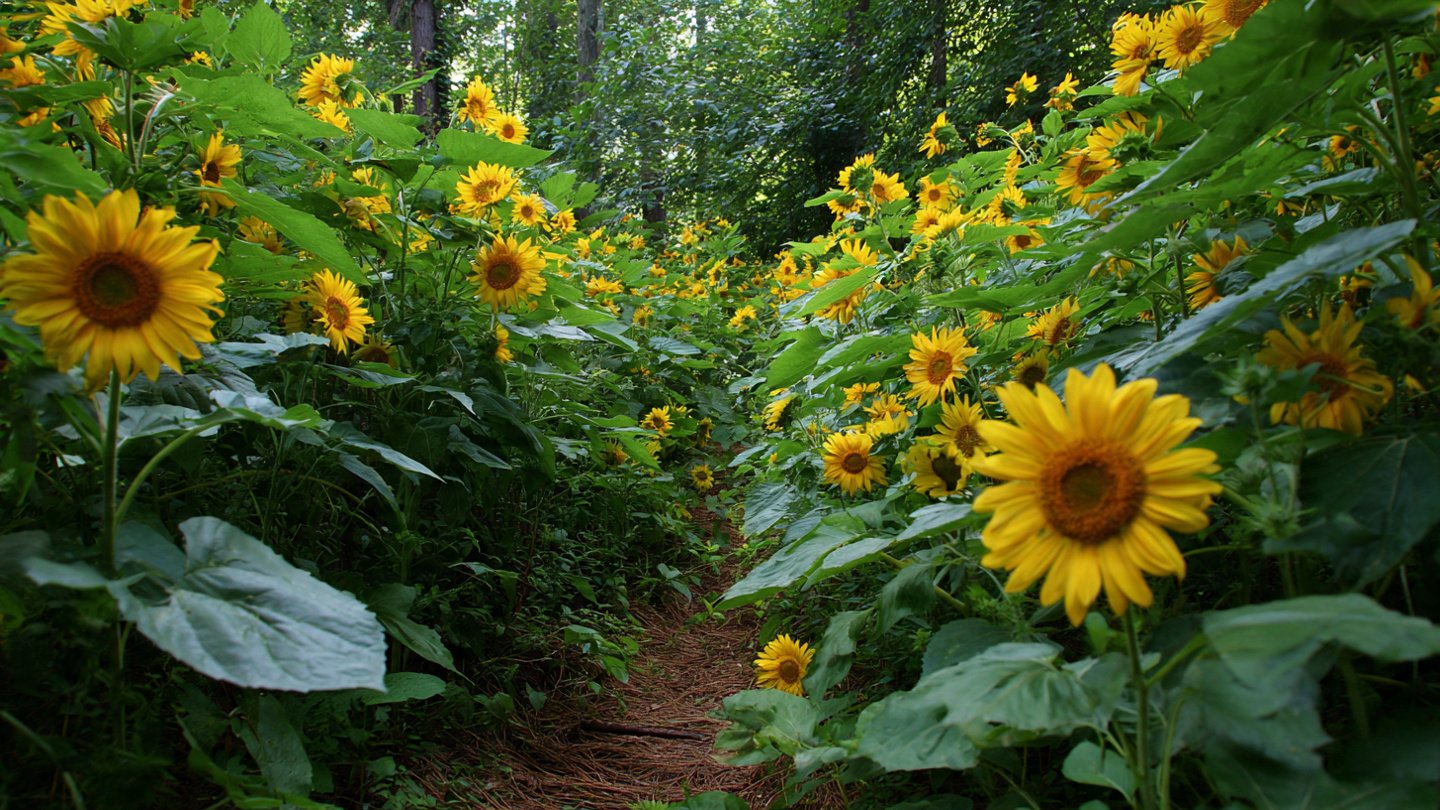
Sunflowers, known for their vibrant colors and towering heights, can transform your garden into a private oasis while also providing nutritious food. Creating a sunflower forest may seem daunting, but with the right preparation, care, and understanding, you can cultivate a flourishing space that offers both seclusion and sustenance. In this article, we will explore the steps to creating a sunflower forest for privacy and food, including species selection, planting techniques, care instructions, and additional uses for your sunflower bounty.
Why Choose Sunflowers?
Sunflowers (Helianthus annuus) are not only visually appealing but also practical. Here are some reasons to consider planting a sunflower forest:
Latest Posts
- How to Use Invisible Wire for a Stunning Climbing Plant Wall
- Are Your Garden Tools Making Your Plants Sick?
- How to Style a Small Studio with Columnar Cacti
- Why Is My Zucchini Shaped Like a Lightbulb?
- How to Protect Your Fruit From Birds Without Nets
- How to Keep Squirrels Away from Your Fruit Trees
- How to Protect Your Fruit from Birds Without Nets
- Why Biochar Is a Game-Changer for Your Kitchen Garden
- Why Some Rare Cacti Bloom Only One Night a Year
- How to Grow Rare Blue Strawberries at Home
- Privacy Screening: Taller sunflower varieties can provide a natural privacy screen, blocking unwanted views from neighbors or passersby.
- Edible Seeds: Sunflowers produce nutrient-rich seeds that are high in protein, healthy fats, and various vitamins.
- Pollinator Friendly: By planting sunflowers, you attract bees and other pollinators, which can enhance the biodiversity of your garden.
- Feeding Birds: Once the flowers mature, they offer food for various bird species, turning your garden into a lively habitat.
- Aesthetic Appeal: Their distinctive, large yellow petals and tall stems can create a stunning visual impact.
Planning Your Sunflower Forest
Before diving into planting, proper planning is crucial for a fruitful sunflower forest. Here are the essential steps:
1. Choose the Right Location
Select a space in your yard that gets plenty of sunlight. Sunflowers thrive in full sun, needing at least six to eight hours of direct sunlight each day. Look for an area that offers some natural protection from wind, which can damage these tall plants, especially in severe weather.

2. Select Your Varieties
Sunflowers come in a variety of species and cultivars, each with its unique characteristics. Some popular options include:
- Common Sunflower (Helianthus annuus): This is the standard variety, reaching heights of up to 10 feet.
- Russian Sunflower: Known for its large head and seeds, it’s also a high-oil variety.
- Dwarf Sunflower: Perfect for smaller spaces, these generally grow up to 3 feet tall.
- Chocolate Sunflower: This unique variety features dark-colored seeds and an earthy flavor.
Choose a mix of varieties to create a dynamic and visually intriguing sunflower forest. A mix of tall and shorter species can create depth and fills in gaps.
3. Prepare the Soil
Sunflowers prefer well-drained, loamy soil that is rich in organic matter. Here’s how to prepare your soil:
- Test Soil: Check pH levels; sunflowers prefer a slightly acidic to neutral soil (pH 6.0 to 7.5).
- Amend the Soil: If necessary, add organic compost, which provides essential nutrients and improves soil structure. Consider adding slow-release fertilizers as per soil test recommendations.
- Tilling: Loosen the soil by tilling to a depth of around 12 inches, ensuring a healthy environment for root development.
4. Planting Sunflowers
The ideal time to plant sunflowers is in the spring after the last frost. You can sow seeds directly into the ground or start seedlings indoors. Here’s how to do both:
Direct Sowing
- Spacing: Plant seeds approximately one inch deep and 6 to 12 inches apart, depending on the sunflower variety. Tall varieties require more spacing. Rows should be 30 to 36 inches apart to allow for easy access and air circulation.
- Watering: Water the seeds immediately after planting and maintain consistent moisture until they germinate.
Starting Indoor Seedlings
- Containers: Use biodegradable pots or seed trays filled with potting soil.
- Transplanting: When seedlings are about 5 to 6 inches tall and have a couple of true leaves, harden them off by slowly exposing them to outdoor conditions for several days before planting them into your garden.
Caring for Your Sunflower Forest
Once your sunflowers are growing, providing proper care is vital for their health and productivity.
1. Watering
Sunflowers require consistent watering, especially during dry spells. However, avoid overwatering, as it can lead to root rot. Water deeply but infrequently to encourage the plants to develop strong root systems.

2. Fertilizing
While sunflowers can thrive in less fertile soils, regular fertilization can improve seed production:
- Nitrogen-Rich Fertilizers: Apply a fertilizer low in nitrogen but high in potassium and phosphorus when they start to flower. This encourages blooming and seed development.
3. Pest and Disease Management
Routine inspections can help catch any pest issues early. Common pests include:
- Sow Bugs: These pests love decaying organic matter; use organic insecticides if you notice them.
- Sunflower Beetles: Handpick them if they infest your plants.
- Aphids: Use insecticidal soap or introduce ladybugs, which are natural predators.
Watch for common diseases like powdery mildew and rust, particularly in humid conditions. Improve air circulation by properly spacing plants and avoid watering the foliage.
4. Supporting Tall Varieties
For taller sunflower varieties, consider providing support. You can use stakes or plant them close enough that they support each other.
Harvesting Sunflowers
When it comes time to harvest, knowing when and how to do it is crucial:
1. Timing
Sunflowers are ready to be harvested when the backs of the heads turn yellow, and the seeds are plump and dark. Once the petals begin to wilt and fall off, it’s typically the right time.
2. Cut the Heads
To harvest, cut the sunflower heads with about a foot of stem attached. This makes handling easier. Use sharp scissors or pruning shears to reduce damage to the plant.
3. Drying Seeds
After harvesting, hang the heads upside down in a cool, dry place. Cover them with cheesecloth or paper bags to keep pests away. Allow them to dry for about a week.
4. Extracting Seeds
Once the heads are fully dried, rub the seeds out with your hands or gently scrape them with a knife. Store seeds in a cool, dry place, and they will last for months.
Using Sunflower Seeds
Sunflower seeds are incredibly versatile:
- Snack Food: Roasted sunflower seeds make a tasty snack that can be seasoned to your liking.
- Baking Ingredient: Add them to bread, muffins, or salads for extra crunch and nutrition.
- Oil Production: Sunflower oil, extracted from the seeds, is a healthy cooking oil option.
- Bird Feed: If you have leftover seeds, they’re a great addition to bird feeders, attracting a variety of birds to your garden.
Enhancing Privacy with Your Sunflower Forest
While growing sunflowers for food, their privacy-enhancing capabilities also deserve attention:
- Layering Plantings: Judge the height of your sunflowers to ensure they form a proper screen. Combine them with other tall plants and shrubs for a denser barrier.
- Mix with Other Plants: Consider planting sunflowers alongside other shrubs or flowering plants to increase the visual appeal and effectiveness of your privacy hedge.
- Consider Seasonal Variations: For year-round privacy, plant evergreens or deciduous shrubs alongside your sunflowers to ensure coverage even when sunflowers die back.
Conclusion
Creating a sunflower forest can be a rewarding and fulfilling endeavor, offering both privacy and nourishment. With appropriate planning and care, your garden can burst into life with towering sunflowers that not only beautify your landscaping but also provide an abundant harvest. The combination of aesthetic appeal and functionality makes sunflowers an excellent choice for any home gardener. Start your journey today, and bask in the joy of a flourishing sunflower forest!