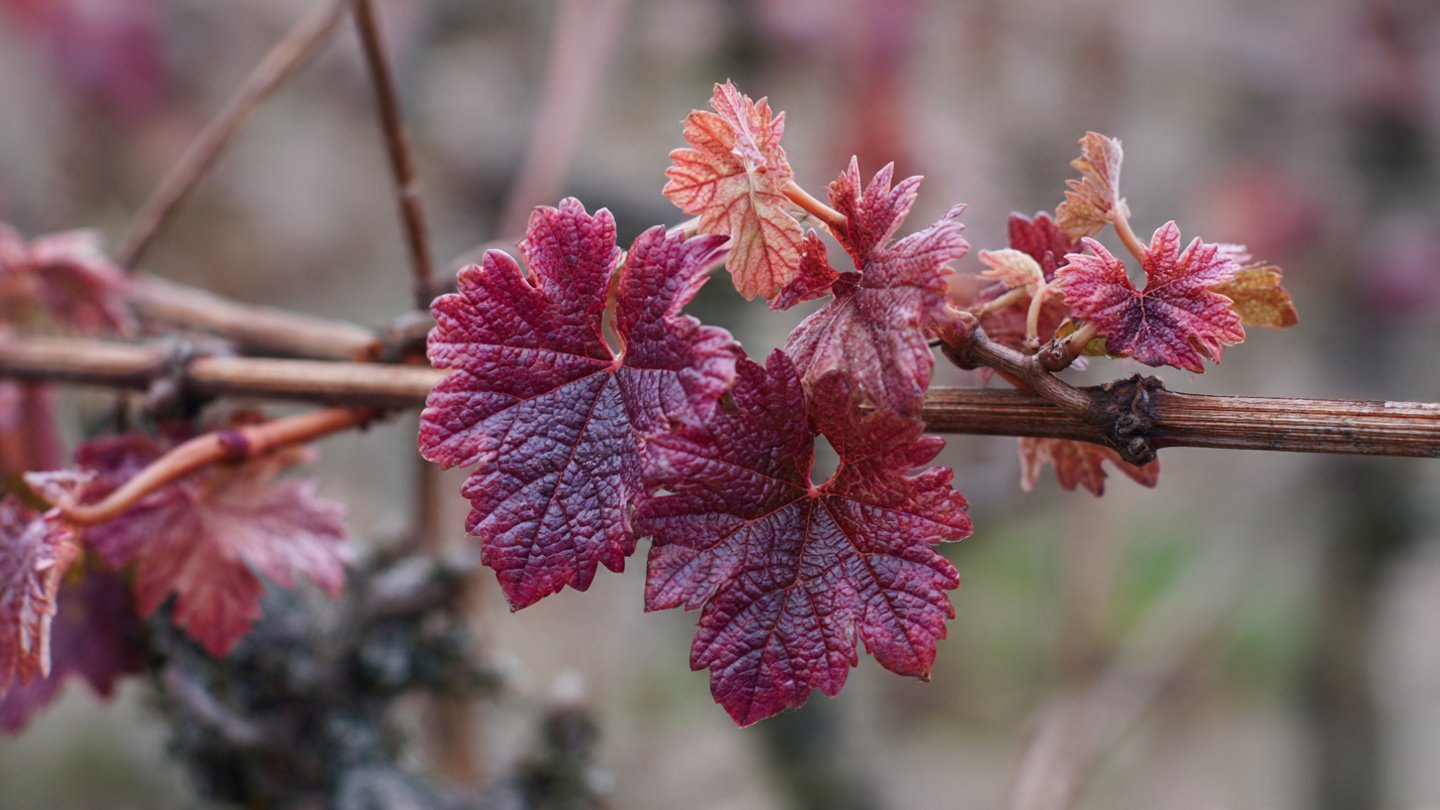
Pruning grapevines in winter is an essential horticultural practice that significantly influences their overall health, productivity, and quality of grapes produced. While many gardeners may feel hesitant about cutting back their plants during the cold months, understanding the reasons behind winter pruning reveals its critical role in grapevine management.
To begin with, winter pruning provides a chance for vine rejuvenation. Grapevines are perennial plants that go through seasonal cycles, and pruning during their dormant phase allows growers to shape and control the growth of the vine for the coming season. By removing old and ineffective wood, the plant can focus its energy on producing new growth. This targeted energy allocation results in stronger canes and ultimately contributes to higher quality grapes.
Another fundamental reason for winter pruning lies in the management of vine size and shape. Grapevines can become tangled and overgrown if left unchecked. Pruning helps maintain an optimal structure, promoting better air circulation and sunlight penetration. These factors are vital in preventing diseases and encouraging even ripening of the grapes. A well-shaped vine not only looks aesthetically pleasing but also allows for more efficient use of space in the vineyard.
Moreover, pruning effectively manages the vine’s fruit load. Grapevines tend to produce more clusters than they can support, especially in their early years or if left unpruned. By selectively cutting away some canes, growers can ensure that the vine does not expend energy on producing fruit that it cannot ripen adequately. This selective pruning encourages the development of fewer but more robust grape clusters, improving both quality and flavor.
Winter pruning also has implications for the vine’s long-term vigor. As vines age, they can become less productive if not managed correctly. Old, woody canes should be removed to allow fresh shoots to take their place. Younger shoots are more fruitful, leading to enhanced yields. Additionally, pruning reduces the potential for pests and diseases that can arise from overcrowded growth. Thick vegetation can harbor spores and pests, leading to issues that might compromise the vine’s future health.
It is essential to consider the specific grape variety when planning a winter pruning regimen. Different grape varieties respond differently to pruning techniques, and understanding these nuances is key to achieving optimum results. For instance, some varieties might require more substantial pruning to produce high-quality fruit, while others may thrive on lighter pruning. Consulting regional viticulture guidelines can provide valuable insights for specific varieties.
Another crucial aspect to consider is timing. The ideal window for winter pruning generally spans from late winter to early spring, typically before bud break. Pruning too early can expose the cuts to frost damage, while pruning too late might inhibit vine growth. Understanding local climate conditions is key in determining the best timing for your specific situation.
While winter pruning holds many benefits, there are also techniques to follow for effective implementation. Thinning out excessive canes, cutting back long shoots, and making clean cuts at the node are all vital in the pruning process. Utilizing proper tools, such as sharp pruning shears and loppers, can ensure clean cuts, which promotes faster healing and reduces the risk of disease.
In addition to pruning, applying dormant oil sprays in conjunction with winter pruning can help control pests and diseases that may overwinter on grapevines. This dual approach can greatly improve vine health and enhance the overall growing conditions for the upcoming season.
Growers must also bear in mind that pruning can influence the vine’s phenology—the timing of the vine’s growth stages. Adjusting the vine’s canopy through pruning can have a cascading effect on the timing of flowering and fruit set. This is particularly important in regions with limited growing seasons, where maximizing sunlight and warmth is critical to producing ripe, high-quality grapes.
It’s also important to note that each cut made during pruning should have a purpose. Effective pruning is both an art and a science, allowing growers to make strategic decisions about which shoots to keep and which to remove. Clean cuts and proper technique can help reduce sap loss and minimize stress on the vine.
For new growers, it might seem daunting to tackle winter pruning, but understanding the long-term benefits can help demystify the process. Engaging in hands-on learning by observing experienced grape growers can provide invaluable insight into effective pruning techniques. Participating in local workshops on grapevine management can also enrich one’s understanding of the nuances involved in winter pruning.
Beyond the technical aspects, the practice of winter pruning also offers an opportunity for connection with the land. Engaging in seasonal tasks such as pruning fosters a deeper understanding of plant cycles and can even encourage mindfulness. As growers participate in this transformative process, they gain a heightened appreciation for the intricate relationships within their vineyard ecosystem.
A well-pruned grapevine can more effectively allocate water and nutrients, which contributes to healthier roots and better fruit quality. This holistic perspective on vineyard management emphasizes how every action taken contributes to the broader system of growth. Fostering healthy vines through winter pruning is, therefore, an investment in both the current production cycle and the long-term viability of the vineyard.
Sustainability is another consideration as growers move forward in their vineyard practices. Pruning during winter can reduce the need for excessive pest control measures and irrigation since healthy vines are more resilient. This practice emphasizes a preventative approach rather than a reactive one, aligning with sustainable agriculture practices aimed at reducing dependency on chemical inputs.
Grapevine pruning is often referred to as “vineyard management,” encapsulating the practice’s significance within the broader context of agriculture. It acts as a critical management tool that directly impacts both yield and quality. Understanding the interplay between vine structure, health, and fruit production underpins the philosophy that every decision made within the vineyard has implications for both the grower and the environment.
Ultimately, the benefits of winter pruning extend beyond the individual grower. Wine enthusiasts and consumers alike reap the rewards of well-managed vines, enjoying better quality grapes that translate into superior wines. The care and attention that go into winter pruning reflect in the flavors and aromas that make wines unique—embodying the essence of the vineyard’s terroir.
In summary, winter pruning of grapevines is not just a routine chore; it is a purposeful practice that fosters growth, enhances productivity, and elevates grape quality. As growers carve away the old, they open the door for new life and vitality within their vineyards. From improved air circulation to promoting robust fruit production, the reasons for winter pruning are multifaceted, underscoring its importance in viticulture. Embracing this practice embodies a deeper connection to the cyclical nature of agriculture, leading to a healthier and more fruitful growing experience. By nurturing the vineyards this winter, growers are not merely preparing for the upcoming season but also cultivating a lasting legacy of winemaking excellence.